





 Saturday, 19-09-26








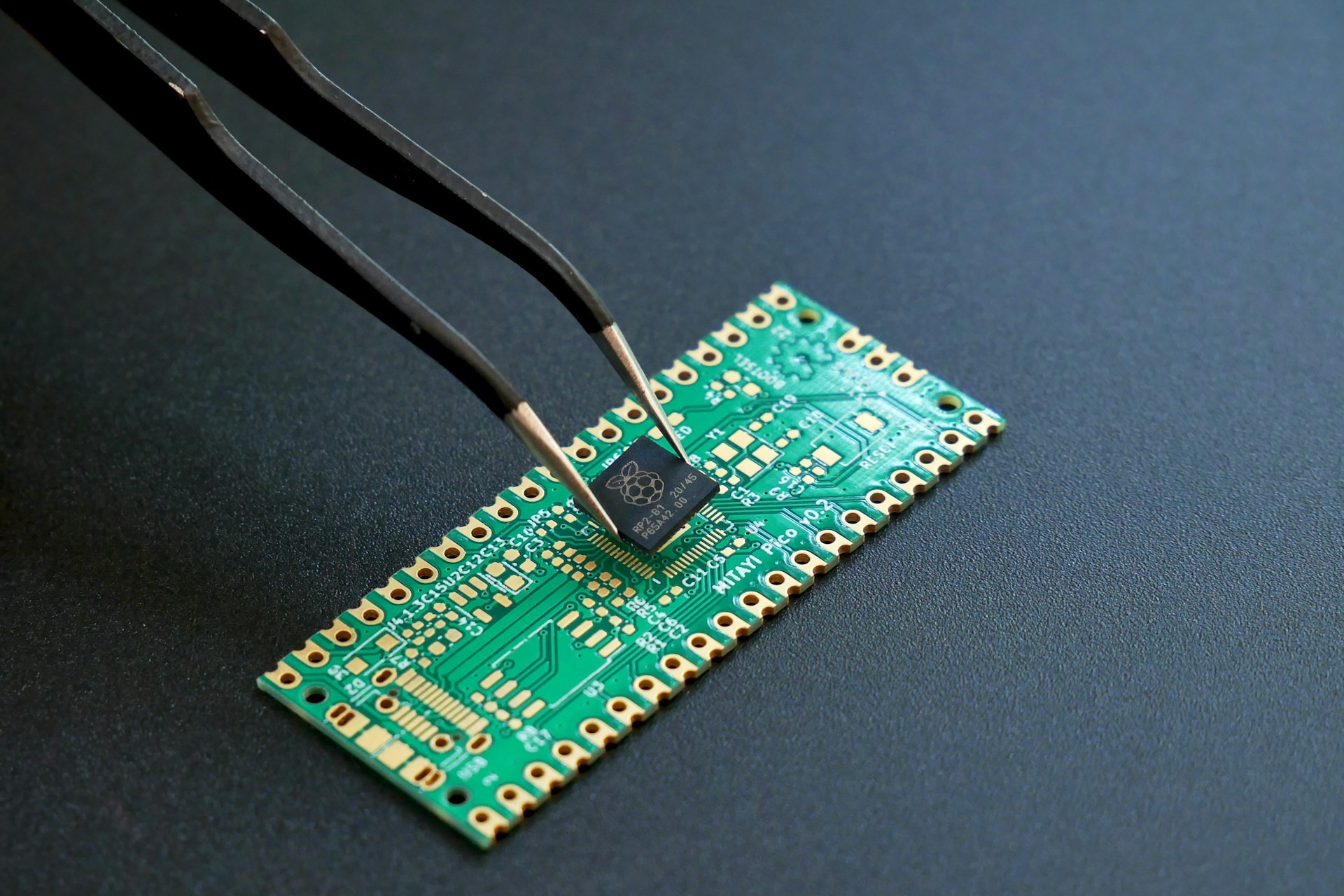
The Indonesian government is preparing steps to move the national technology industry beyond assembly and into high-value semiconductor production (27/01).
The Ministry of Communication and Digital Affairs (Komdigi) aims to expand economic opportunities through involvement in the global semiconductor supply chain.
Entering the Global Semiconductor Supply Chain
Deputy Minister Nezar Patria highlighted the urgency of joining the international semiconductor market.
“We enter first into the global supply chain. In strategic components, we must be present. From there, Indonesia’s bargaining power will grow,” he said during a meeting with PT Sat Nusapersada Tbk in Jakarta.
The government is focused on ensuring that Indonesia not only assembles devices but also participates in higher-value segments of the semiconductor industry.
Leveraging Natural Resources and Market Opportunities
Indonesia has significant silica sand reserves, the raw material for silicon wafers, which are essential for semiconductor production.
Wamen Patria noted that the rapid growth of artificial intelligence has increased demand for silicon wafers. “Demand for silicon wafers is very high because the AI industry is growing rapidly. This is a rare momentum and must be utilized,” he said.
Indonesia’s neutral position in global geopolitical tensions also allows the country to work with partners from various nations while ensuring technology transfer.
“What we pursue is technology transfer. If it’s only labor, the long-term impact is small,” Patria added.
Strengthening Domestic Semiconductor Capabilities
Komdigi enforces the Domestic Component Level (TKDN) policy, requiring mobile phones, laptops, and tablets to include at least 35 percent local content.
This policy supports the growth of domestic supply chains and strengthens the national technology industry.
Minister of Industry Agus Gumiwang Kartasasmita emphasized semiconductors as a foundation for national industrial transformation.
He said, “Indonesia has a very large domestic market for semiconductor-based products, from phones and laptops to motor vehicles and electric vehicles. Developing a national semiconductor ecosystem is a strategic step to reduce import dependence and strengthen national industrial competitiveness”.
Developing Human Capital and Industry Collaboration
Indonesia already has semiconductor assembly and testing facilities in Batam and integrated circuit (IC) design companies. However, Menperin noted the national semiconductor ecosystem still needs strengthening in human resources, research, innovation, and integration into the global supply chain.
The Ministry of Industry is advancing a program to develop chip design capabilities aligned with industrial needs and global market demand.
This program is included in the medium-term external financing plan, Blue Book 2025–2029, with a financing value of USD 16.185 million.
The Asian Development Bank (ADB) has expressed support for Indonesia’s efforts, assisting with readiness criteria, feasibility studies, and ensuring projects meet Green Book standards before financing.
Menperin stated, “We hope cooperation with ADB can accelerate the realization of a strong, competitive, and globally integrated national semiconductor ecosystem, while opening new investment opportunities in high-tech industries.”
PHOTO: UNSPLASH
This article was created with AI assistance.
We make every effort to ensure the accuracy of our content, some information may be incorrect or outdated. Please let us know of any corrections at [email protected].
Read More