





 Thursday, 17-09-26








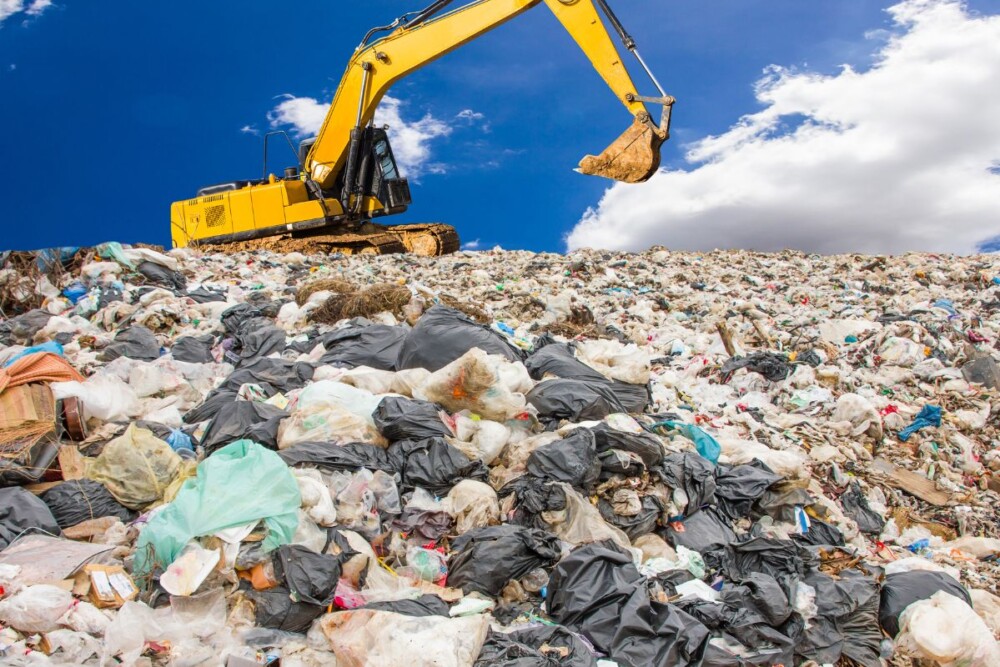
Indonesia faces a mounting waste problem, driven by rapid urbanization, population growth, and increasing consumption. Daily municipal waste in major cities can exceed thousands of tons, overwhelming existing disposal infrastructure and contributing to environmental degradation through open dumping and landfill overcapacity. To tackle this challenge, waste to energy Indonesia initiatives have emerged as a cornerstone of the government’s strategy to reconcile sustainable urban waste management with renewable energy generation and economic development. This article explores the scope, benefits, challenges, and outlook of waste-to-energy deployment in Indonesia, grounded in government plans and broader policy context.
The Waste Challenge and Policy Response
Indonesia’s waste management dilemma is significant. A large share of municipal waste is not effectively treated, with a considerable amount ending up in unmanaged landfills or open dumps, contributing to air, soil, and water pollution as well as greenhouse gas emissions. According to government data, Indonesia generated tens of millions of tons of waste annually, yet existing waste processing only managed a fraction of it effectively. This imbalance underscores an urgent need for systematic, scalable solutions.
In response, the Indonesian government has launched an ambitious plan to expand waste to energy Indonesia projects nationwide. Under this initiative, waste is treated using technology that converts solid urban waste into electricity, heat, or alternative fuels through processes such as combustion, gasification, or thermal treatment. These waste-to-energy facilities, locally known as PSEL (Pengolahan Sampah Menjadi Energi Listrik, are envisioned not only to mitigate environmental burdens but also to contribute to renewable energy capacity.
A major component of this strategy is Presidential Regulation No. 109 of 2025, which formalizes the regulatory framework for environmentally friendly waste management technologies and enables streamlined revenue mechanisms for waste-to-energy projects. This policy framework seeks to catalyze private investment and integrate waste-to-energy into the national energy mix.
National Targets and Project Scale
The government’s target for waste to energy Indonesia is ambitious. Plans include constructing over 30 waste-to-energy plants across the country starting in 2026, with early activity already underway. These facilities are prioritized in districts and cities where daily waste generation exceeds 1,000 tons, signaling both urgency and scale.
Public statements from state officials indicate that groundwork and construction for waste-to-energy facilities are set to begin early in 2026 as part of a broader downstreaming strategy. These projects are among 18 strategic infrastructure initiatives slated for early 2026 implementation, with total investment figures reaching hundreds of trillions of Indonesian Rupiah.
In addition, the sovereign wealth fund Danantara Indonesia has been positioned to lead and coordinate these projects, signaling strong institutional support and investor confidence. Investment estimates for waste-to-energy infrastructure span tens of billions of dollars, with each plant designed to manage about 1,000 tons of waste per day.
Regional governments are also preparing to implement waste-to-energy facilities, for example in North Sumatra where groundwork for a plant in Medan and Deli Serdang is expected to start in 2026. This project aims to convert substantial daily waste volumes into energy for local grids and contribute to broader waste reduction goals.
Environmental and Health Benefits
The environmental promise of waste to energy Indonesia lies in its potential to significantly reduce the burden on landfills and open dumping sites, cutting methane emissions from decomposing waste — a greenhouse gas far more potent than CO₂. By diverting waste from landfills and generating energy from what would otherwise contribute to environmental harm, waste-to-energy plants support Indonesia’s climate objectives and urban environmental quality.
In densely populated cities, these facilities can reduce landfill expansion, lower the risk of soil and water contamination, and decrease air pollution from uncontrolled burning. Combined with waste reduction, recycling, and 3R (reduce, reuse, recycle) efforts at community levels, waste-to-energy plants form part of an integrated approach to urban sustainability.
Moreover, converting waste into energy can reduce dependence on fossil fuel-based power generation, aligning with national renewable energy targets. This integrated energy planning supports cleaner electricity grids and enhances energy security in a rapidly modernizing economy.
Economic Impacts and Investment Attraction
Implementing waste to energy Indonesia projects also carries significant economic implications. Investment estimates for the national waste-to-energy rollout exceed USD 5 billion, reflecting both infrastructure scale and economic opportunity. These projects are not only infrastructure investments; they also represent opportunities for local job creation, technological innovation, and private sector engagement in waste management solutions.
Investor interest has been robust. Reports indicate that hundreds of domestic and international companies have expressed intent to participate in tenders for waste-to-energy facilities, illustrating confidence in both the project structure and long-term viability of the sector.
By driving investment into sustainable infrastructure, Indonesia positions itself as a potential leader in waste conversion technologies in Southeast Asia. Success in waste-to-energy deployment could also stimulate innovation in renewable energy and circular economy practices, further catalyzing economic growth and green jobs.
Social Acceptance and Public Engagement
Although the environmental and economic benefits of waste to energy Indonesia are significant, social acceptance and public engagement remain critical. Some civil society organizations have raised concerns about the potential environmental impacts of large-scale waste-to-energy facilities, particularly regarding emissions, public health, and the risk of prioritizing centralized technology over grassroots waste reduction strategies. Critics emphasize the importance of waste minimization at the source and community-level recycling systems as complementary or even preferable solutions.
Meaningful community consultation and transparent impact assessment processes are essential to build public trust and avoid resistance. Furthermore, integrating education campaigns about waste segregation, recycling, and responsible consumption can amplify the effectiveness of waste-to-energy infrastructure while minimizing adverse social impacts.
Integration With Broader Waste Management Systems
For waste to energy Indonesia to deliver sustainable outcomes, it must be part of a comprehensive waste management strategy. This strategy includes reducing waste generation, enhancing recycling programs, and modernizing landfill operations. Integrating waste-to-energy facilities with material recovery facilities and 3R programs will ensure that only non-recyclable waste is processed for energy, optimizing system efficiency and environmental performance.
Modern waste management systems are increasingly built around circular economy principles, ensuring that waste is prevented at the source, diverted to reuse and recycling streams first, and then only residual waste is treated through conversion technologies like waste-to-energy. This hierarchy maximizes resource efficiency and minimizes environmental footprints.
Challenges and Considerations for Implementation
Despite its potential, the large-scale deployment of waste to energy Indonesia faces several challenges. These include the need for skilled technical expertise, robust regulatory frameworks, and sufficient financing mechanisms that balance risk and reward for investors. Ensuring consistent waste supply, managing facility emissions, and integrating energy outputs with existing power grids are operational hurdles that must be addressed systematically.
Regulatory clarity and supportive fiscal policies, including feed-in tariffs or guarantees for power off-take agreements, can enhance investment attractiveness and long-term project stability. Innovative financing models such as public-private partnerships can also help mitigate risk and spread project costs.
Increasing public awareness about the environmental benefits and safety measures of waste-to-energy facilities is another important dimension. Addressing community concerns about emissions, noise, and traffic through transparent communication and environmental monitoring can foster social license to operate.
Future Outlook
Looking ahead, waste to energy Indonesia projects hold promise as a vital component of national sustainability and energy agendas. With construction already planned for dozens of facilities in 2026 and beyond, Indonesia is at a critical juncture in transforming its waste management paradigm. By aligning technological solutions with environmental stewardship, economic opportunity, and social inclusion, waste-to-energy initiatives can contribute significantly to cleaner cities, renewable energy growth, and robust sustainable development.
The integration of policy support, private investment, community engagement, and complementary waste reduction programs will determine the degree to which these projects achieve their full potential. As the nation embarks on this transition, continuous evaluation and adaptive management will be key to ensuring that waste-to-energy becomes a long-lasting success story in Indonesia’s sustainability journey.
Read More