





 Tuesday, 22-09-26








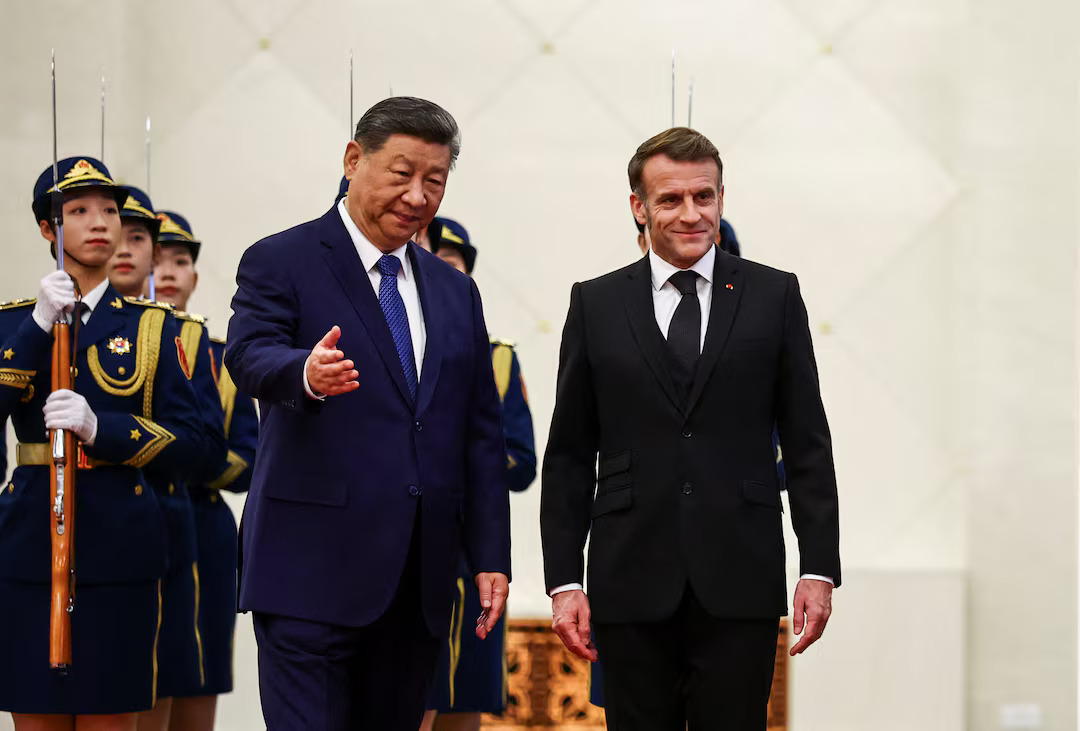
The world’s attention has once again turned to Beijing, where French President Emmanuel Macron and Chinese President Xi Jinping held a critical summit in early December 2025. This high stakes meeting referred to here as the “Macron Xi Meeting” carries profound implications not only for bilateral France China relations, but also for broader European Union trade balances, international diplomacy, and the increasingly volatile Taiwan issue. As global economic and geopolitical pressures grow, how do the outcomes of this meeting shape the future of trade, diplomacy, and regional stability?
What Led to the Macron Xi Meeting
The Macron Xi Meeting comes at a moment of heightened tensions and shifting alliances worldwide. According to official announcements, Macron’s visit to China from December 3 to 5 marks his fourth state visit to the country, reciprocating the state visit Xi Jinping made to France last year.
The agenda is ambitious and deliberately broad. France seeks to address deep trade imbalances with China, revive cooperation in key sectors, and appeal to Beijing’s influence on major global issues including conflicts and strategic security.
At the same time, the EU’s mounting discomfort with China’s trade practices particularly in sectors like electric vehicles and rare earth industries sets the backdrop for discussions.
Thus the meeting represents both risk and opportunity: a chance for reconciliation and cooperation, but also a test of whether Europe can negotiate on equal footing with a rising global power that holds leverage in multiple domains.
Key Issues on the Table
Trade Relations and Economic Balance
One of the central motivations behind the Macron Xi Meeting is to rebalance trade relations between France and by extension the EU and China. Over recent years, the trade deficit in some sectors and growing economic tensions have caused concern in Brussels and Paris.
France hopes to secure fair and reciprocal market access. The delegation accompanying Macron includes prominent business leaders and representatives from various industries a signal that economic cooperation and investment are key priorities.
France also aims to attract Chinese investment into strategic sectors such as aviation, food industry, technology, and manufacturing. This is seen as a way to strengthen the European supply chain and offset trade imbalances that have disadvantaged European exporters.
Geopolitical Tensions: Taiwan, Security, and Diplomacy
Beyond trade, the meeting addresses delicate geopolitical issues most notably the status of Taiwan. During the summit, Taiwan has emerged as a key topic, reflecting the growing geopolitical spotlight on East Asia.
Beijing has pressed for stronger international understanding of its position on Taiwan, particularly in light of recent regional tensions involving neighbouring countries.
For France, and potentially the EU, the meeting offers an opportunity to balance diplomatic principles with practical interests: maintaining trade dialogues with China while navigating alliances, security, and global commitments such as its role in upcoming leadership of the Group of Seven in 2026.
Global Crises: Ukraine, International Security, and Strategic Balancing
The timing of the Macron Xi Meeting coincides with ongoing global crises, including the war in Ukraine. France seeks China’s potential influence to help steer Russia toward ceasefire negotiations or at least reduction in hostilities.
In addition, the visit signals Europe’s intention to maintain strategic autonomy avoiding becoming too dependent on either U.S. or China by engaging directly with Beijing while safeguarding EU interests.
For Beijing, the meeting presents a chance to reassert its global influence and strengthen ties with major Western powers at a time when China is simultaneously expanding trade and diplomatic outreach.
Potential Outcomes and What They Mean
Balanced Trade Agreements and Improved Market Access
If successful, Macron Xi Meeting could lead to bilateral agreements that ease trade tensions, open markets for French exports, and attract Chinese investment in strategic French and European industries. This might help reduce deficits and restore competitiveness for European companies.
Furthermore, increased cooperation in sectors such as aviation, energy, food, and manufacturing could lead to long term industrial synergies benefiting both sides.
Diplomatic Stability and Strategic Cooperation
By engaging directly with China on issues like Taiwan and global security, France may contribute to a more stable diplomatic environment. Constructive dialogue might reduce the risk of miscalculations, especially amid rising tensions in East Asia.
Cooperation on global security issues, including Ukraine, could present an opportunity for France and EU to assert influence and advocate for peaceful resolutions through diplomacy rather than confrontation.
Challenges And Risks Remain
However, the potential for tangible breakthroughs remains uncertain. China may hesitate to make major concessions particularly on trade imbalances or contentious issues like Taiwan or tariffs if doing so undermines its leverage.
Moreover, the EU as a bloc remains divided on how to approach China. While some countries support engagement, others push for stricter trade policies, especially regarding Chinese industrial subsidies and exports. This divergence could limit the impact of any agreements made during the Macron Xi Meeting.
Finally, implementing agreements even if reached will require sustained commitment, transparency, and trust. Political fluctuations, global economic uncertainty, or external pressure from other powers may derail long term cooperation.
What to Watch Next
In the coming weeks and months, several indicators will reflect whether the Macron Xi Meeting produces lasting effects. Key areas to monitor:
- Whether bilateral agreements are formally signed and implemented, especially in trade, investment, and industrial cooperation.
- Changes to EU trade policies or reciprocal agreements prompted by improved France China relations.
- Reactions from other EU member states will they follow France’s lead or diverge in approach?
- Diplomatic developments around Taiwan whether increased dialogue leads to de escalation or further tensions.
- China’s response and follow through on commitments toward trade openness, market access, and diplomatic cooperation on global security issues.
Conclusion
The 2025 Macron Xi Meeting in Beijing is a defining moment in international diplomacy and global trade. As France and China engage in a complex balancing act of economic interests, geopolitical realities, and global responsibilities, the outcomes of this summit could shape not just bilateral relations, but also the trajectory of Europe China engagement and the broader architecture of global diplomacy.
While the potential for economic cooperation, mutual investment, and strategic dialogue is significant, realizing these opportunities requires careful negotiation, trust, and willingness to compromise. The world is watching, and the stakes could not be higher.
Read More