





 Tuesday, 22-09-26








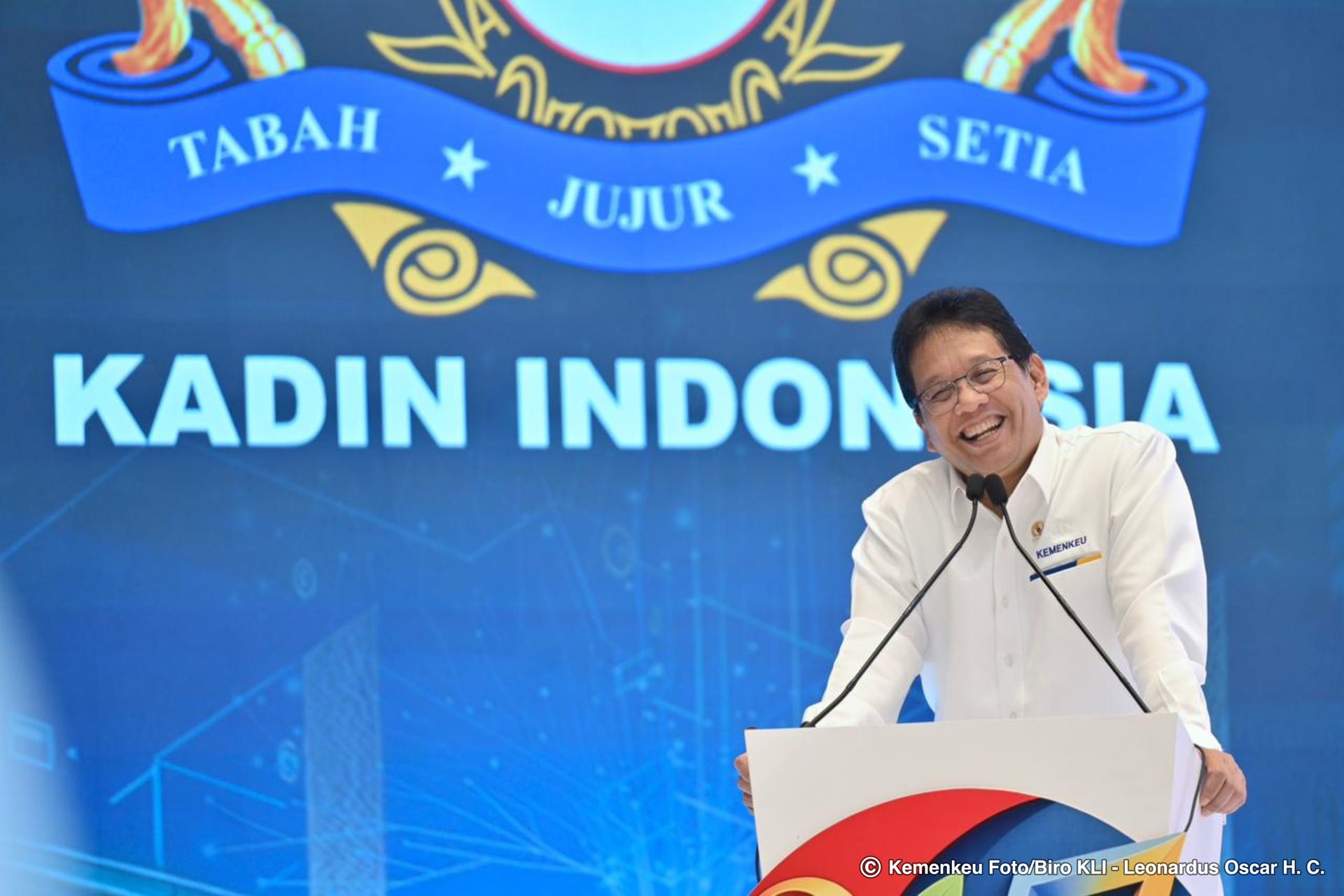
Indonesia is intensifying investment reform as the government rolls out a Debottlenecking Task Force to remove barriers slowing economic activity, Finance Minister Purbaya Yudhi Sadewa said during the 2025 Kadin National Leadership Meeting in Jakarta (01/12).
He stated that faster economic growth cannot be achieved without strengthening the national investment climate.
Minister Highlights Regional Competitiveness Challenges
Purbaya emphasized that Indonesia’s competitiveness still falls behind Vietnam, Thailand, Singapore, and Malaysia.
He pointed to Nvidia’s choice of Johor as an investment location as a clear sign that Indonesia must improve its environment for investors.
Task Force to Address Real Barriers Reported by Businesses
The government created the Debottlenecking Task Force as a formal platform where business players can report obstacles they face in the field.
These issues will be reviewed through regular debottlenecking hearings.
“In that forum, ladies and gentlemen, business players, if there are obstacles in your business, you can report them, and we will hold a hearing. I have decided to allocate a full day to lead the debottlenecking session,” he said.
Field-Based Policy Approach Backed by Past Experience
The minister expressed confidence that a field-based approach will accelerate investment ecosystem improvements.
This approach is supported by the government’s experience resolving 193 debottlenecking cases worth Rp894 trillion during 2016–2019.
“Going forward, we will fix that, so the business climate will be improved gradually, directly from the field, and from there, we will fix the regulations. Not from regulations to the field, but from the field to the regulations,” he explained.
Government Focuses on Domestic Market Protection and Growth Targets
Beyond bureaucratic reform, the government aims to prevent domestic markets from being dominated by illegally imported goods.
Stricter border controls on illegal secondhand products are intended to protect and support local industries.
The minister added that stronger domestic demand, fiscal–monetary collaboration, and investment climate improvements are essential for Indonesia to achieve 6% growth starting next year and move toward 8% within the next four to five years.
“So, reaching 8% is difficult, but not impossible if we move gradually. Improve fiscal policy, the financial sector, and the investment climate,” he said.
PHOTO: MINISTRY OF FINANCE
This article was created with AI assistance.
Read More