


 Tuesday, 17-11-26


In an unprecedented turn of events in modern Indonesian politics, Gibran Rakabuming Raka recently announced his resignation from the position of Vice President of the Republic of Indonesia. The news, naturally, sent ripples through the nation, sparking intense speculation regarding the potential fallout across various sectors, most notably the economy and the capital markets. In the immediate aftermath, prominent figures from the business and political spheres have stepped forward to offer their perspectives and guidance. Among the most closely watched reactions was that of Sandiaga Uno. The Sandiaga Uno Gibran resignation commentary has provided a crucial anchor for investors trying to navigate the sudden political shift, emphasizing the need for stability, strategic focus, and a long-term view of the Indonesian economic landscape.
This comprehensive analysis delves into the economic implications of this political development, focusing closely on the insights shared by Sandiaga Uno. We will explore how the stock market reacted, what this means for companies preparing for Initial Public Offerings (IPOs), and the broader lessons for both domestic and international investors looking at the Indonesian market during times of political transition.
The Immediate Market Reaction: A Surprising Rally?
When a high-ranking government official, especially the Vice President, steps down, conventional wisdom often predicts market volatility, capital flight, and a general sense of panic among investors. The uncertainty surrounding leadership changes usually breeds caution, leading to sell-offs in equity markets and pressure on the national currency. However, the Indonesian market's response to Gibran’s resignation was surprisingly resilient, even experiencing a brief rally.
Following the submission of his resignation letter to the People's Consultative Assembly (MPR), the Jakarta Composite Index (IHSG) actually saw a significant jump of 2.2% during the first trading session. This counterintuitive movement is what prompted the Sandiaga Uno Gibran resignation analysis. While a political shock often triggers a sell-off, it seems the market had either already priced in the possibility or viewed the transition mechanism as robust enough to prevent widespread instability.
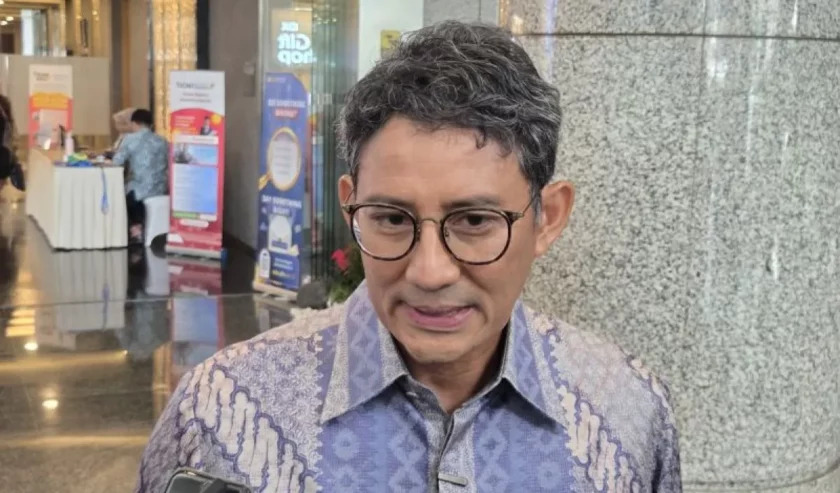
Sandiaga Uno, speaking to reporters at the Indonesia Stock Exchange (BEI) building, acknowledged this dynamic. He pointed out that while political pressure undeniably influences the stock market, the immediate reaction suggested a market that was seeking clarity and perhaps anticipating a swift resolution to the political uncertainty. He noted that the political dynamics are something investors must watch closely, but he also highlighted that knee-jerk reactions are often detrimental to long-term portfolio performance. Drawing from his own extensive experience, Sandiaga candidly remarked, "I've been in politics for 12 years, and it's been very bad for my stock portfolio," underscoring the often-irrational relationship between political events and market valuations.
Implications for the IPO Pipeline: A Time for Internal Focus
One of the most critical areas of concern following the resignation was the impact on companies preparing to go public. The BEI currently has a robust pipeline of companies waiting to launch their IPOs. A sudden political shift could potentially derail these plans, as companies might choose to delay their listings until the political dust settles, fearing a lack of investor appetite in an uncertain environment.
The Sandiaga Uno Gibran resignation perspective on this issue was particularly insightful. Sandiaga, recognizing the potential anxiety among these prospective issuers, offered a pragmatic piece of advice. He suggested that instead of viewing the political situation as a roadblock, companies should see it as an opportunity to turn inward.
He articulated a clear strategy: "We hope they can better take this opportunity to fix their financial reports, fix their target markets, and improve their operational performance." This advice is deeply practical. By focusing on strengthening their fundamentals, refining their business models, and ensuring their financial houses are in order, these companies can position themselves more attractively when they eventually do go public, regardless of the prevailing political climate. Sandiaga’s emphasis on "market conduciveness" as a primary consideration for IPOs highlights that while politics matter, ultimately, solid business fundamentals and a favorable market environment are what drive successful listings. He expressed hope that the investments flowing into Indonesia and the ongoing IPO processes would continue as planned, albeit perhaps with a more cautious and prepared approach from the issuers.
The Importance of Maintaining Stability
A recurring theme in the Sandiaga Uno Gibran resignation commentary is the absolute necessity of maintaining stability. For a developing economy like Indonesia, consistent economic growth relies heavily on both domestic consumption and foreign direct investment (FDI). Both of these engines require a stable political environment to function effectively.
Sandiaga emphasized the importance of safeguarding stability during the political decision-making process that will follow the resignation. The mechanism for selecting a replacement Vice President will be closely scrutinized by the international community and global investors. Sandiaga expressed confidence that the established constitutional mechanisms would proceed smoothly, always taking into account the broader impact on the national condition.
The government’s message to investors has been consistent: do not panic. The underlying message is that Indonesia’s economic fundamentals remain strong, and the political transition, while significant, should not be viewed as an existential threat to the economy. The focus remains on ensuring that the political dynamics do not overshadow the ongoing efforts to attract investment, develop infrastructure, and foster economic growth. The resilience of the Rupiah, which hovered around the Rp18,200 level despite the news and other external pressures like the MSCI index rebalancing, further suggests that the market is adopting a "wait and see" approach rather than reacting with panic.
Broad Economic Indicators to Watch
While the immediate market reaction was somewhat positive, the long-term economic impact of the resignation will depend on how several key indicators perform in the coming months. Investors and analysts will be closely monitoring the following:
- Foreign Direct Investment (FDI): Will foreign investors view the political transition as a sign of instability and delay their investment plans, or will they be reassured by the orderly process? The government's ability to communicate stability and continuity will be crucial here.
- Consumer Confidence: Political uncertainty can sometimes lead to decreased consumer spending as people become more cautious about the future. A significant drop in consumer confidence could impact retail and consumer goods sectors.
- Currency Value: The stability of the Rupiah against the US Dollar is a key indicator of investor confidence. While it has remained relatively stable in the immediate aftermath, sustained political uncertainty could put pressure on the currency.
- Government Policy Continuity: Investors will be looking for reassurances that key economic policies and infrastructure projects will continue without interruption, regardless of the changes in the executive branch.
The Sandiaga Uno Gibran resignation analysis correctly points out that while the political noise is loud, the underlying economic melody must remain steady. The focus for both the government and the private sector must be on maintaining operational excellence and strategic focus.
Navigating the Transition
The resignation of Vice President Gibran Rakabuming Raka represents a significant moment in Indonesian political history, but its economic impact, as highlighted by Sandiaga Uno, need not be catastrophic. The initial market resilience suggests a maturity in the Indonesian capital markets, an ability to separate political drama from economic fundamentals.
The key takeaway from the Sandiaga Uno Gibran resignation commentary is the need for a pragmatic, long-term approach. For investors, this means avoiding knee-jerk reactions based on political headlines and instead focusing on the fundamental strength of the companies in their portfolios. For companies planning IPOs, it’s a call to use this period of potential uncertainty to strengthen their internal operations and financial reporting.
Ultimately, Indonesia’s economic trajectory will be determined by its ability to manage this political transition smoothly, maintain a conducive environment for investment, and continue its focus on sustainable economic development. While the political landscape has shifted, the economic imperatives remain the same: stability, growth, and resilience.
Read More