


 Tuesday, 17-11-26


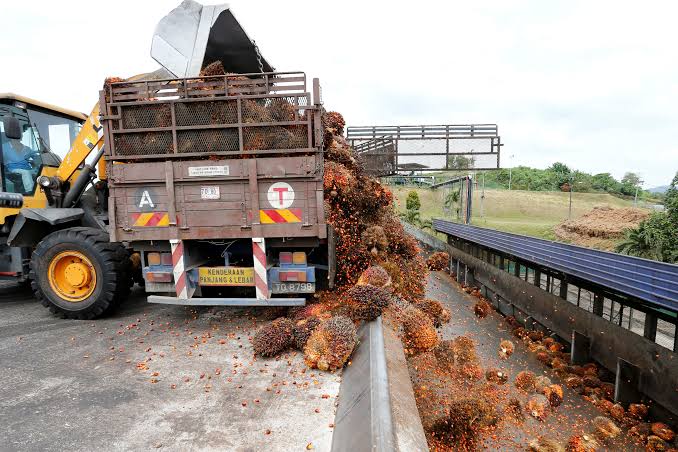
The global vegetable oil market consistently relies on Southeast Asia for supply, and recent data from the Indonesian government reveals striking financial developments. The country has implemented strategic measures to secure domestic supply while maximizing revenue from international markets. A primary mechanism for this balance is the palm oil export duty, which has recently driven a remarkable spike in government collections. According to the Finance Ministry, the total customs and excise receipts have reached impressive levels by the end of October. This revenue surge highlights the undeniable importance of this golden commodity to the national budget. By adjusting tax brackets in response to global reference prices, the government not only secures funding for state projects but also regulates domestic availability. This comprehensive analysis will explore the specific data behind these policies, the mechanics of the pricing structure, and the broader economic implications for international trade.
The Financial Impact Of The Palm Oil Export Duty
When evaluating the state budget, customs and excise collections serve as a critical indicator of economic health. By late October, the Finance Ministry reported that total customs and excise revenue reached 267.2 trillion Indonesian Rupiah, which translates to approximately 14.6 billion United States Dollars. Within this substantial figure, the palm oil export duty played a starring role. Export duties constituted 12.9 percent of the total customs and excise revenue. This double digit hike in duty receipts demonstrates the sheer scale of international demand and the effectiveness of the current tax brackets. Exporters are required to pay a tax on shipments of crude palm oil and its derivatives. The overarching goal of this tax is to ensure that adequate supplies remain available for domestic consumption, preventing local shortages and stabilizing domestic cooking oil prices. However, the resulting financial windfall for the state treasury is a massive supplementary benefit. As international demand remains inelastic, buyers continue to purchase these shipments despite the increased tax burden, resulting in a significant revenue injection for the government. The strategic calibration of the palm oil export duty allows the government to capitalize on global price rallies without entirely alienating international buyers.
Analyzing The Crude Palm Oil Reference Price Dynamics
To understand the recent surge in revenue, one must look at the pricing mechanisms established by the Trade Ministry and the Finance Ministry. Indonesia calculates its export taxes based on a monthly crude palm oil reference price. This reference price is derived from an average of market quotations from major commodity exchanges in Indonesia, Malaysia, and Rotterdam. For the month of October, the reference price surged to 1,042.15 United States Dollars per metric ton. Because the tax system operates on a progressive bracket structure, this higher reference price pushed the palm oil export duty into a higher tier. Consequently, the duty escalated to 178 United States Dollars per metric ton. In addition to the standard duty, exporters are also subject to an export levy, which is collected by the estate crop fund agency to finance replanting programs and biodiesel subsidies. The levy was set at 12.5 percent of the reference price, equating to approximately 130.27 United States Dollars per metric ton. When combined, the total financial charge on a single metric ton of crude palm oil leaving Indonesian ports reached roughly 308 United States Dollars. This represents nearly 30 percent of the reference price itself. Such a substantial tax burden directly impacts the landed cost of cooking oil, oleochemicals, and processed foods in primary export destinations like India, China, and the European Union. Despite these heavy costs, the essential nature of the product keeps shipment volumes flowing and the treasury expanding.
How Export Volumes Influence The National Trade Surplus
Revenue generation is only one facet of the economic equation; overall export volumes play a pivotal role in maintaining the national trade surplus. According to the national statistics agency, the total value of palm oil shipments between January and September reached a staggering 21.07 billion United States Dollars. This figure represents a 16.14 percent increase compared to the same period in the previous year. In terms of physical volume, exporters shipped at least 19 million tons of the commodity during these nine months. These robust export figures have acted as a vital anchor for the broader economy. While the country has faced a shrinking overall trade surplus in recent months, the relentless performance of the agricultural sector has kept the national trade balance firmly in positive territory. As of September, the positive trade balance stood at 3.36 billion United States Dollars. The steady outflow of 19 million tons proves that international markets are willing to absorb higher costs imposed by the palm oil export duty. Buyers in major markets require the commodity for everything from food manufacturing to cosmetics. Therefore, even when the government tightens its fiscal grip through higher taxes, the sheer necessity of the product ensures that the national trade surplus remains robust and resilient against global economic headwinds.
Biodiesel Mandates And Their Effect On Export Policies
A crucial element shaping the future of these exports is the aggressive expansion of domestic biodiesel mandates. The government has strategically utilized the funds collected from the export levy to subsidize the domestic blending of biodiesel. By mixing palm based fuel with conventional diesel, the nation aims to reduce its reliance on imported fossil fuels and lower carbon emissions. Recently, the government mandated a transition to higher blend rates, moving toward a 40 percent and eventually a 50 percent biodiesel blend. This ambitious program requires millions of tons of crude palm oil to be diverted from international ports to domestic refineries. As a direct result, fewer tons will be available for overseas buyers. This creates a complex fiscal loop. A higher biodiesel mandate requires higher subsidies. To fund these subsidies, the government must maintain a high levy and a high palm oil export duty. However, by diverting the physical product to domestic fuel pools, the total volume of exports may eventually decline. If export volumes drop too low, the tax base shrinks, which could threaten the very funding mechanism that supports the biodiesel program. Industry experts continuously monitor this delicate balance. Policymakers must carefully calibrate the palm oil export duty to ensure it generates enough revenue to fund domestic energy transitions without suffocating the export sector that provides the cash flow.
Future Projections For Customs And Excise Revenue Targets
Looking ahead, the government faces ambitious financial targets. The Finance Ministry aims to amass a total of 336 trillion Indonesian Rupiah in customs and excise revenue for the entire fiscal year. As of the end of October, the collected 267.2 trillion Indonesian Rupiah means that the government has only achieved 79.5 percent of its annual target. With only a few months left in the year, the reliance on commodity exports will intensify. The palm oil export duty will be a critical tool in bridging this fiscal gap. If global reference prices remain high, the progressive tax brackets will continue to yield substantial returns on every ton shipped. However, external factors such as global weather patterns, competing vegetable oil harvests, and geopolitical shifts could introduce volatility into the reference price. Furthermore, as domestic consumption for the biodiesel mandate increases, the absolute ceiling for export volumes might lower. To achieve the 336 trillion Indonesian Rupiah target, authorities will need sustained international demand and stable global prices. The government may also need to explore efficiencies in port operations and trade facilitation to maximize the value of every shipment. Ultimately, the meticulous management of the palm oil export duty will dictate whether the nation meets its ambitious revenue goals or falls short.
The Broader Economic Implications For International Trade
The ripple effects of these fiscal policies extend far beyond the borders of Southeast Asia. When the world's largest producer of a staple commodity adjusts its taxation structure, the entire global supply chain feels the tremor. Food inflation in developing nations is highly sensitive to the landed cost of cooking oils. The combined duties and levies pushing past 300 United States Dollars per ton force international refineries to pass these costs onto consumers. In markets like India and Pakistan, where price sensitivity is high, buyers often have to balance their purchases against competing oils like soybean or sunflower oil. However, yield efficiency and versatile applications make this specific commodity exceptionally difficult to replace entirely. Consequently, the exporting nation wields immense pricing power. The strategic implementation of the palm oil export duty serves as a masterclass in leveraging natural resources for maximal national benefit. It balances domestic energy security, local food price stability, and massive state revenue generation. While international trade partners may express concern over rising landed costs, the exporting government remains steadfast in its mandate to prioritize national economic stability and rural plantation development.
In summary, the sophisticated architecture of trade regulations and taxation brackets has transformed agricultural output into a formidable financial engine. The recent 43.4 percent hike in duty receipts is not merely a stroke of luck but the result of calculated policy mechanisms responding to global market dynamics. The palm oil export duty serves as the linchpin of this strategy, capturing the upside of international commodity rallies while funding critical domestic programs. From maintaining a multi billion dollar trade surplus to financing the ambitious transition toward renewable biodiesel, the revenue generated from these exports is indispensable to the national budget. As the year draws to a close and the government races to meet its target of 336 trillion Indonesian Rupiah in customs and excise, the world will be watching the monthly adjustments to the reference price closely. The ongoing success of this fiscal framework demonstrates how a nation can effectively harness its natural abundance to drive economic resilience, secure domestic energy needs, and command a dominant position in global trade.
Read More