


 Tuesday, 17-11-26


Indonesia's energy transition is often measured in gigawatts of utility-scale solar farms, high-voltage transmission corridors, and multi-billion-dollar transition finance deals. Yet some of the most durable climate and economic solutions are taking shape far from corporate boardrooms, inside rural villages, coastal fishing communities, and university laboratories. Entering its third annual cycle in 2026, PT PLN (Persero) demonstrated how corporate scale can reinforce local ingenuity by selecting 15 standout grassroots projects from 1,341 proposals submitted nationwide through the PLN SustainAction 2026 program.
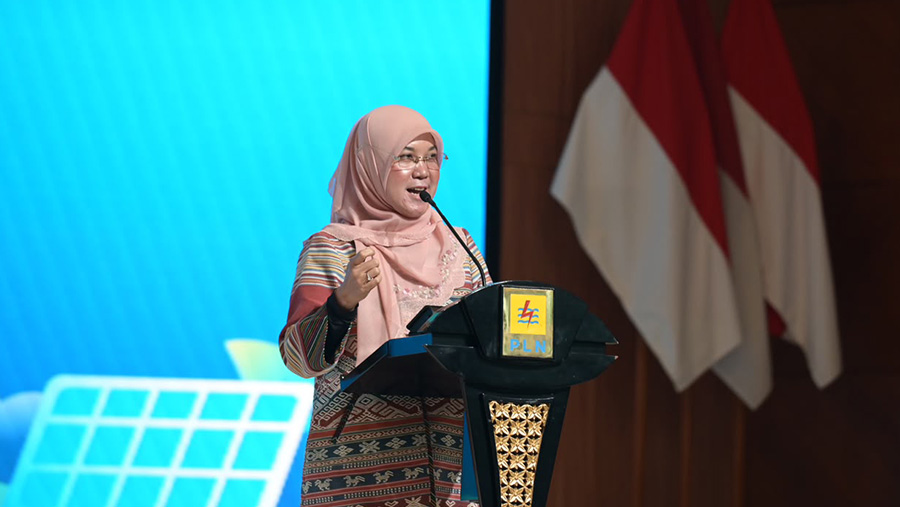
Representing an acceptance rate of just 1.12 percent, the 15 winning teams were formally honored on November 12, 2026, at PLN's headquarters in Jakarta across five core categories: Climate Innovation, Sustainable Village, Renewable Energy for Frontier, Outermost, and Disadvantaged Regions (3T), Education for Impact, and Ecopreneur. Rather than treating community outreach as passive charity, this flagship model of PLN sustainability innovation pairs grassroots problem solvers with full implementation funding, technical mentorship, and operational integration across PLN's regional units.
Inside The Numbers Of PLN SustainAction 2026
Launched in 2024 as a nationwide competition and social empowerment platform, PLN SustainAction has rapidly grown into one of Indonesia's largest corporate-backed sustainability incubators. For the 2026 edition, registration opened through the PLN Mobile super-app from August 10 through September 30, 2026, attracting 1,341 project submissions from community groups, non-profit organizations, academics, and local social enterprises across the archipelago.
To ensure that winning proposals could survive real-world operating conditions rather than sounding impressive only on paper, PLN overhauled its evaluation pipeline in 2026. After narrowing the pool through administrative screening, preliminary reviews, semifinal pitches, and final online judging down to 30 finalists in mid-October, PLN's Social and Environmental Responsibility (TJSL) team conducted direct on-site feasibility checks between October 17 and November 5, 2026.

Gregorius Adi Trianto, Executive Vice President of Corporate Communication and TJSL at PLN, emphasized that field verification was introduced specifically to separate aspirational concepts from actionable community programs. By inspecting project sites in person before naming the top three winners in each category, evaluators verified local stakeholder buy-in, environmental readiness, and long-term economic viability. That rigor ensures PLN sustainability innovation produces measurable results once grant funds reach the field.
Why Grassroots Innovators Anchor Corporate Sustainability
A recurring pitfall in traditional corporate social responsibility is designing top-down programs in Jakarta and expecting rural communities to adopt them overnight. During the November 12 capacity building and awarding forum, Edi Eko Cahyono, Director of Social and Environmental Responsibility at the State-Owned Enterprises Regulatory Agency (BP BUMN), pointed out that genuine social innovators rarely wait for corporate grants to begin solving neighborhood problems.
According to Edi, local champions already possess deep cultural trust and firsthand knowledge of the ecological or economic bottlenecks holding their villages back. When state-owned enterprises combine institutional resources with citizen-led initiatives that are already moving, execution accelerates dramatically. Instead of spending months building community trust from scratch, corporate partners can help proven local operators scale their reach.
Nurlely Aman, Director of Legal and Human Capital Management at PLN, echoed that philosophy by framing PLN sustainability innovation as a bridge between technical grid modernization and inclusive human development. While PLN's engineers manage power plants and distribution networks, the company's social responsibility mandate requires turning community ideas into practical tools that raise household incomes, protect watersheds, and expand clean electricity access.
Complete Breakdown Of The Fifteen Winning Innovations
The 15 recognized initiatives span diverse geographies and disciplines, proving that environmental stewardship and economic productivity reinforce each other when tailored to local conditions. Each of the five competition categories awarded three top cohorts.
In the Climate Innovation category, first place went to SIGAP (Village Women and Youth Based Spring Adaptation and Conservation Movement Innovation System), a grassroots initiative mobilizing women and young residents to protect rural water springs against seasonal drought and land degradation. Second place was awarded to Wintaos Wanadesa Mandiri for community-led forest stewardship, while third place went to Lipobay Circular Technology for advancing circular waste recovery solutions.
In the Sustainable Village category, top honors went to Batik Ciprat Nusantara through Jaringan Rumah Karya Difabel, a creative enterprise network empowering artisans with disabilities through traditional textile production. Second place went to AURORA (Automated Urban Community Regulated Irrigation and Fertigation Architecture), which brings precision water and nutrient automation to urban farming plots. Third place was claimed by RUBI in Banyukuning Village, a community food security project producing healthy analog rice powered by PLN's Electrifying Agriculture program.
In the Renewable Energy 3T category, first place recognized Panel Surya dan Limar, an energy-efficient solar lighting initiative that extends productive working and study hours for residents in off-grid communities. Second place went to Biomass Gasification Technology for Village Electrification, converting local agricultural residues into reliable rural power. Third place was awarded to Inovasi Bahari, a hybrid ocean current and solar photovoltaic power system designed to give offshore lift-net fishing platforms (bagan tancap) independent clean energy without relying on expensive diesel fuel.
In the Education for Impact category, first place went to Lahan Petani Agro-Energy School, which trains farmers in energy-integrated agricultural practices. Second place recognized Application-Based Precision Agriculture Education and Communal Demonstration Plots, a program helping vegetable growers boost crop yields and household income through digital agronomy tools. Third place went to Sign2Speech, an artificial intelligence communication platform created by researchers at UIN Sultan Maulana Hasanuddin Banten to empower deaf workers inside coffee shop ecosystems, earning IDR 220 million in implementation funding.
In the Ecopreneur category, first place was awarded to Untir Kalimian Menyala Hijau Lestari for green community enterprise development. Second place went to Lontarverse, which strengthens the livelihoods of palmyra palm farmers through downstream sap processing. Third place recognized Ratikita, a digital application service that streamlines household waste sorting and recycling logistics.
Bridging Community Action With National ESG Benchmarks
The expansion of PLN sustainability innovation aligns directly with PLN's broader Environmental, Social, and Governance (ESG) trajectory and Indonesia's Net Zero Emissions 2060 commitment. According to PLN's latest sustainability disclosures, the utility's TJSL programs reached 201,974 direct beneficiaries nationwide during the 2025 reporting cycle. Over the same period, PLN generated 49.7 terawatt-hours (TWh) of green electricity and recorded 51.05 million tons of carbon dioxide equivalent (tCO2e) in total emission reductions.
Independent governance benchmarks reflect steady operational progress alongside these community investments. PLN improved its Sustainalytics ESG Risk Rating to 27.4, achieved an 87.65 score in its BPKP ESG audit, earned an A- rating on the CDP Water Security questionnaire, and certified 95.7 percent of its operating units under ISO 14001 environmental management standards.
Linking grassroots winners to core utility programs multiplies their economic footprint. For instance, projects like RUBI in Banyukuning Village tap directly into PLN's Electrifying Agriculture ecosystem, replacing costly fossil-fuel machinery with clean electric equipment that lowers operating expenses for smallholder farmers. Similarly, hybrid marine and solar generators in the Renewable Energy 3T category demonstrate how decentralized microgrids can displace diesel consumption in remote coastal waters where extending submarine cables remains cost-prohibitive.
Scaling Local Solutions For Long Term Impact
Winning recognition at PLN SustainAction 2026 marks the beginning of an intensive operational phase rather than a ceremonial finish line. All 15 cohorts enter structured capacity building modules designed to strengthen financial governance, impact measurement, stakeholder collaboration, and public communications. By embedding these initiatives within PLN's regional distribution and generation units across Indonesia, the utility aims to ensure that successful pilots in water conservation, inclusive employment, circular waste management, and rural clean energy can be replicated across neighboring districts.
As Indonesia balances rapid economic growth with urgent decarbonization targets, the lessons from 1,341 community proposals offer a clear blueprint for policymakers and corporate leaders alike. Sustainable transformation gains lasting momentum when institutional capital meets trusted local leadership. Through disciplined field verification, targeted grant financing, and ongoing mentorship, PLN sustainability innovation shows how empowering everyday citizens turns national climate ambitions into tangible prosperity at the village level.
Read More