


 Tuesday, 10-11-26


The Commercial Imperative For Instant Vehicle Refueling
The global transition toward sustainable transportation is accelerating across public and private sectors. Electric vehicles are rapidly replacing internal combustion engine fleets to reduce corporate carbon footprints and comply with increasingly stringent urban emissions mandates. However, commercial logistics operators, public transit managers, and freight delivery networks face a persistent operational bottleneck when deploying electric mobility models. Traditional plug-in fast chargers require anywhere from thirty minutes to several hours to replenish a vehicle battery pack. For commercial operations, where daily revenue is directly tied to total vehicle uptime, extended charging cycles represent costly operational downtime. When delivery trucks, passenger buses, or ride-hailing vehicles sit idle at charging stations, fleet productivity drops significantly. Consequently, transport operators require a specialized energy replenishment architecture designed to match the continuous, demanding schedules of commercial enterprise operations.
The Operational Dynamics Of Battery Swapping Technology
Addressing the challenge of vehicle downtime requires a fundamental shift in energy delivery methods. Implementing advanced battery swapping technology provides a direct alternative to conventional plug-in charging setups. Instead of tethering a vehicle to a stationary charger while waiting for chemical energy transfer, automated swap stations remove depleted battery units and replace them with fully charged packs. This mechanical exchange takes between one and two minutes to complete, allowing vehicles to return to active service almost immediately. Furthermore, off-board charging systems allow depleted batteries to be recharged gradually under climate-controlled conditions. This controlled charging process preserves long-term battery health, mitigates power grid spikes during peak operational hours, and optimizes overall energy consumption across the management network.
Strategic Alliance Driving Commercial Fleet Infrastructure
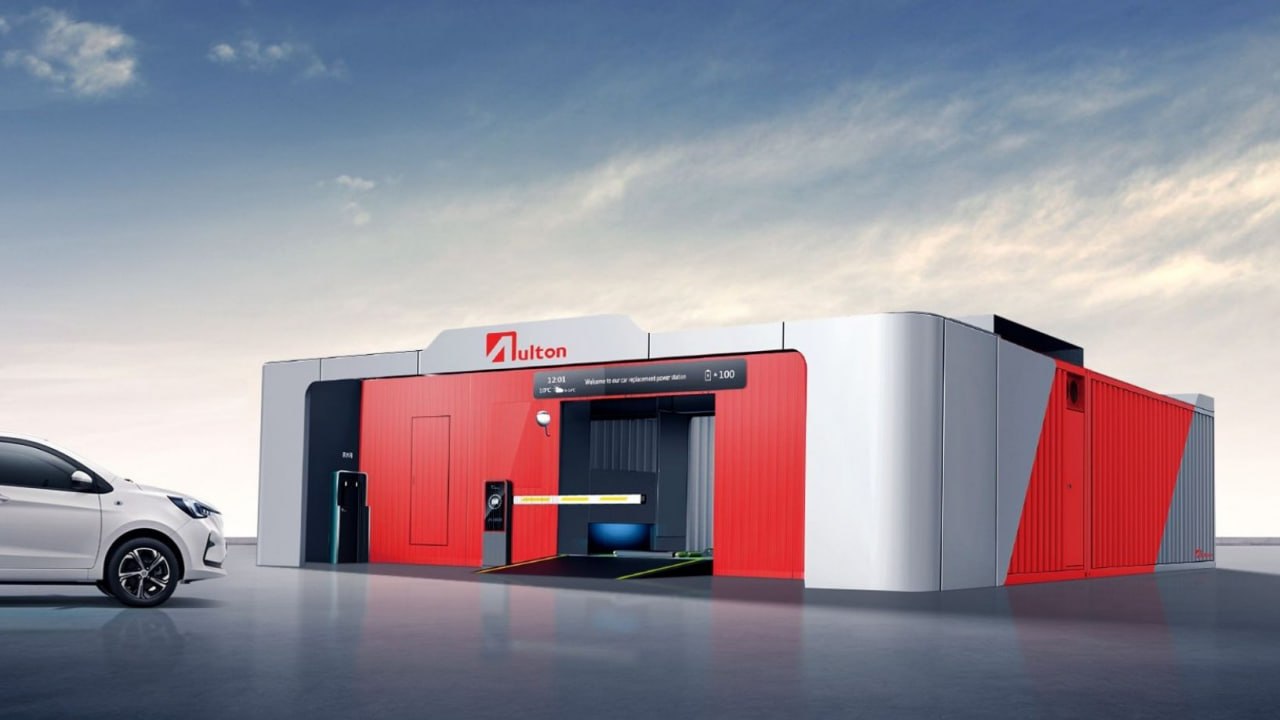
Recognizing the commercial necessity for automated refueling solutions, PT Teknologi Karya Digital Nusa Tbk, publicly traded as TRON, entered into a strategic collaboration with Aulton New Energy Automotive Technology Co., Ltd. Announced in late 2026, this partnership aims to develop and deploy standardized battery swapping technology tailored specifically for commercial vehicle fleets in Indonesia. The joint initiative combines TRON’s expertise in local fleet management integration and IoT ecosystems with Aulton’s established technological framework in automated swap station architecture and battery management systems. The primary target for this deployment encompasses commercial transport operators, including municipal passenger transit systems, express logistics networks, and heavy-duty freight haulers. By combining ecosystem integration with automated hardware, both companies aim to establish a reliable, high-utilization energy network across key logistics corridors.
Market Growth Projections And Industry Economics
The financial incentives for adopting automated swapping systems are driving substantial capital investment across global markets. Industry data indicates that the global electric vehicle battery swapping market was valued at approximately 2.08 billion dollars in 2026 and is projected to reach 7.33 billion dollars by 2031, expanding at a compound annual growth rate of 28.61 percent. Within the broader market, the Asia-Pacific region holds the largest market share, accounting for over 50 percent of global deployment due to high urban density and extensive public transit networks. Moreover, commercial vehicle segments are expanding rapidly, with automated four-wheeler and heavy commercial swapping solutions projected to grow at over 35 percent annually through 2030. These economic figures demonstrate how corporate fleet operators recognize that reducing charging downtime translates directly into higher daily vehicle asset utilization and improved return on capital investments.
Engineering Standards And Automated Station Infrastructure
The technical execution of commercial battery swapping relies on highly synchronized mechanical engineering and digital monitoring systems. Automated swap stations utilize precise robotic positioning rails to locate the vehicle chassis, unlock the depleted battery pack from the underbody, and safely extract it into an internal storage rack. Simultaneously, a fully charged battery is retrieved from an integrated charging vault, aligned with the vehicle frame, and locked securely into place. Beyond physical hardware, digital telemetry plays an essential role in system performance. Telemetry platforms continuously monitor cell temperatures, state-of-health metrics, voltage balance, and cycle life for every battery unit in circulation. This continuous digital tracking ensures that fleet operators receive reliable power units while allowing station managers to perform predictive maintenance before hardware failures occur.
Addressing Grid Impact And Capital Expenditures
Deploying centralized swapping hubs offers clear structural advantages for municipal power grid management. Conventional high-power direct current fast charging stations create severe demand spikes on local electrical grids when multiple commercial vehicles plug in simultaneously. In contrast, battery swapping stations decouple energy storage from instant vehicle connection. Depleted batteries stored inside the station can be charged at lower, steady power rates during off-peak hours when electricity costs are lower. This buffer mechanism reduces strain on municipal utility grids and enables energy management operators to integrate renewable energy sources, such as solar or wind power, more effectively. Additionally, commercial fleet operators can adopt a Battery-as-a-Service financial structure. By decoupling battery asset ownership from the vehicle chassis, commercial operators significantly lower initial capital expenditure, treating energy consumption as a predictable operational cost.
Overcoming Integration Challenges In Domestic Markets
While the operational benefits of battery swapping technology are clear, widespread commercial implementation requires overcoming structural challenges within domestic markets. Standardizing battery pack form factors, mounting interfaces, and communication protocols across different vehicle manufacturers remains a complex industry hurdle. Without standardized battery designs, swapping stations must maintain multiple inventory types, which increases operational costs and reduces station throughput. Furthermore, establishing a comprehensive physical network of automated swapping hubs requires strategic real estate acquisition, high-voltage utility connections, and precise site selection along major transportation routes. Successful deployment depends on close coordination between technology providers, vehicle original equipment manufacturers, commercial fleet management companies, and municipal infrastructure planners.
Future Outlook For Automated Commercial Transportation
The evolution of commercial transportation will be increasingly shaped by automated energy replenishment infrastructure. As battery swapping technology matures and standardization expands across commercial vehicle lineups, fleet operators will gain unprecedented flexibility in routing, scheduling, and asset deployment. Fast, automated battery exchanges eliminate range anxiety for long-distance haulers and maximize daily route iterations for urban delivery vehicles. Corporations that integrate smart swapping networks alongside comprehensive fleet telematics will achieve higher operational efficiency, reduced per-kilometer energy costs, and reliable performance across their supply chains. The transition from legacy fossil fuels to electrified logistics requires robust engineering solutions, and automated battery exchanges stand out as a foundational pillar for sustainable commercial transit.
Read More