


 Monday, 09-11-26


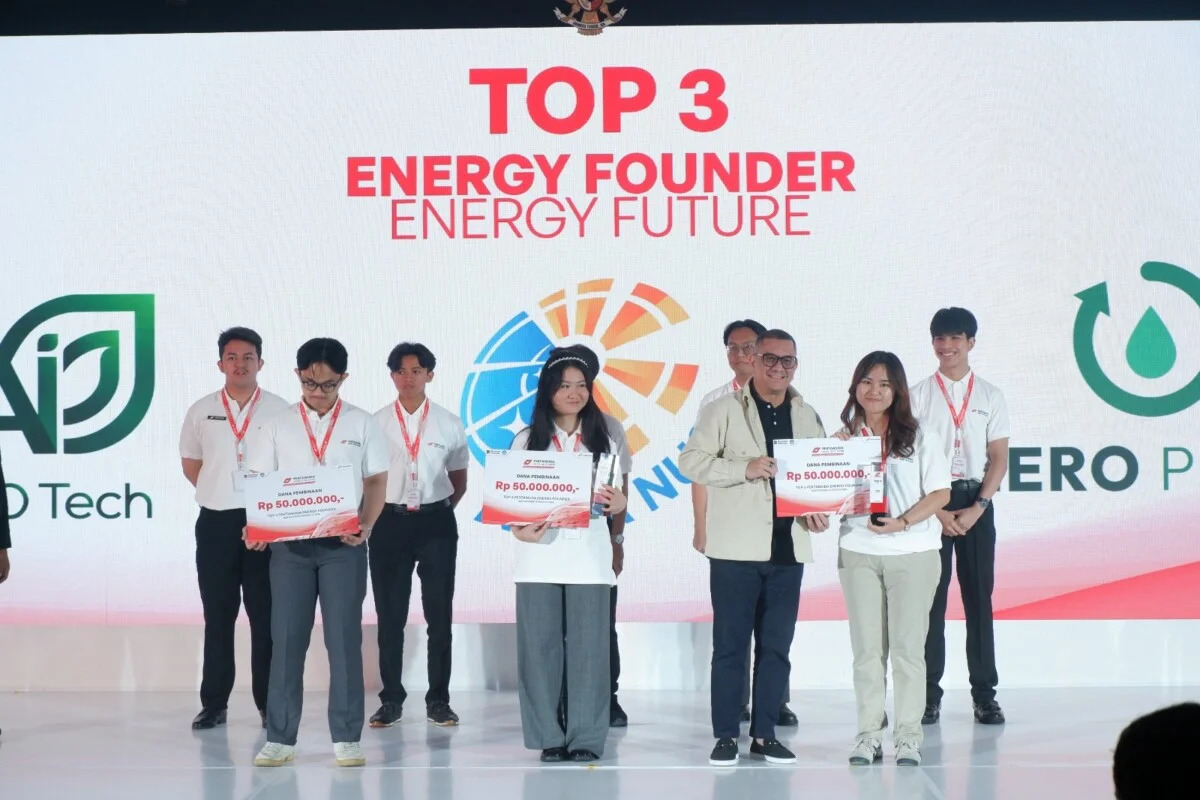
The landscape of corporate incubation and youth entrepreneurship in Southeast Asia is experiencing a transformative shift. National energy champions are increasingly recognizing that the future of green transition, digital acceleration, and industrial efficiency lies in the hands of young university innovators. On November 5th, 2026, PT Pertamina (Persero) hosted the final pitch and awarding ceremony for the Pertamuda Seed and Scale 2026 competition at The Patra Bali in Denpasar. Out of a massive applicant pool of 4,445 participants representing 764 higher education institutions across Indonesia and two international universities, nine standout teams emerged at the top. The selection of the Pertamuda 2026 startup winners highlights a significant trend toward deep tech, energy optimization, and sustainable agriculture. This comprehensive analysis delves into the economic mechanisms, sector breakdowns, and long term implications of incubators aimed at transforming student concepts into commercial enterprises.
The Operational Mechanics Of Pertamuda Seed And Scale
Building an early stage venture within an academic setting presents distinct challenges, ranging from limited seed capital to restricted access to industrial testbeds. The Pertamuda Seed and Scale ecosystem was specifically structured to solve these structural bottlenecks. Participating teams embarked on a rigorous multi tier evaluation process that winnowed thousands of initial submissions down to the Top 100 during online curation. From there, founder teams competed in Elevator Pitch rounds to secure spots in the Top 60, followed by intensive bootcamps that prepared the Top 30 for the final stages.
The top teams within each category received substantial financial support alongside tailored mentorship. Winners in the Early Stage Startup track were awarded cash prizes of 100 million Indonesian Rupiah per team, supplemented by 25 million Indonesian Rupiah in incubation support funds allocated directly to their university incubation centers. Furthermore, these teams enter a structured three month Business Academy program, access one on one expert mentoring, and participate in an international business development tour scheduled for 2027. This multi layered support model ensures that funding is paired with governance, industrial networking, and market validation.
Sector Breakdown And Profile Of Winning Innovations
The competition awarded nine main winners divided evenly across three dedicated subcategories: Early Stage Startup, Energy Founder Energy Optimization, and Energy Founder Energy Future. Each track addresses a critical pillar of national development and global technological competitiveness.
The Early Stage Startup category was led by Robotku School from Universitas Indonesia, which focuses on technology education, followed by Apros from Institut Teknologi Sepuluh Nopember and Aigra from Universitas Negeri Surabaya. These initiatives demonstrate how digital tools can modernize educational access, supply chain logistics, and local enterprise operations.
In the Energy Optimization track, Popipo from Institut Teknologi Bandung took top honors, alongside Spectamate from Universitas Indonesia and Node Fabless Semiconductor Company founded by a student at Ritsumeikan Asia Pacific University in Japan. The inclusion of a domestic semiconductor project highlights growing interest in localized microchip design. Developing fabless semiconductor blueprints within Indonesia aligns directly with national targets to elevate the domestic component level and build sovereign tech hardware capabilities.
The Energy Future track showcased solutions designed to accelerate environmental sustainability and clean tech transition. Zero Pome from Universitas Indonesia earned first place with its approach to managing palm oil mill effluent, a major byproduct of the agricultural sector. Aio PestGuard from Politeknik Elektronika Negeri Surabaya secured second place with smart agricultural hardware, while Aquasweep from the University of Toronto achieved third place with its water waste management tech. The diversity of these applications illustrates how young founders are applying hardware and software engineering to solve environmental challenges.
Economic Value And Strategic Corporate Alignment
Corporate startup incubation programs like Pertamuda serve a dual economic function. For the corporate sponsor, engaging with university level entrepreneurs creates an external research and development pipeline that accelerates internal innovation. Traditional energy companies face complex operational mandates, including decarbonizing core assets while exploring renewable alternatives. By establishing direct contact with university research labs and student startups, state enterprises can identify disruptive technologies before they reach commercial maturity.
For the national economy, supporting student startups strengthens the broader technology ecosystem. Early stage capital funding enables founders to validate their prototypes in real world environments. When a Pertamuda 2026 startup winners team integrates its software into industrial operations or deploys hardware sensors across agricultural fields, it reduces operational inefficiencies and boosts domestic productivity. Furthermore, structured mentorship programs equip young founders with key business skills, including unit economics calculation, intellectual property management, and regulatory compliance.
Overcoming Structural Scaling Barriers For University Founders
Despite initial success in pitch competitions, university founded ventures often encounter significant operational hurdles when transitioning from pilot projects to commercial scale. One primary barrier is navigating regulatory approval processes, particularly for energy hardware, environmental treatment solutions, and semiconductor design. Obtaining safety certifications, environmental permits, and patent protections requires significant capital and specialized legal advice that early stage startups rarely possess on their own.
Another common challenge is customer acquisition within conservative industrial sectors. B2B enterprise clients and industrial facility managers often hesitate to adopt technology developed by student run companies without proven operating histories. Incubator programs address this trust deficit by offering corporate validation and pilot testing opportunities. When corporate leadership facilitates introduction meetings between student founders and potential enterprise clients, it significantly lowers market entry barriers. Founders who leverage these corporate connections are far more likely to achieve sustainable revenue growth and secure venture capital follow on rounds.
Long Term Impact On National Technology Sovereignty
The overarching objective of nurturing university entrepreneurs extends beyond single event pitch sessions. It forms a strategic investment in long term technology sovereignty. Countries that build internal capabilities in hardware engineering, software development, green chemistry, and semiconductor architecture gain significant economic independence and resilience against global supply chain disruptions.
The achievements of the Pertamuda 2026 startup winners highlight the growing sophistication of student led ventures across Indonesia and international academic hubs. As corporate energy leaders continue to expand their mentoring networks, financial support systems, and international exposure programs, these young companies will play an increasingly prominent role in driving sustainable economic growth. By bridging the gap between university research labs and commercial industrial implementation, programs like Pertamuda ensure that local innovations mature into enterprise scale solutions capable of competing on the global stage.
Read More