


 Monday, 09-11-26


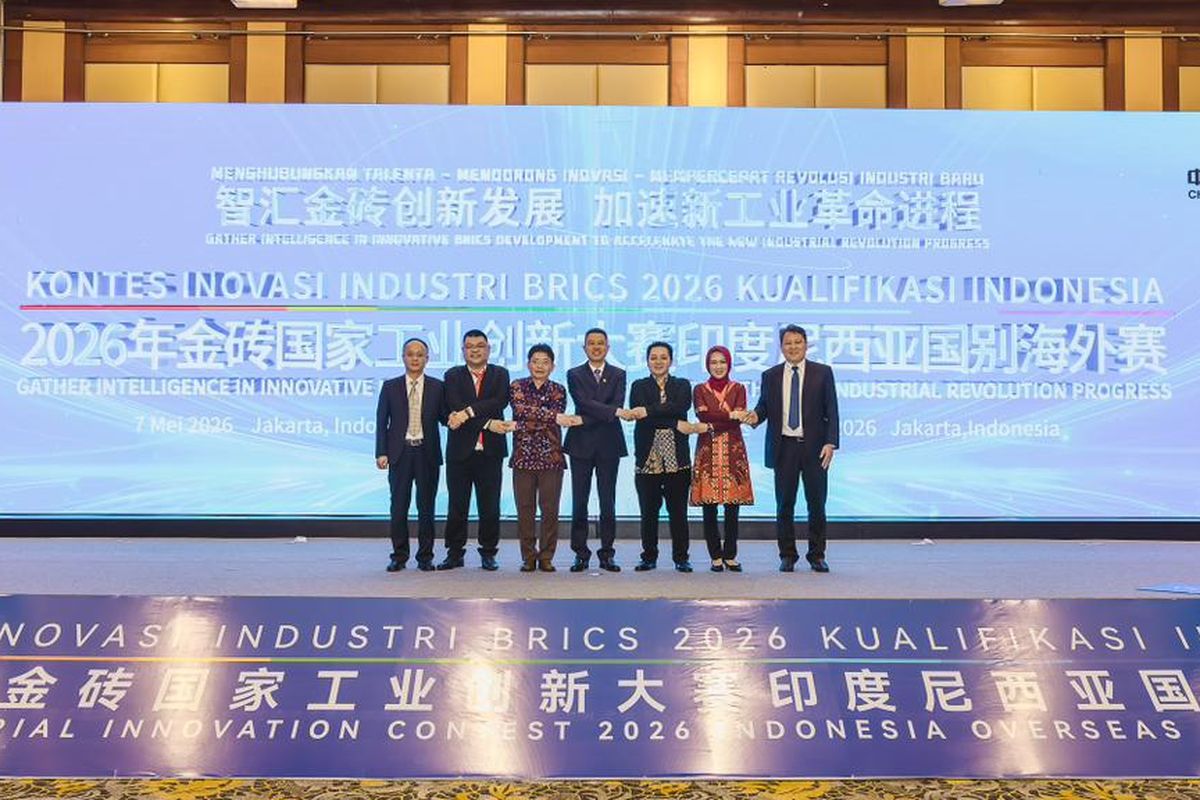
The global economic landscape is undergoing a massive transformation, and technology driven enterprises are at the forefront of this shift. Recently, prominent news sources reported that emerging businesses in Southeast Asia are aggressively targeting new avenues for financial backing and international reach. Specifically, the growing relationship between these tech entities and a powerful bloc of developing nations has captured the attention of global investors. By leveraging this strategic alignment, business leaders hope to unlock unprecedented opportunities. This movement is largely driven by the recent geopolitical decisions that have repositioned Southeast Asia's largest economy on the world stage. Following its official entry into a major international coalition in early 2025, the nation has seen a surge in collaborative initiatives. In this comprehensive analysis, we will explore how the Indonesia startup BRICS alignment is creating a robust pathway for technology transfer, expanded consumer bases, and diversified funding mechanisms. This strategic pivot not only mitigates the risks associated with traditional investment avenues but also accelerates innovation across multiple sectors.
Understanding The Strategic Shift Towards Emerging Markets
For the past decade, technology companies in Southeast Asia have primarily relied on venture capital from Western nations, particularly the United States and various European countries. While this funding helped build a vibrant digital ecosystem, it also exposed young companies to the volatility of Western financial markets. Recent economic downturns and a prolonged funding winter have compelled visionary founders to look elsewhere. The formation and expansion of alternative economic blocs have presented a viable solution. The Indonesia startup BRICS phenomenon represents a calculated move to diversify financial dependencies and tap into rapidly growing economies. By shifting their focus toward nations like Brazil, Russia, India, China, and South Africa, these agile companies are securing a safety net against global market fluctuations. This realignment is not merely about finding new sources of money; it is about integrating into a network that prioritizes mutual technological advancement and shared prosperity among developing nations. Establishing a presence in these varied regions allows growing enterprises to test their products in highly populated areas that share similar socioeconomic challenges. Consequently, solutions developed in Jakarta or Bandung often find immediate relevance in cities like Mumbai or São Paulo. The shared characteristics of these developing markets make them ideal testing grounds for scalable innovations.
Economic Impact And Data Driven Growth Potential
When analyzing the sheer scale of this geopolitical and economic integration, the numbers speak volumes. The coalition of emerging economies currently represents over 41% of the global gross domestic product based on purchasing power parity. Furthermore, this alliance encompasses nearly half of the global population, offering an incredibly vast consumer base for digital products and services. In 2024 alone, bilateral trade between Southeast Asia's largest economy and these partner nations reached approximately $150 billion. This staggering figure highlights the immense potential for digital enterprises that can facilitate, optimize, or build upon these trade relations. The Indonesia startup BRICS strategy aligns perfectly with the national objective of achieving an 8% gross domestic product growth rate. Access to the New Development Bank is another crucial factor. This financial institution provides alternative funding mechanisms for infrastructure and digital transformation projects, effectively lowering borrowing costs compared to traditional global lenders. For a tech company aiming to scale operations, this environment translates into easier access to capital, supportive governmental policies, and a ready market hungry for digital integration. The combination of massive population numbers and rising middle classes across these member states creates a fertile ground for exponential revenue growth.
Strategic Sectors Ripe For International Investment
While the overarching benefits of this cross border collaboration are evident, certain industries stand to gain significantly more than others. Renewable energy and green technology form a cornerstone of this international synergy. As developing nations strive to meet their climate goals while maintaining industrial growth, innovative solutions for clean energy distribution and consumption are in high demand. Tech companies specializing in solar panel management software, electric vehicle infrastructure, and carbon tracking are uniquely positioned to attract massive capital from these international partners. Similarly, the agriculture technology sector is experiencing a boom. Both India and Brazil have massive agricultural footprints, and digital tools that improve crop yields, supply chain transparency, and weather forecasting are highly prized. Financial technology is another area experiencing rapid integration. The goal of reducing dependence on traditional Western financial systems has accelerated the need for alternative cross border payment solutions. Any Indonesia startup BRICS initiative focused on decentralized finance, blockchain based ledgers, or seamless international remittances will find eager investors and willing governmental partners. Finally, artificial intelligence and advanced manufacturing software are critical areas where technology transfer is actively encouraged. By collaborating with established tech giants in China or India, local enterprises can rapidly improve their algorithms and operational efficiencies.
Navigating Regulatory Frameworks And Cultural Differences
Despite the immense potential, venturing into a diverse array of international markets presents substantial challenges. Each member state within this global coalition operates under its own unique set of legal, political, and cultural frameworks. For instance, data localization laws in one country might starkly contrast with privacy regulations in another. Founders must conduct rigorous due diligence to ensure complete compliance before launching their products. This often requires establishing local partnerships or hiring specialized legal counsel to navigate complex bureaucratic landscapes. Beyond legal hurdles, cultural adaptation is paramount for consumer facing applications. A marketing strategy that resonates well in Southeast Asia might fail completely in South America or Eastern Europe. Therefore, the Indonesia startup BRICS expansion model relies heavily on hyper localization. User interfaces, customer service protocols, and even core functionalities must be tailored to meet the specific preferences and habits of the target demographic. Companies that invest time and resources into understanding the local nuances of each market will undoubtedly outperform those that attempt a one size fits all approach. Furthermore, maintaining a neutral and adaptable corporate stance is essential. Geopolitical dynamics can shift rapidly, and business leaders must remain agile enough to pivot their strategies in response to new trade policies or international tariffs.
Maximizing Technology Transfer And Sustained Innovation
The ultimate goal of connecting with a broader network of developing nations extends far beyond immediate financial gains. It is about fostering an environment of continuous learning and technological exchange. The Indonesia startup BRICS integration provides a unique platform for knowledge sharing among the brightest minds in the developing world. Joint research and development centers, cross border incubation programs, and shared talent pools are becoming increasingly common. This collaborative approach allows younger companies to leapfrog traditional developmental stages by adopting proven technologies from their international peers. For example, a logistics platform in Jakarta can implement advanced route optimization algorithms developed in New Delhi, significantly reducing delivery times and operational costs. This symbiotic relationship strengthens the entire ecosystem, making it more resilient and self sufficient. As these tech companies continue to mature, they will inevitably transition from being technology consumers to technology creators, exporting their proprietary innovations back to the global market. Ultimately, this strategic alignment is paving the way for a more balanced global digital economy, where emerging nations dictate the pace and direction of technological progress. The future of digital enterprise is incredibly bright, provided that these cross border relationships are nurtured with mutual respect and a shared vision for sustainable growth.
Future Outlook For Global Tech Synergy
In summary, the strategic pivot towards non traditional markets marks a defining moment for ambitious digital enterprises. By actively participating in a robust international coalition, these businesses are securing vital capital, expanding their consumer reach, and accelerating their technological capabilities. The Indonesia startup BRICS framework serves as a powerful blueprint for other developing nations seeking to elevate their domestic industries on the global stage. While challenges related to regulatory compliance and cultural adaptation remain, the potential rewards far outweigh the inherent risks. As trade relations deepen and cross border investments continue to multiply, the tech ecosystem will undoubtedly experience unprecedented levels of innovation and prosperity. Moving forward, the success of these ventures will depend on their ability to remain agile, culturally sensitive, and relentlessly focused on solving real world problems across diverse populations.
Read More