


 Monday, 09-11-26


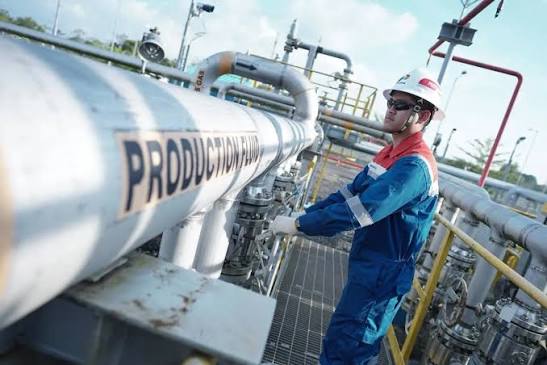
The upstream oil and gas sector in Southeast Asia is undergoing a major technical resurgence driven by aggressive drilling initiatives, advanced workover programs, and enhanced field management. In early November 2026, Indonesia national energy company PT Pertamina (Persero), in close coordination with the Special Task Force for Upstream Oil and Gas Business Activities, known as SKK Migas, reported extraordinary preliminary output results from several key onshore and offshore developmental wells. Initial production testing revealed that multiple active wells exceeded their combined initial targets by more than five times, with individual sites recording surges of up to sixfold above baseline expectations. Across four recently evaluated assets, total tested output reached 2,563.7 barrels of oil per day, vastly surpassing the collective initial target of 499 barrels of oil per day. This substantial exceedance of the Pertamina oil wells production target provides significant operational momentum toward meeting national lifting goals and reducing energy import dependencies.
Technical Analysis Of Onshore Field Performance And Output Surges
The operational success observed across Pertamina upstream concessions stems from a combination of targeted development drilling and high efficiency well workover operations. In South Sumatra, development well GNK-119, situated in the Gunung Kemala structure northwest of Prabumulih and operated under Pertamina Hulu Rokan Zone 4, delivered standout results. Initial testing logged a preliminary flow rate of 943.5 barrels of oil per day, representing a 212 percent increase over its initial design target of 200 barrels per day. Additionally, the well yielded 4.29 million standard cubic feet of natural gas per day, supplying crucial feedstock to regional industrial gas grids.
Meanwhile, in West Java, workover operations executed at well JAS-022 within the Subang Field under Pertamina EP Zone 7 yielded equally impressive gains. Technical intervention transformed the mature well, boosting crude oil production to 370.8 barrels per day alongside 1.60 million standard cubic feet per day of natural gas. The workover was completed at a total cost of 542,226 US dollars, coming in well below the approved budget of 590,643 US dollars. The performance of these wells demonstrates how modernized engineering methods allow operators to beat every Pertamina oil wells production target set for legacy fields.
Strategic Role Of Offshore Gas Production In National Lifting Goals
Complementing onshore gains, offshore operations in East Kalimantan have provided substantial incremental volumes of both natural gas and liquid condensates. Pertamina Hulu Mahakam successfully brought the JUM-101 offshore development well online, recording stable production of 3.3 million standard cubic feet of natural gas per day. This gas output represents 110 percent of the original engineering target for the well, while also delivering an additional 250 barrels of crude oil per day directly into regional processing facilities.
SKK Migas Head Djoko Siswanto emphasized that these technical successes validate the national strategy of combining aggressive exploration with well intervention programs across brownfield reservoirs. By applying modern seismic data analytics and well completion technologies, operators are reversing historical decline rates in mature fields. The ability to extract high yield flows from legacy concessions reduces the capital risk associated with greenfield exploration while providing immediate volume additions to national crude lifting accounts. Aligning field level engineering execution with the broader Pertamina oil wells production target strategy ensures that existing infrastructure is maximized to support national supply security.
Macroeconomic Impact On Domestic Energy Resilience And Fiscal Balance
The economic benefits of surpassing upstream production milestones extend beyond individual corporate balance sheets. Indonesia current macroeconomic framework prioritizes energy self sufficiency to protect the domestic economy from international oil price volatility and currency fluctuations. Higher domestic crude output directly offsets expensive refined fuel imports, preserving foreign exchange reserves and strengthening the national current account balance. Each milestone achieved toward the baseline Pertamina oil wells production target plays a critical role in reducing reliance on foreign crude imports.
Furthermore, associated natural gas output plays a pivotal role in supporting domestic industrial expansion and power generation. The natural gas flows secured from wells GNK-119, JAS-022, and JUM-101 supply vital industrial centers across South Sumatra, West Java, and East Kalimantan. Providing low cost, domestic natural gas enables local manufacturing industries to maintain competitive operational costs while reducing greenhouse gas emissions compared to coal fired alternatives. The revenue generated from incremental oil and gas sales also delivers higher tax royalties and non tax state revenues directly to regional governments, driving localized economic infrastructure development.
Future Engineering Outlook And Upstream Capacity Expansion
Looking ahead, the successful deployment of workovers and development drilling sets a repeatable technical template for upcoming upstream campaigns across Southeast Asia. Pertamina and SKK Migas plan to replicate these high yield well intervention techniques across dozens of candidate wells scheduled for reactivation and optimization throughout the remainder of 2026 and into 2027.
Maintaining long term production growth will require continuous investment in digital reservoir modeling, automated artificial lift systems, and advanced enhanced oil recovery techniques. As state enterprises accelerate drilling schedules, collaborating with international equipment suppliers and local technical services providers will remain essential. The ongoing success in exceeding each Pertamina oil wells production target demonstrates that mature Indonesian oil and gas basins still contain significant untapped reserves. By maintaining high operational efficiency, rigorous budget discipline, and strategic technical execution, the national energy sector is well positioned to sustain robust production growth and underpin long term economic stability.
Read More