





 Thursday, 08-10-26








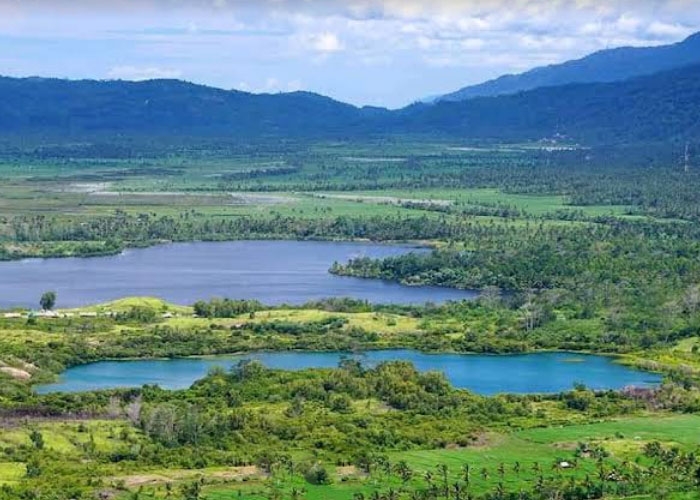
Indonesia and Norway have officially launched the fifth period of the Community Service Fund for Indonesia's Forestry and Other Land Use (FOLU) Net Sink 2030, allocating a total budget of 20 billion rupiah. Officiated by Deputy Minister of Forestry Rohmat Marzuki on behalf of Forestry Minister Raja Juli Antoni in Jakarta, this initiative marks a crucial milestone in decentralized climate action. Channelled through the Environmental Fund Management Agency (BPDLH), this new tranche aims to directly support grassroots forest management and environmental stewardship across 300 community groups nationwide.
The fundamental objective of this partnership is to bridge high level international climate commitments with tangible, site level actions. By empowering indigenous groups, local farmers, and youth organizations living in and near forest boundaries, both nations aim to foster sustainable livelihoods while making significant strides toward Indonesia's ambitious 2030 carbon sink goals.
The Evolution of Bilateral Climate Cooperation
The strategic partnership between Indonesia and Norway stands as one of the most successful bilateral environmental collaborations in the global south. Norway has long recognized Indonesia's pivotal role in global climate mitigation, given that the Southeast Asian nation harbors the third largest tropical rainforest area in the world. This latest release of the FOLU Net Sink fund builds upon years of performance based contribution frameworks, where financial rewards are tied directly to verified emissions reductions from reduced deforestation and forest degradation.
During previous phases, the funding framework demonstrated remarkable reach and efficiency. Across the first four operational periods, the Community Service Fund disbursed approximately 29.081 billion rupiah to 863 community groups, directly benefiting 49,653 individuals across 36 provinces. The launch of the fifth funding cycle reinforces this momentum, bringing total direct community investments to nearly 50 billion rupiah. Norwegian Ambassador Designate to Indonesia Kaja Glomm emphasized during the launch that long term forest protection inherently relies on those who inhabit and depend on these ecosystems daily.
Key Operational Pillars of the Fifth Funding Phase
To ensure maximum ecological impact and social inclusivity, the fifth phase of the FOLU Net Sink fund is structured around three core thematic tracks. Each track targets a distinct aspect of community involvement and environmental conservation:
- FOLU Biodiversity: This pillar allocates direct financial resources toward habitat protection, wildlife corridor restoration, and the preservation of endemic flora and fauna. Communities participating in this track actively monitor local biodiversity and combat illegal encroachment in high conservation value forest areas.
- FOLU Goes to School: Designed to cultivate long term environmental literacy, this program engages schools, vocational institutions, and youth movements. It funds hands on environmental education, tree planting drives, micro nursery management, and student led sustainability projects in rural districts.
- FOLU Terra: Focused directly on economic empowerment, FOLU Terra supports green micro enterprises, non timber forest product development, agroforestry systems, and sustainable soil management. This track ensures that forest conservation translates directly into improved household incomes and enhanced community resilience.
Empowering Local Communities at the Site Level
A persistent challenge in global climate finance is ensuring that international funds trickle down to frontline communities rather than being absorbed by administrative overhead. The deployment of the FOLU Net Sink fund through BPDLH addresses this issue by utilizing streamlined, transparent grant mechanisms tailored specifically for community based organizations.
BPDLH President Director highlighted that the fund serves as a crucial bridge connecting forest conservation with sustainable commercial markets. Rather than treating local populations as mere beneficiaries of charitable aid, the scheme equips them to become active market actors. By providing capital for processing non timber forest products such as rattan, honey, essential oils, and bamboo, the initiative builds sustainable local value chains. When local communities derive direct financial security from standing forests, the economic incentives driving illegal logging and land clearing are substantially diminished.
Targeting National Emissions Reductions by 2030
Indonesia's national FOLU Net Sink 2030 Operational Plan represents one of the most aggressive climate targets set by any tropical nation. The forestry and land use sector accounts for over 60 percent of Indonesia's total national greenhouse gas emissions reduction target under its Nationally Determined Contributions. Achieving a net sink state where carbon absorption by forests exceeds total sectoral emissions requires massive scale interventions across peatland restoration, sustainable forest management, mangrove rehabilitation, and strict deforestation monitoring.
The direct involvement of local communities funded through the FOLU Net Sink fund provides the ground force required to execute these massive interventions. Top down regulatory mandates often struggle without local buy in. By integrating community led forest patrols, fire prevention squads, and social forestry concessions into the national carbon accounting framework, Indonesia creates a scalable and resilient model for climate mitigation that balances ecological necessity with social justice.
Addressing Environmental Risks and Strengthening Governance
The launch of the fifth phase comes at a critical time as environmental challenges such as land clearing, seasonal forest fires, and biodiversity loss require constant vigilance. By establishing structured financial channels, the FOLU Net Sink fund provides local groups with the necessary equipment and training to implement fire prevention measures, manage community nurseries, and conduct sustainable agroforestry.
In addition to funding direct field activities, the governance structure managed by BPDLH ensures strict accountability and environmental integrity. Projects undergo rigorous field verifications and impact assessments to confirm that environmental targets are being met. This transparent operational model not only guarantees that Norwegian contributions yield genuine ecological dividends but also sets a benchmark for other international donors seeking to support climate finance in developing economies.
Future Prospects for Global Climate Finance Models
The continued success of the Indonesia Norway partnership offers a convincing template for future international climate negotiations, including upcoming global climate summits. As developing nations demand greater access to direct, non debt climate finance, the decentralized distribution model demonstrated by the FOLU Net Sink fund showcases how international funding can effectively drive grassroots environmental action.
Looking toward 2030, the scaling up of community level environmental funding will remain vital for Indonesia's long term sustainability strategy. By continuously aligning international climate finance with local economic development, Indonesia and Norway are proving that tropical forest conservation and poverty alleviation can go hand in hand. The allocation of 20 billion rupiah for 300 community groups in this fifth phase serves as another firm step forward in safeguarding Indonesia's irreplaceable natural heritage for future generations.
Read More