





 Thursday, 08-10-26








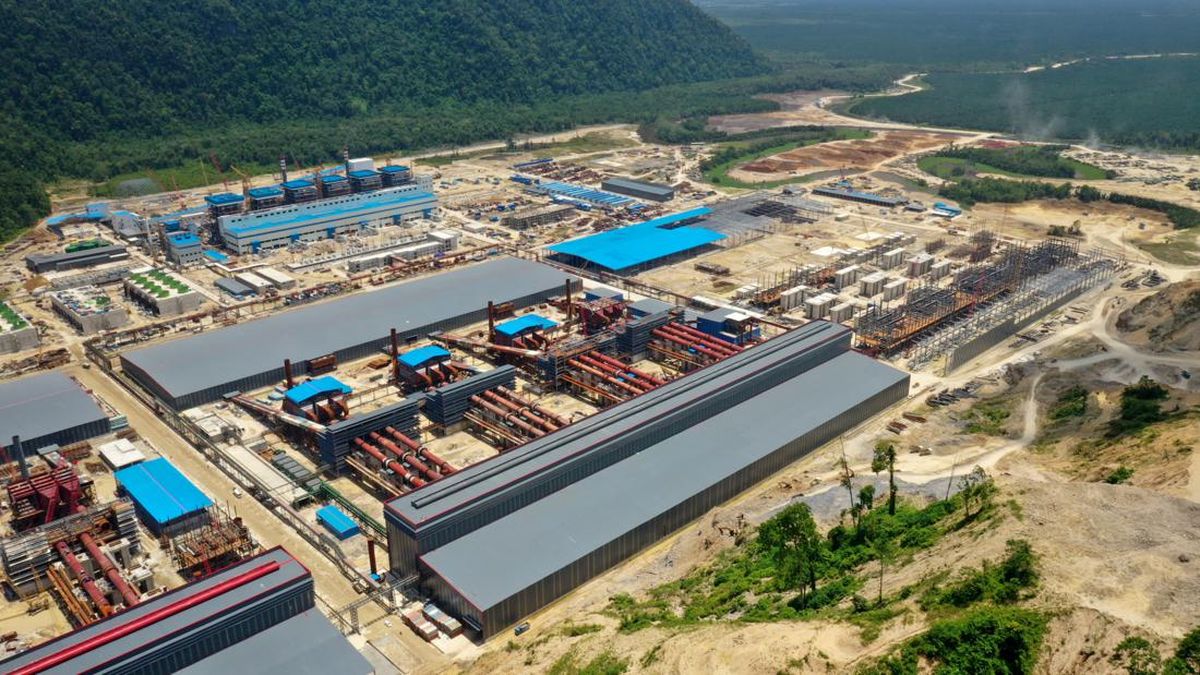
Indonesia stands at the epicenter of the global green energy revolution, largely driven by its massive nickel reserves. As the world transitions toward electric vehicles, the demand for battery materials has skyrocketed. In response, Indonesia implemented a strict downstreaming policy, banning raw mineral exports to encourage domestic processing. This bold move led to a massive influx of foreign and domestic investments, resulting in the rapid construction of processing facilities across the archipelago.
However, this industrial boom has created an unexpected challenge. Recent reports indicate that domestic smelters now require up to 320 million tons of raw materials annually. This staggering figure has prompted the Ministry of Energy and Mineral Resources to take immediate action. To prevent premature depletion of natural resources, the government must carefully manage the national nickel ore supply. Ensuring a balanced ecosystem between upstream extraction and downstream processing is now the primary focus for policymakers and industry stakeholders alike.
The Unprecedented Surge in Smelter Demand
The transformation of the Indonesian mining sector over the past decade is nothing short of extraordinary. Prior to the export ban, millions of tons of raw dirt were shipped overseas with minimal added value. Today, the landscape is dominated by massive industrial parks operating high pressure acid leach plants and rotary kiln electric furnaces. These facilities process low grade laterite and high grade saprolite into mixed hydroxide precipitate and nickel pig iron.
The sheer scale of these operations requires a continuous and massive nickel ore supply to remain profitable. Processing plants operate around the clock, consuming raw materials at an astonishing rate. If the projected demand of 320 million tons per year is accurate, the pressure on existing mining concessions will reach critical levels. Mining companies are racing to increase their production capacities, deploying heavier machinery and expanding their operational footprints. Yet, the earth has finite resources. The government recognizes that unchecked expansion of processing facilities without a corresponding strategy for resource management could lead to a collapse in the supply chain within a few decades.
The Challenge of Maintaining Adequate Reserves
Geological surveys confirm that Indonesia possesses the largest nickel reserves in the world. However, having large reserves does not automatically guarantee an infinite operational lifespan for the mining industry. The rapid extraction required to meet current smelter capacities has raised alarms among environmentalists and geologists. If miners continue to dig at the current accelerated pace, high grade saprolite reserves could be depleted much sooner than anticipated.
This scenario forces a critical reevaluation of how the nation monitors its nickel ore supply. Companies must conduct extensive exploration campaigns to discover new deposits and accurately map existing veins. Unfortunately, exploration requires significant capital investment and time, two things that operators rushing to meet immediate production quotas often lack. Furthermore, declining ore grades present a technical challenge. As the richest deposits are mined out, companies are left with lower quality dirt that requires more energy and chemicals to process. This dynamic not only increases production costs but also complicates the delicate balance of maintaining a steady flow of materials to the processing centers.
Government Strategies to Regulate Production
To prevent resource exhaustion, the Ministry of Energy and Mineral Resources has implemented a series of regulatory frameworks. The most prominent tool is the Work Plan and Budget approval process, commonly known as RKAB. Through this system, the government dictates exactly how much each mining company is allowed to extract and sell annually.
By strictly controlling these production quotas, regulators can manipulate the overall national nickel ore supply to match the actual absorption capacity of domestic smelters. This prevents overproduction and ensures that raw materials are not wasted or stockpiled inefficiently. In recent months, the approval process has been tightened to weed out non compliant operators and enforce better environmental standards. While some industry players have complained about bureaucratic delays causing temporary shortages, the government maintains that these measures are absolutely necessary for long term sustainability. Regulators are also encouraging smelters to invest in technology capable of processing lower grade limonite ores. Diversifying the type of materials that can be successfully refined relieves the intense pressure on premium saprolite reserves.
Importance of Integrating Upstream and Downstream Sectors
A successful downstreaming policy requires seamless communication and logistical harmony between the mines and the factories. In the past, the upstream extraction sector and the downstream processing sector operated almost independently. Miners simply extracted as much as they could sell, while smelters bought whatever was available on the open market. This disjointed approach is no longer viable.
Today, industry leaders are pushing for tight integration. Many large corporations now own both the mining concessions and the processing facilities, creating a closed loop system that guarantees their own internal nickel ore supply. For independent smelters, securing long term purchasing agreements with reliable miners is a matter of survival. The government acts as the referee in this complex market, ensuring that prices remain fair and that domestic obligations are met before any processed goods are exported. This holistic approach is vital for maintaining investor confidence and stabilizing the regional economy.
Environmental and Economic Implications
The aggressive expansion of the mining and processing sectors brings profound economic benefits, including job creation, infrastructure development, and increased state revenue. Yet, these economic gains come with substantial environmental costs. Deforestation, soil erosion, and water pollution are significant risks associated with open pit mining. Managing the environmental footprint is just as critical as managing the material output.
Authorities are increasingly tying production quota approvals to strict environmental compliance records. If a company fails to rehabilitate mined areas or mismanages its tailings, its right to operate can be revoked. This push for green mining practices aims to prove to the global market that Indonesian products are sustainably sourced. International electric vehicle manufacturers are facing intense scrutiny from consumers regarding the origins of their battery materials. By proving that they can reliably and responsibly manage their natural resources, Indonesian producers can command premium prices and secure long term contracts with top tier automotive brands worldwide.
Future Outlook for the Global Market
As the ultimate arbiter of global supply, Indonesia holds immense leverage over the future of the electric vehicle industry. The policies crafted in Jakarta send ripples through commodities markets in London and Shanghai. Going forward, the government will likely continue to calibrate processing capacities to align with realistic extraction rates. There is even talk of a moratorium on new smelter construction to allow the current ecosystem to stabilize properly.
If Indonesia successfully navigates this complex balancing act, it will secure its position as the undisputed king of battery metals for generations to come. The world is watching closely to see if the nation can turn its geological blessings into lasting prosperity without sacrificing its ecological integrity. Proper governance of these critical minerals will eventually define the success of the global transition toward renewable energy and sustainable transportation.
Read More