





 Tuesday, 29-09-26








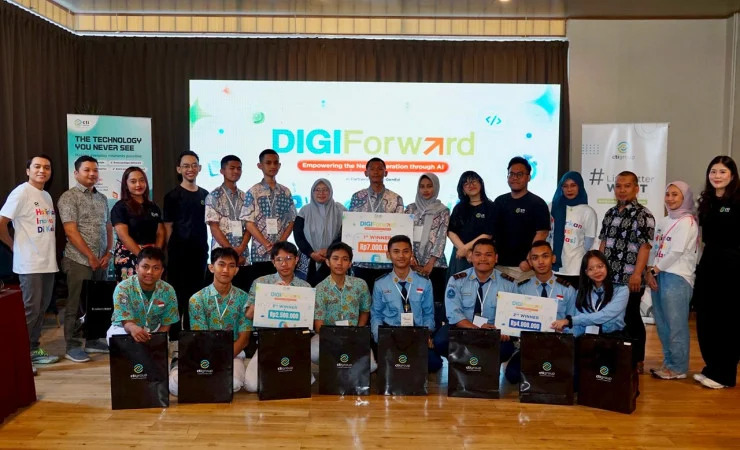
The rapid expansion of the global digital economy has transformed technical knowledge from a specialized advantage into a core requirement for workforce entry. Across Southeast Asia, public institutions and private enterprises face an urgent mandate to ensure young learners transition from passive technology consumers into active technological creators. PT Computrade Technology International, widely recognized as CTI Group, has taken a decisive step toward fulfilling this requirement by launching DigiForward 2026. This long-term corporate social responsibility initiative focuses on elevating technical skills, practical software capabilities, and career readiness across high school and vocational education institutions in Indonesia.
As digital ecosystems evolve, the necessity to foster structured tech literacy for students has reached a critical turning point. Standard educational curricula frequently struggle to keep pace with rapid developments in cloud architecture, cybersecurity protocols, and artificial intelligence frameworks. CTI Group bridges this structural gap by intervening directly at the secondary school level. Through structured learning modules, interactive software labs, and expert mentorship, DigiForward 2026 connects academic instruction with real-world enterprise requirements, helping young individuals build meaningful, future-ready skill sets.
Bridging the Technical Skill Gap in Modern Secondary Education
The core philosophy of DigiForward 2026 centers on establishing practical technical competencies early in a student's academic journey. Secondary education represents a crucial phase where foundational interests turn into career aspirations. However, traditional computer science subjects in high schools often focus primarily on general productivity tools or elementary programming concepts. While these topics provide a starting point, they leave a noticeable gap regarding enterprise technology standards such as automated workflows, containerized application environments, and cloud infrastructure operations.
By introducing contemporary technology subjects through hands-on learning, DigiForward 2026 ensures that tech literacy for students moves far beyond routine computer usage. Participants in the initiative gain structured exposure to vital IT domains, including basic network engineering, data protection principles, cloud management, and software development lifecycles. This realistic exposure gives students a practical understanding of how modern companies manage their digital operations. Furthermore, early experience with professional IT tools demystifies complex technology concepts, encouraging students to consider specialized higher education tracks and technical certifications with confidence.
Strategic Architecture of the DigiForward 2026 Program
To ensure lasting learning outcomes, CTI Group designed DigiForward 2026 around a multi-tiered framework rather than relying on one-off lectures or short presentation sessions. The initiative creates an interactive learning environment that actively engages students, vocational teachers, and experienced industry practitioners in an ongoing educational feedback loop.
Practical skill bootcamps serve as the operational core of the program. These intensive workshops utilize interactive virtual environments and real-world scenario exercises where students solve practical technical problems. Participants gain hands-on practice in configuring secure local networks, analyzing system activity logs, and managing simple cloud deployments. This interactive approach translates theoretical concepts into practical capability, reinforcing tech literacy for students through direct experience and team-based problem solving.
Mentorship from experienced enterprise professionals forms another central pillar of the initiative. CTI Group mobilizes its internal engineering teams, solution architects, and IT consultants to guide student teams throughout the program. These mentors provide practical advice on industry expectations, share personal career stories, and offer direct feedback on technical projects. This human connection builds student confidence and demonstrates that rewarding technology careers are achievable through steady, focused effort.
Empowering Educators to Ensure Sustainable Impact
A major factor in building sustainable educational initiatives is empowering the teachers who guide students every day. For any corporate social responsibility initiative to produce lasting community benefits, educators must receive the same level of support and development as their students. DigiForward 2026 addresses this need by incorporating specialized train-the-trainer workshops designed specifically for computer science and vocational instructors.
By providing teachers with access to updated industry insights, modern software tools, and continuous technical support, the initiative creates a positive ripple effect throughout participating schools. Instructors gain updated learning materials, standardized laboratory frameworks, and direct channels to CTI Group engineers for technical advice. This collaborative approach ensures that enhanced tech literacy for students remains a lasting feature of the school curriculum long after individual corporate workshops end. Participating institutions can continuously refine their technical courses for incoming student cohorts, creating a permanent educational asset within local communities.
Supporting National Digital Transformation and Economic Goals
Indonesia's broader economic plans, particularly national roadmaps aimed at economic modernization toward 2045, rely heavily on developing a skilled, adaptable technical workforce. Sustaining national growth in a technology-driven global marketplace requires a steady pipeline of competent technicians, software developers, and system administrators capable of building and maintaining complex digital infrastructure.
Initiatives such as DigiForward 2026 serve as practical contributors to these national goals. By extending specialized technical training to high schools and vocational institutions across multiple regions, CTI Group helps widen access to modern technical education. Promoting comprehensive tech literacy for students across varied geographical areas creates broader opportunities for young people, ensuring that talented individuals from diverse backgrounds can participate in the digital economy.
When young learners develop strong technical foundations, they become better positioned to secure quality employment, start innovative technology ventures, or excel in advanced university degrees. The positive impact of these educational opportunities extends to local communities, boosting local economic resilience and fostering innovation across regional centers.
Building the Future of Technology Literacy Through Industry Partnerships
The roll-out of DigiForward 2026 demonstrates the important role private sector technology companies play in supporting public education. As technological change continues to accelerate, cooperation between business leaders, educational institutions, and policy makers becomes increasingly essential for maintaining relevant, practical learning programs.
CTI Group's DigiForward 2026 offers a practical example of how corporate initiatives can strengthen community education. Combining structured skill building, professional mentorship, teacher training, and sustained institutional support creates a adaptable model for educational partnerships. Expanding these collaborative efforts across broader regions will remain crucial to preparing the next generation of students with the practical skills, critical thinking capabilities, and confidence required to succeed in a rapidly changing world.
Read More