





 Wednesday, 09-09-26








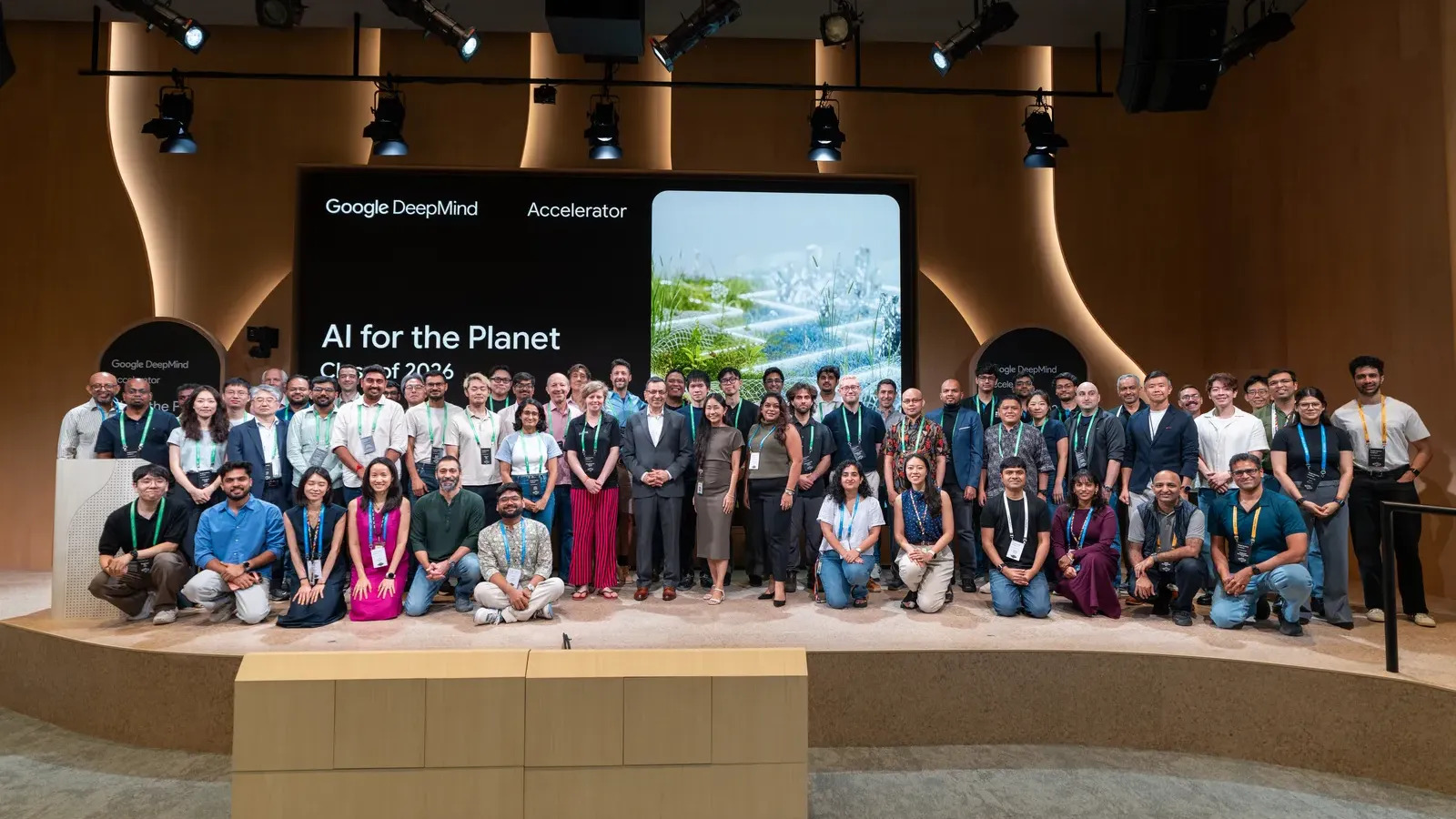
The global technological landscape is undergoing a massive transformation driven by advancements in machine learning, neural networks, and generative artificial intelligence. In Southeast Asia, Indonesia has emerged as a premier hub for digital entrepreneurship, transitioning rapidly from basic e-commerce platforms to sophisticated tech frameworks. The recent selection of two pioneering Indonesian companies for the prestigious Google DeepMind Accelerator program represents a pivotal milestone. This achievement underscores the rising technical capability, innovative vision, and market scalability of digital ventures emerging from the archipelago, marking a landmark moment for Indonesian AI startups on the global stage.
As artificial intelligence moves from theoretical research into practical enterprise implementation, access to high-tier compute resources, specialized technical mentorship, and advanced research models has become critical. The inclusion of local technology pioneers in Google DeepMind's specialized accelerator program provides these companies with direct exposure to world-class engineering expertise. This collaboration not only validates the technical rigor of local software developers, but also accelerates the growth of localized artificial intelligence solutions engineered to address complex challenges across Southeast Asia.
Overview of the Google DeepMind Accelerator Program
The Google DeepMind Accelerator initiative is structured as an intensive cohort-based program designed to empower high-potential technology companies leveraging artificial intelligence to solve critical industry challenges. Unlike generalized startup incubators that focus primarily on foundational business administration, pitch decks, and initial fundraising, this program places heavy emphasis on advanced technical architecture, model performance, and scalable cloud infrastructure.
Participants selected for the program receive direct guidance from Google DeepMind researchers, software architects, and machine learning experts. The curriculum offers tailored support on neural network design, advanced fine-tuning methodologies, compute efficiency, and responsible deployment practices. Furthermore, selected startups gain access to substantial equity-free funding support in the form of Google Cloud credits. This infrastructure support enables technical teams to build, train, and deploy resource-intensive machine learning models without incurring prohibitive overhead costs during their formative growth stages.
Through structured technical workshops, one-on-one engineering consultations, and product execution strategy sessions, the accelerator equips founders with the tools necessary to scale their solutions globally while maintaining rigorous ethical and technical standards.

Profiles and Technological Innovations of Selected Startups
The two selected companies exemplify the technical depth currently emerging within the regional software engineering ecosystem. By applying machine learning models to complex, domain-specific problems, these ventures showcase how localized technological solutions can yield significant operational efficiency and broader economic impact.
The first selected venture focuses on enterprise process automation and localized conversational intelligence. By building customized large language model interfaces tailored specifically to regional dialects, cultural contexts, and complex linguistic nuances, the platform enables enterprises to automate customer engagement, workflow processing, and internal knowledge management. The integration of context-aware natural language processing allows large businesses to maintain operational precision while drastically reducing response latency and manual resource allocation.
The second venture targets critical operational challenges within healthcare technologies and predictive diagnostic software. Utilizing computer vision algorithms and predictive analytics, the company provides decision-support tools designed to assist medical practitioners operating in remote and underserved areas. By analyzing complex medical imaging datasets and patient telemetry, the software aids in early disease detection and triage management. This application demonstrates the transformative potential of artificial intelligence when adapted to overcome physical infrastructure limitations in emerging markets.
Strategic Importance for Southeast Asia's Ecosystem
The selection of these two ventures highlights the growing strategic importance of Southeast Asia in the global technology arena. With a population exceeding 270 million people, high mobile internet adoption, and a rapidly expanding digital market, Indonesia presents an ideal testing environment for scalable machine learning applications. Global technology organizations and venture capital funds are increasingly recognizing that Indonesian AI startups are uniquely positioned to solve localized challenges that standard off-the-shelf Western technology models cannot address effectively.
Regional consumer behaviors, diverse linguistic landscapes, and unique supply chain structures require custom algorithmic frameworks. Standard foundational models developed in North America or Europe often fail to account for local market conditions, such as unstructured logistics data, informal commercial networks, or complex regional dialects. Consequently, local software engineers who combine deep contextual understanding with modern machine learning methodologies hold a substantial competitive advantage in delivering market-ready software solutions.
Overcoming Challenges in Regional Artificial Intelligence Development
While the growth potential remains vast, building enterprise-grade software platforms in emerging markets presents distinct operational hurdles. Despite rapid technological advancements, Indonesian AI startups face unique operational and structural challenges that require sustained strategic investment and institutional support.
- Data Accessibility and Quality: Training high-accuracy machine learning models requires large datasets that are structured, clean, and representative. Across many Southeast Asian industries, critical operational data remains fragmented, unstandardized, or stored within legacy offline systems.
- Specialized Talent Acquisition: Developing cutting-edge deep learning models requires specialized talent, including machine learning engineers, data scientists, and specialized product architects. Competition for top-tier technical talent is global, making talent retention an ongoing priority for growing ventures.
- Compute Infrastructure Costs: High-performance hardware, particularly specialized Graphics Processing Units required for model training and real-time inference, remains capital-intensive. Managing compute expenses is critical for seed-stage and series-A software platforms.
- Regulatory Compliance and Data Privacy: Navigating evolving data protection legislation, cross-border data transfer regulations, and privacy standards requires dedicated legal and technical compliance frameworks.
By participating in high-level acceleration programs, local founders gain access to structural frameworks, infrastructure credits, and guidance on regulatory governance, enabling them to address these systemic challenges effectively.
Future Prospects and Industry Scale
The recognition of local tech leaders by international research institutions creates a positive ripple effect throughout the broader regional entrepreneurship ecosystem. Beyond immediate advantages like cloud infrastructure credits and engineering guidance, this global visibility raises the overall international profile of Southeast Asian technology products.
As these accelerated startups demonstrate measurable commercial outcomes, they attract further interest from global institutional investors, corporate enterprise partners, and high-level technical talent. This momentum fosters a positive feedback loop, encouraging regional universities to expand computer science research initiatives and inspiring local developers to pursue ambitious engineering projects. The recognition of these ventures provides immense validation for Indonesian AI startups seeking international capital and broader cross-border expansion opportunities.
Furthermore, the implementation of these intelligent software platforms across key sectors such as healthcare, logistics, financial services, and public administration drives broad enterprise modernization. As regional enterprises integrate predictive analytics and automated workflows, overall systemic productivity increases, strengthening regional economic competitiveness.
The Path Ahead for Local Technology Pioneers
The inclusion of two local technology companies in the Google DeepMind Accelerator marks an important shift in the evolution of regional digital ecosystems. It reflects a transition from digital adoption to direct technological innovation, proving that developers in emerging economies are actively shaping the future of global machine learning software.
By pairing deep regional knowledge with modern enterprise computing infrastructure, local engineers are creating effective solutions for critical real-world problems. Sustained collaboration between global tech conglomerates, local enterprise partners, educational institutions, and venture investors will remain essential to maintaining this upward trajectory. Ultimately, the inclusion of local founders in global acceleration initiatives ensures that Indonesian AI startups will continue to shape the digital economy, proving that impactful technological innovation is truly global in scope.
Read More