





 Tuesday, 20-10-26








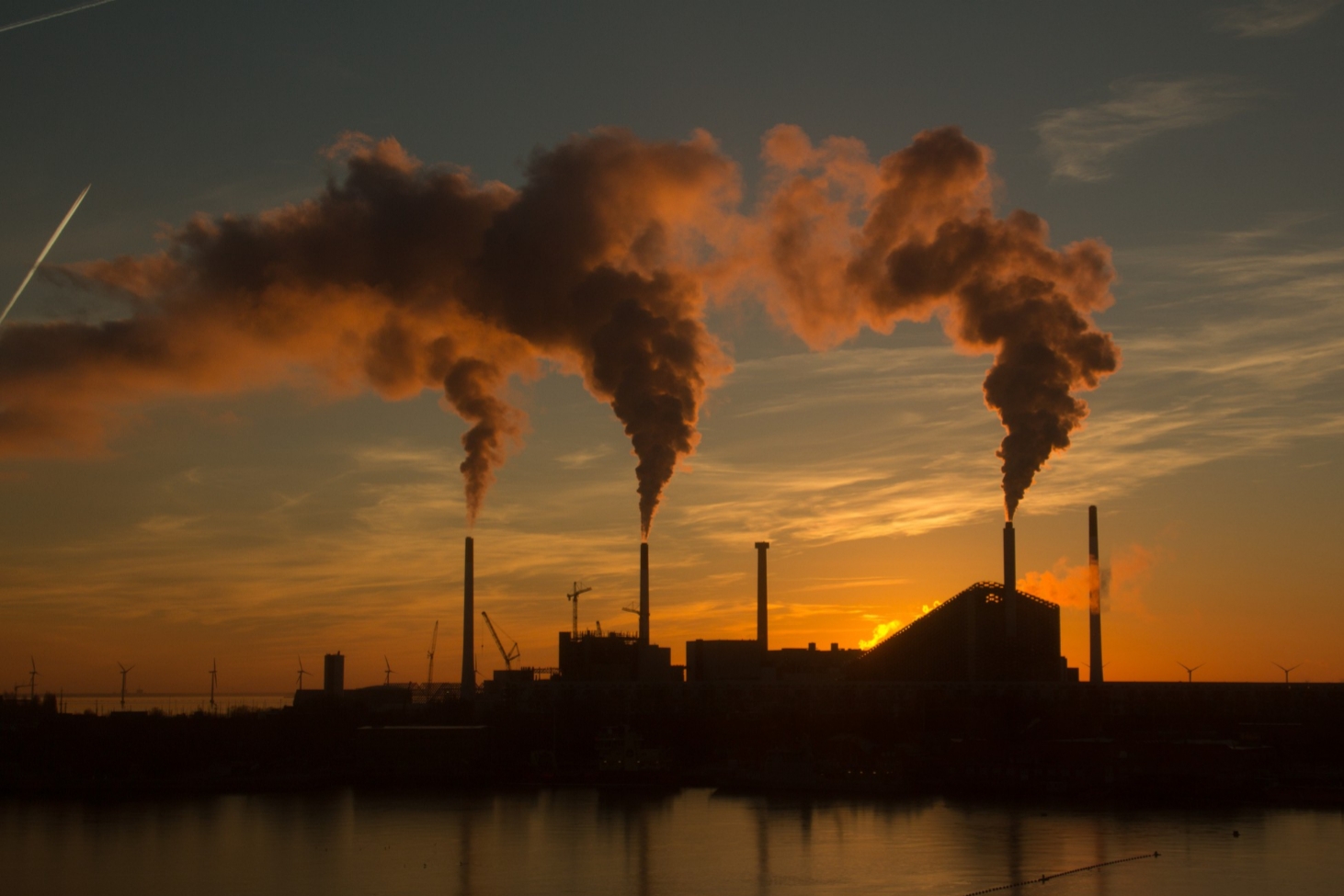
Indonesia’s Ministry of Energy and Mineral Resources (ESDM) is strengthening regulatory certainty and developing the national ecosystem for Carbon Capture and Storage (CCS) and Carbon Capture, Utilization, and Storage (CCUS) to support national energy policy and the transition to low-carbon energy, as stated during the International and Indonesia Carbon Capture and Storage (IICCS) Forum 2026 in Jakarta (26/08).
Dwi Adi Nugroho, Coordinator for Non-Conventional Oil and Gas and Carbon Storage, represented the Director of Upstream Oil and Gas Business Development at the forum. The event carried the theme “From Policy Foundation To Implementation: Governing CCS For Decarbonization Strategy” and was held at Hotel Mulia Senayan, Jakarta.
Indonesia Strengthens CCS/CCUS Regulatory Framework
The government has reaffirmed its commitment to providing clear and certain regulations for CCS and CCUS development.
“The issuance of the Presidential Regulation on CCS marks an important milestone in the Indonesian Government’s commitment to providing regulatory certainty and clarity. At the same time, the oil and gas sector will continue to play a pioneering role, supported by its subsurface expertise and operational experience, which can be adopted in other potential projects,” Dwi said.
The oil and gas sector is expected to continue serving as a pioneer because of its expertise in subsurface activities and operational experience that can be adopted for other potential projects.
The government also sees Indonesia’s geological advantages and strategic position as an opportunity to develop the country into a regional Carbon Storage Hub in Southeast Asia. This development is expected to support green investment, create tens of thousands of jobs, and contribute to national decarbonization targets.
Indonesia Has 500 Giga Tons of Carbon Storage Potential
Indonesia has significant potential for carbon storage in geological formations.
“Indonesia has the largest sedimentary basins in Southeast Asia. Based on studies by our colleagues at Lemigas, we have potential carbon storage capacity of up to 500 Giga Tons in saline aquifers and 4 Giga Tons in depleted oil and gas reservoirs. This significant potential is an important asset for connecting greenhouse gas emission sources from various industrial sectors, such as oil refineries, petrochemical facilities, and power plants, as part of CCS/CCUS development,” Dwi said.
Studies by Lemigas indicate that Indonesia has potential carbon storage capacity of 500 Giga Tons in saline aquifers and 4 Giga Tons in depleted oil and gas reservoirs.
The government considers this potential an important asset for connecting greenhouse gas emission sources from various industrial sectors, including oil refineries, petrochemical facilities, and power plants, as part of CCS/CCUS development.
Government Develops CCS/CCUS Carbon Trading Framework
The government has also issued regulations covering activities throughout the CCS/CCUS value chain.
Government Regulation No. 28 of 2025 on the Implementation of Risk-Based Licensing includes the Indonesian Standard Industrial Classification (KBLI) for activities across the CCS/CCUS chain.
The government is also working to create economic value from CCS/CCUS activities. Under Presidential Regulation No. 110 of 2025 on Carbon Economic Value (NEK), the Ministry of Energy and Mineral Resources is preparing implementing regulations focused on carbon trading in the energy sector.
“We propose that CCS and CCUS be included as mitigation actions in the energy sector under the Carbon Economic Value (NEK) framework. Thus, the value generated would not only come from storage valuation, but also from the value of carbon credits themselves,” Dwi said.
The proposal would include CCS and CCUS as mitigation actions in the energy sector under the NEK framework, so their economic value would come not only from storage valuation but also from carbon credits.
CCS/CCUS Infrastructure Supports Blue Hydrogen and Ammonia
The government has also stressed the need to align the CCS/CCUS development roadmap with the development of low-carbon hydrogen and ammonia industries.
CCS/CCUS infrastructure readiness is considered important for the development of blue hydrogen and blue ammonia to meet decarbonization standards.
“The readiness of CCS/CCUS infrastructure greatly affects the development of blue hydrogen and blue ammonia to meet decarbonization standards. Without infrastructure availability and certainty over carbon injection operations, fossil-based hydrogen production will struggle to meet low-carbon criteria, blue ammonia risks losing legitimacy in the market, and the risk of stranded assets will increase. Therefore, CCS/CCUS infrastructure development needs to proceed in parallel with, or ideally slightly ahead of, the development of hydrogen and ammonia,” Dwi said.
The government therefore said CCS/CCUS infrastructure development needs to proceed in parallel with the development of hydrogen and ammonia, or ideally slightly ahead of it.
Safety and Technology Readiness Remain Priorities
Safety, technological reliability, and lessons learned from international projects are also priorities as Indonesia approaches CCS/CCUS commercialisation toward 2030.
“The public and business community want to ensure that this technology is safe and ready to be implemented. We need to learn from projects that are already operating globally, both from their successes and the challenges they have faced. Through these lessons and stronger international cooperation, we will be much better prepared and more confident in implementing CCS/CCUS projects in Indonesia,” Dwi said.
The government considers experience from operating global projects and stronger international cooperation important in preparing Indonesia to implement CCS/CCUS projects.
PHOTO: UNSPLASH
This article was created with AI assistance.
We make every effort to ensure the accuracy of our content, some information may be incorrect or outdated. Please let us know of any corrections at [email protected].
Read More