





 Monday, 12-10-26








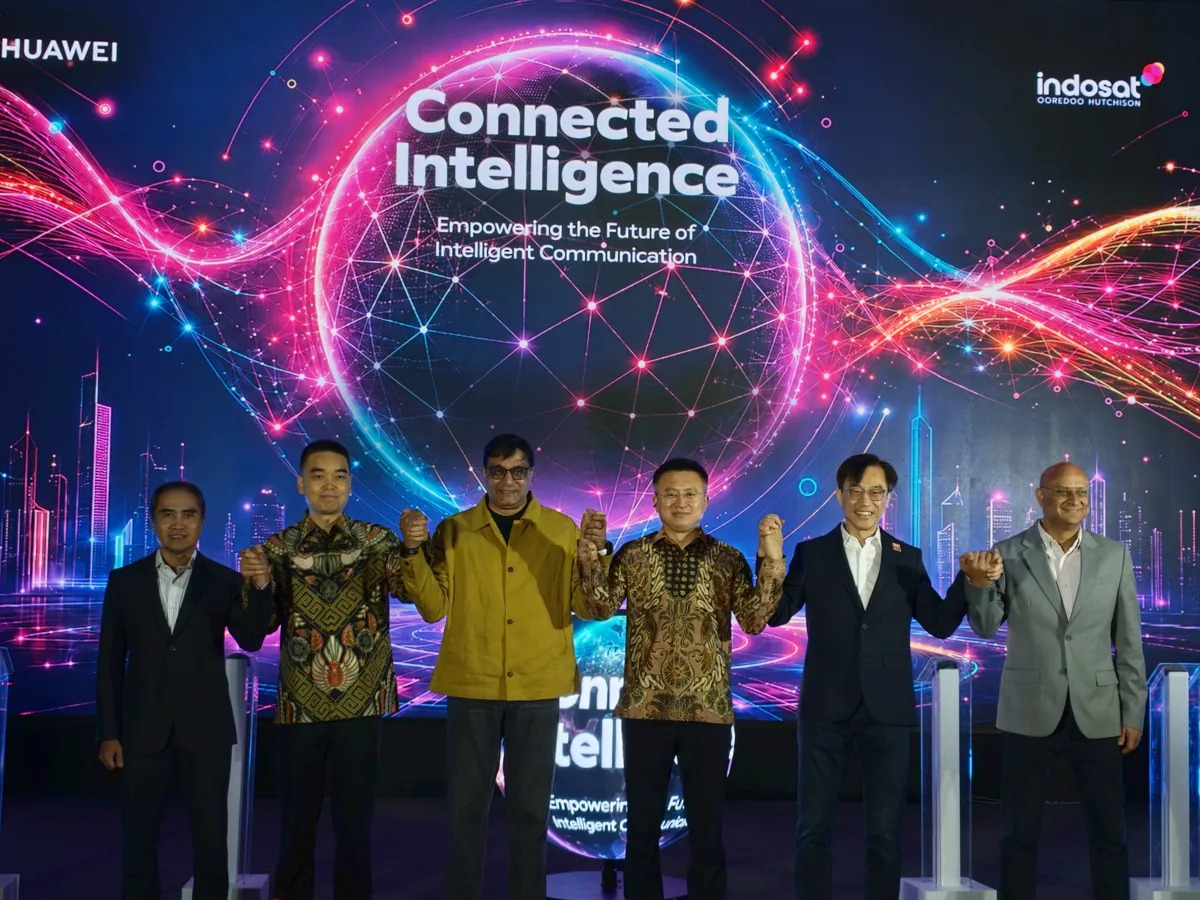
Mobile telecommunications has entered a new phase of evolution where basic connectivity gives way to intelligent interaction. For decades, voice calls remained relatively unchanged, serving primarily as a standard audio channel between two parties. However, recent joint initiatives between leading telecommunication operators and global technology providers are shifting this paradigm. The introduction of AI New Calling technology represents a major step forward, turning traditional voice calls into interactive, multimodal digital experiences.
By embedding artificial intelligence directly into the network architecture rather than relying solely on third-party mobile applications, telecom providers are creating seamless solutions for everyday communication challenges. From eliminating background noise in crowded public spaces to translating foreign languages in real time, these advancements aim to make voice calling far more versatile. This article examines the core innovations behind this shift, exploring key use cases, supporting cloud solutions, and the broader implications for users and enterprises alike.
The Convergence of Artificial Intelligence and Next Generation Telecommunications
The telecommunications sector is currently navigating a period of profound structural change. With the expansion of 5G networks and the growing complexity of multi-cloud environments, operators are turning to artificial intelligence to unlock new value for consumers and businesses. The introduction of AI New Calling technology illustrates how network infrastructure can be enhanced to deliver real-time intelligence directly to end-user devices without requiring specialized hardware upgrades.
Traditionally, mobile operators competed primarily on network coverage, call quality, and data pricing. In today's landscape, differentiation depends on the ability to offer personalized, value-added digital services. Telecommunication giants such as Indosat Ooredoo Hutchison in Indonesia, in collaboration with Huawei, are demonstrating how agentic artificial intelligence can reshape the core calling experience. By transforming standard audio calls into feature-rich communication channels, networks are becoming proactive platforms capable of assisting users during live conversations.
This strategic alignment between telecom networks and artificial intelligence relies on heavy back-end integration. By processing data intelligence at the network edge, latency is minimized, allowing real-time tasks like voice translation and noise suppression to occur without perceptible delays. As a result, users gain access to sophisticated tools directly through their native dialers, bypassing the need to download extra third-party software.
Four Practical Use Cases Transforming Voice Communications
To appreciate how artificial intelligence changes mobile communication, it helps to examine the practical applications currently being deployed. The framework built around AI New Calling technology introduces four major use cases designed to address long-standing communication obstacles.
First, two-way AI noise-reduction calling solves the universal problem of background noise. Whether a user is calling from a noisy construction site, a crowded train station, or a windy outdoor area, advanced algorithms filter out unwanted ambient sound from both ends of the call simultaneously. Unlike traditional single-side noise suppression built into specific phone hardware, network-level two-way cancellation ensures both caller and recipient experience clear audio regardless of their surrounding environments.
Second, real-time call translation eliminates language barriers during live conversations. During a call, the system translates speech instantly into the recipient's preferred language, providing both audio translation and live text subtitles on the smartphone screen. This capability opens up new possibilities for international business negotiations, cross-border customer support, and personal travel communication without relying on external translation tools.
Third, interactive visual voice calling upgrades traditional audio support into rich visual experiences. During customer service calls, such as ordering food or booking hotel accommodations, users can view interactive menus, check room availability, and confirm selections on their screen while remaining on the line. This bridge between audio and visual data significantly speeds up transactions and reduces misunderstandings.
Fourth, individualized avatar calling, also known as IDOLCALL, introduces an engaging element of personalization and entertainment. Users can select digital avatars of popular figures, celebrities, or digital intellectual property to display on screen during calls. This feature appeals to younger demographics while opening creative avenues for brand marketing and interactive customer engagement.
Interactive Visual Features and Virtual Avatars in Modern Telephony
The addition of visual elements to standard voice calls represents a major shift in user experience design. Historically, callers had to rely entirely on spoken instructions when interacting with automated call centers or enterprise support desks. Navigating complex voice menus often led to frustration and dropped calls.
With interactive visual integration, mobile calls function more like dynamic web applications. When a customer dials a merchant or support service, an interactive interface can appear on their screen. A customer placing a food order, for example, can browse through digital visual items, select preferences, and confirm payment details in real time while speaking with a service representative. This combination of voice and visual interfaces creates a streamlined experience that benefits both businesses and consumers.
Similarly, the rollout of digital avatars provides novel ways for brands and users to represent themselves during calls. Beyond consumer entertainment, companies can deploy customized branded avatars for virtual customer representatives. These digital figures provide a visual identity during routine service calls, creating a consistent brand presence across all customer touchpoints.
Intelligent Cloud Storage and Autonomous Network Management
The transformation of voice calling does not occur in isolation. It forms part of a broader ecosystem designed to manage digital content and network operations intelligently. Alongside AI New Calling technology, telecom innovators are deploying intent-driven cloud storage solutions to simplify content management for users.
Modern cloud drives are evolving beyond passive file storage. Smart document management tools now use artificial intelligence to analyze uploaded files, automatically transcribe recorded audio notes, and generate concise summaries of long meeting discussions. Meanwhile, integrated photo enhancement features automatically adjust image resolution, restore older photos, and apply intelligent edits to elevate overall image quality to high-definition standards.
On the operational side, maintaining high service quality across complex networks requires increasingly autonomous management. Operators are implementing self-learning network systems capable of monitoring performance, anticipating potential disruptions, and self-correcting issues in real time. By advancing through network autonomy levels, operators have significantly reduced network downtime, decreased consumer service complaints, and minimized enterprise disruptions. This operational efficiency is essential to maintaining the low-latency, high-reliability requirements of modern communication tools.
The Impact of Connected Intelligence on Consumer and Enterprise Experiences
The integration of artificial intelligence into everyday mobile connectivity yields tangible benefits for diverse user groups. For individual consumers, the technology transforms routine phone calls into more productive, enjoyable experiences. Clear audio in loud environments reduces fatigue, while real-time translation makes cross-cultural conversations straightforward and accessible.
For enterprise clients and small businesses, the adoption of AI New Calling technology opens new operational efficiencies. Customer support centers can resolve inquiries faster through interactive visual interfaces, reducing average handle times and improving customer satisfaction scores. Furthermore, sales teams operating internationally can converse with foreign clients without requiring human translators on every call.
As telecommunication providers continue building connected intelligence ecosystems, the boundary between network operator and digital service provider becomes increasingly fluid. Operators are no longer just delivering connectivity; they are actively augmenting human communication through intelligent digital tools embedded directly into the network.
Looking Ahead to the Next Generation of Mobile Innovation
The launch of advanced calling innovations marks the beginning of a broader transformation in global telecommunications. As artificial intelligence models become more compact, efficient, and deeply integrated into edge computing architecture, mobile networks will continue offering higher levels of personalization and automation.
In the coming years, we can expect voice calls to become even more context-aware. AI systems embedded in networks may soon offer predictive assistance during calls, instantly providing relevant documents or scheduling calendar appointments based on conversational context. Furthermore, as 5G and future 6G networks expand, the fusion of augmented reality with visual voice calling will create fully immersive virtual meeting environments on standard mobile devices.
Ultimately, technological progress achieves its greatest value when it simplifies human life and brings people closer together. By turning routine phone calls into clear, translation-ready, and visual experiences, telecommunications pioneers are laying the groundwork for a more connected and accessible future for users worldwide.
Read More