





 Monday, 12-10-26








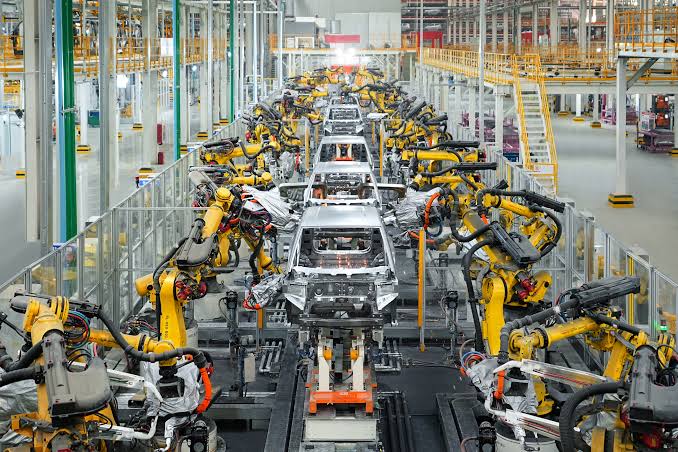
Indonesian Transmigration Minister M Iftitah Sulaiman Suryanagara said resistance from residents in Subang, West Java, toward an electric vehicle (EV) investment plan was driven by concerns that local people would not receive the skills needed to work in the industry (24/08). He made the statement after the Transmigration Executive Dialogue in Jakarta on Monday.
Why Subang Residents Opposed the EV Investment
Iftitah said the residents' response was not simply because they rejected investment. He explained that they were concerned about being affected by industrial development without receiving the skills needed to work in the industry.
Iftitah said he had discussed the EV investment plan in Subang with China's Ambassador to Indonesia. During the discussion, the ambassador asked why local residents appeared to be opposed to the investment.
"I explained it as simply as possible. They were involved but were not given skills, so that later their skills would be ready to be absorbed by the industries provided by investors. If that does not happen, they will certainly fight back," Iftitah said.
He said communities living around industrial areas should be prepared to become part of the economic ecosystem created by the investment, rather than only becoming landowners affected by development.
Local Training Can Increase Community Support
Iftitah cited the Melolo transmigration area in East Sumba, East Nusa Tenggara, as an example of how local workforce participation can change the relationship between communities and industry.
The sugar industry in the area initially faced resistance from local residents. Trucks used for industrial activities were even stopped by residents.
The situation changed after local residents received training and opportunities to work in the industry. Iftitah said 85 percent of the industry's workforce was eventually recruited from the local community.
"Since the local community in the Melolo transmigration area was given training, and then 85 percent of the industry's workforce was absorbed locally, the local community became the fortress of the industry there," Iftitah said.
According to Iftitah, the example shows that industries can receive greater acceptance when local communities also benefit from economic activities in their area.
"Because the life and death of the industry concerns the life and death of the people living there," he said.
Government Wants to Prepare Local Skills Before Industry Arrives
Iftitah said the government wants to apply this approach more broadly through its current transmigration programs, including Transmigration Patriot.
The program is directed at bringing academics, researchers and skilled human resources to identify the economic potential of an area before an industry enters.
The government wants workforce needs in each area to be mapped from the beginning. Local communities can then be prepared with skills that match the needs of industries planned for the area.
"What we want is for those excellent human resources to be present in regions and areas of land that have already been examined by industries for future use," Iftitah said.
Several areas are currently included in the mapping process, including Batam, Papua and West Sulawesi, which has potential for rare earth metals.
Investment Should Support the Local Economic Ecosystem
Iftitah also said industries entering a region should build an economic ecosystem around their operations.
He cited the mining industry in North Maluku, which he said employs around 60,000 workers. However, the industry's catering needs are still supplied from Java.
"It should be supplied by the local community there. If the context is like that, then the economy will come alive and the local economy will also grow significantly," Iftitah said.
Iftitah emphasized that the government's transmigration approach has also changed. Instead of placing communities first and then looking for economic opportunities, the government now wants to identify economic potential, prepare industries and jobs, and then prepare local communities to participate.
"The mindset has changed, that transmigration is no longer about placing people first and then looking at opportunities later, but looking at opportunities first and then placing people," Iftitah said.
He estimated that building an economic ecosystem could take five to 15 years, although development could be accelerated in areas that already have economic potential and investor interest.
The approach is part of the Trans Lokal policy, which is aimed at strengthening the capacity of communities around transmigration areas so they can grow in their own regions.
PHOTO: BYD
This article was created with AI assistance.
We make every effort to ensure the accuracy of our content, some information may be incorrect or outdated. Please let us know of any corrections at [email protected].
Read More