





 Friday, 09-10-26








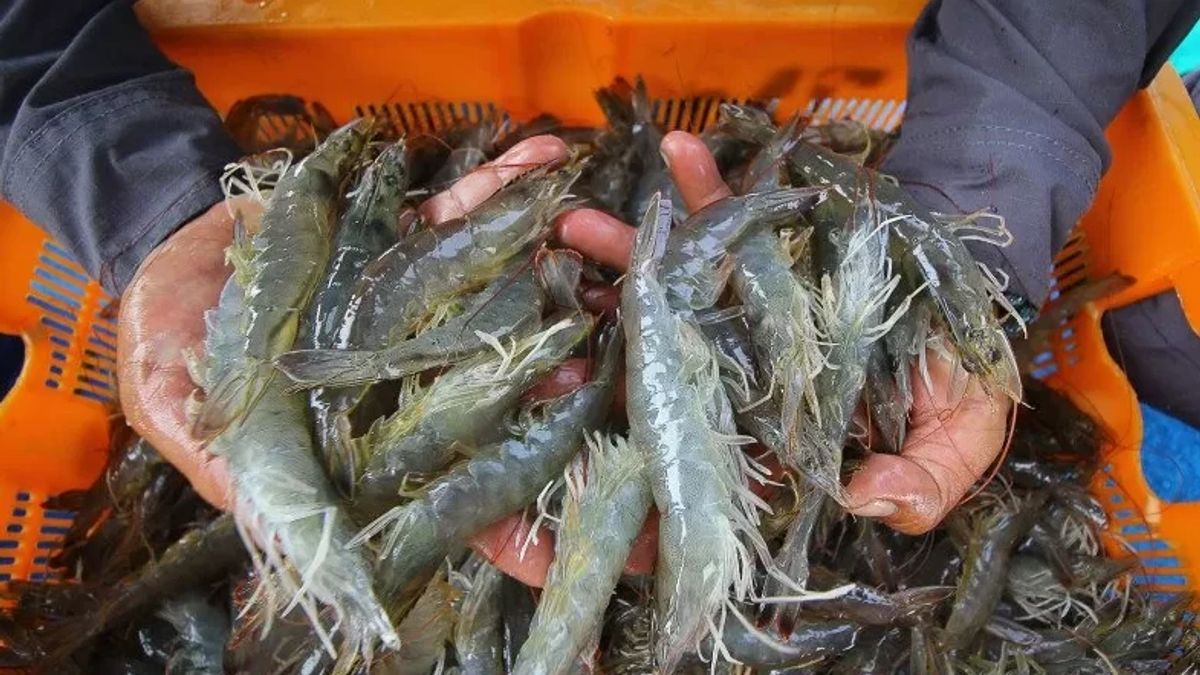
The global seafood supply chain has experienced significant structural realignments following recent adjustments to international trade policies. Regulatory rulings by the United States Department of Commerce concerning trade duties on foreign shrimp imports have provided Southeast Asian producers with a major commercial opening. Indonesia has emerged as a key beneficiary of these revised trade terms, as its seafood processing sector faces noticeably lower preliminary and final tariff margins compared to major regional competitors. This strategic pricing advantage signals a transformational phase for the Indonesian shrimp export market, positioning national producers to capture a larger share of North American consumer demand.
As the United States remains one of the largest consumer destinations for frozen and processed shrimp products globally, shifts in tariff structures exert immediate downstream effects across international trade channels. Indonesian suppliers, long recognized for high standards in food safety, biosecurity, and sustainable aquaculture, are now poised to leverage cost efficiencies to gain ground against rival market players. This article examines the core macroeconomic factors driving this trade shift, analyzes the competitive edge of Indonesian suppliers, and evaluates how local industry leaders plan to sustain long term commercial success.
Shift in Global Seafood Trade Dynamics
The international trade environment for cultivated shrimp is heavily dictated by import duties, anti-dumping regulations, and countervailing duty assessments enforced by major consuming nations. For decades, major producing countries such as Ecuador, India, Vietnam, and Indonesia have competed fiercely for market dominance in the lucrative North American retail and food service sectors. However, recent regulatory reviews initiated by American trade authorities led to the imposition of varying duty tariffs based on subsidization practices and market pricing evaluations across different exporting nations.
While several competing nations saw substantial anti-dumping and countervailing duties levied against their seafood exports, Indonesian exporters received lower duty assessments. This regulatory outcome effectively lowers the landing cost of Indonesian shrimp at ports across the United States. Consequently, international importers, distributors, and major grocery chains are actively restructuring their procurement networks to minimize duty expenditures. The resulting realignment of global trade routes provides a major commercial boost to the Indonesian shrimp export market, creating an unprecedented window of opportunity for domestic processors to secure long term supply contracts with major global buyers.
Understanding the Impact of US Tariff Adjustments
To fully grasp the commercial implications of these trade policy developments, it is essential to analyze how tariffs influence international procurement decisions. When import tariffs rise on products originating from specific nations, buyers face compressed profit margins or are forced to pass higher costs directly to consumers. In retail grocery networks and restaurant distribution chains where price sensitivity is high, even minor percentage variations in landed costs can fundamentally alter buyer purchasing behavior.
Because Indonesian exporters secured favorable tariff margins, their product catalog becomes substantially more attractive to price conscious procurement managers in North America. Importers seeking reliable supply volumes without the financial burden of heavy trade penalties are naturally pivoting toward Southeast Asian suppliers. This tariff advantage helps offset transportation expenses, making high quality frozen warmwater shrimp from Indonesia highly competitive against products from competing harvest regions. This improved price equilibrium has injected renewed optimism into the industry, bolstering confidence across the Indonesian shrimp export market.
Strategic Advantages of Indonesian Aquaculture
Beyond favorable tariff structures, Indonesia possesses inherent structural strengths within its national aquaculture framework. The nation boasts vast coastline areas suitable for brackish water pond cultivation, specialized hatcheries, and modern processing infrastructure. Over the past decade, domestic producers have invested heavily in modern farming technologies, improved biosecurity protocols, and high density pond management techniques designed to optimize harvest yields while maintaining water quality standards.
Furthermore, Indonesian shrimp production emphasizes rigorous quality control and international certification standards. Major processing facilities adhere strictly to Hazard Analysis Critical Control Point protocols and maintain certifications from international bodies such as the Aquaculture Stewardship Council and Best Aquaculture Practices. These international certifications guarantee that products entering foreign markets comply with strict food safety, traceability, and labor regulation guidelines. As North American consumers increasingly prioritize responsibly sourced seafood, these quality assurances give Indonesian suppliers a distinct market advantage that complements their favorable duty status.
Government Support and Supply Chain Enhancements
The growth trajectory of the Indonesian seafood industry is supported by strategic public sector initiatives and targeted government programs. The Ministry of Marine Affairs and Fisheries has prioritized the expansion of the national aquaculture sector as a key engine of national economic growth. Government policies focus on upgrading cold chain logistics, establishing specialized industrial processing zones, and supporting small scale farmers through modern equipment grants and technical training programs.
To capitalize on current market conditions, public agencies are collaborating with trade associations to streamline export documentation and enhance border inspection efficiency. Ongoing investments in port infrastructure and cold storage facilities are reducing handling times and preserving product quality prior to international shipping. By modernizing supply chain networks from farm ponds to container terminals, stakeholders are strengthening the overall Indonesian shrimp export market, ensuring that processing facilities can fulfill rising international orders without operational delays or quality degradation.
Overcoming Production Challenges and Market Risks
Despite favorable international trade conditions, Indonesian exporters must navigate several operational challenges to sustain long term growth. Aquaculture remains inherently vulnerable to environmental disruptions, water quality fluctuations, and biological risks such as Early Mortality Syndrome and White Spot Syndrome Virus. Unpredictable weather patterns can disrupt harvest cycles and affect raw material availability for processing facilities across key producing regions.
Additionally, global feed prices and international freight rates fluctuate, putting pressure on overall profit margins. To mitigate these operational risks, key stakeholders in the Indonesian shrimp export market are focusing on value addition. Rather than relying solely on raw frozen shrimp commodity sales, processors are expanding output of value added items, including peeled, cooked, breaded, and marinating ready to cook products. Value added seafood items command higher market margins, buffering producers against raw commodity price shifts and reinforcing overall industry profitability.
Long Term Outlook for Indonesian Seafood Exports
The prospective outlook for Indonesian seafood trade appears exceptionally positive as trade realignments take firm root in global markets. The combination of favorable tariff structures, stringent food safety compliance, and proactive government support places Indonesian producers in a strong strategic position. As United States seafood buyers seek to diversify supply chains to avoid geopolitical and regulatory volatility, Indonesia stands out as a reliable long term commercial partner.
To maximize these opportunities, local producers must continue prioritizing sustainable farming practices and technology adoption. Strengthening biosecurity measures, improving hatchery genetic selection, and expanding processing automation will be vital to maintaining price advantages over global competitors. By balancing volume growth with high environmental and quality standards, domestic suppliers can solidify their standing in international trade, ensuring bright prospects for the Indonesian shrimp export market for years to come.
Read More