





 Friday, 09-10-26








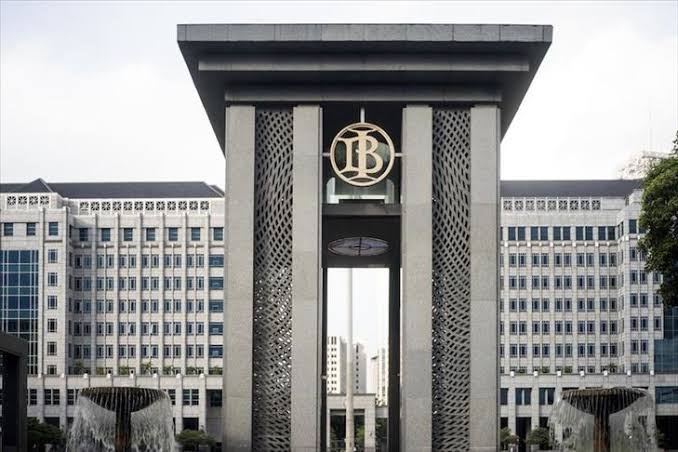
Navigating South East Asia's Shifting Trade and Capital Dynamics
The recent balance of payments statistics released by Bank Indonesia highlighted a significant macroeconomic adjustment. The primary metric tracking external monetary interactions, the national current account, experienced a widened deficit reaching $1.25 billion. Understanding the broader dynamics surrounding the Indonesia current account deficit is critical for macroeconomists, policymakers, and international investors who monitor Southeast Asia's largest economy. This financial shift comes after periods of robust trade surpluses fueled by high global commodity prices, signaling a transition into a more normalized and challenging international trade landscape.
A country's current account captures the net balance of trade in goods and services, primary income flows such as dividends and interest payments, and net secondary transfers. When this calculation yields a negative output, it signifies that the total value of goods, services, and net income transferred abroad exceeds the combined value of exports and incoming foreign payments. While a deficit of $1.25 billion remains manageable within broader macroeconomic parameters, representing a minor fraction of overall Gross Domestic Product, the rapid pace of its expansion requires systematic examination.
Key Drivers Behind the Deficit Expansion
Several interrelated global and domestic factors contributed to the widening Indonesia current account deficit. On the merchandise trade front, global commodity prices have gradually moderated from the historical highs seen in previous years. Key export commodities for Indonesia, including crude palm oil, coal, and nickel derivatives, faced notable price normalizations due to shifting industrial demand in major markets such as China and Europe. Consequently, export revenues experienced a downward consolidation even as physical export volumes remained relatively sturdy.
Simultaneously, domestic economic activity within Indonesia stayed vibrant, maintaining a steady demand for imported products. Robust consumer spending, ongoing national infrastructure initiatives, and domestic industrial manufacturing required continuous imports of capital goods, raw materials, and refined energy products. This sustained appetite for foreign goods systematically compressed the merchandise trade surplus that had previously buffered the balance of payments.
Beyond physical goods, structural factors within the services and primary income accounts contributed significantly to the expanding gap. Indonesia traditionally operates a deficit in its services balance, largely driven by international freight, shipping logistics, and insurance services provided by foreign enterprises. Furthermore, the primary income account consistently records net outflows during specific fiscal quarters when foreign corporate investors repatriate profits, distribute dividends, and service external debt commitments.
Implication for Foreign Exchange Reserves and the Rupiah
The structural movement of the current account balance exerts direct pressure on currency valuation and central bank liquidity management. Managing the Indonesia current account deficit effectively requires Bank Indonesia to balance economic growth goals with monetary stability. A expanding current account gap can create downward pressure on the domestic currency if capital account inflows do not fully offset net current foreign exchange outflows.
To insulate the national currency from sudden exchange rate volatility, monetary authorities rely on foreign exchange reserves to maintain market equilibrium. Maintaining substantial foreign currency buffers allows the central bank to intervene in spot and domestic non-deliverable forward markets when temporary liquidity squeezes occur. Alongside direct interventions, central bank instruments such as high-yielding securities are deployed to attract international portfolio investments into domestic financial markets.
Monetary managers must also keep a close watch on interest rate differentials between domestic rates and benchmark policy rates from major central banks. Preserving an attractive yield premium is vital to ensure that foreign capital remains in local government securities, thereby strengthening the financial account to counterbalance current account shortfalls.
Industrial Downstreaming and Structural Economic Reform
To address external balance vulnerabilities over the long term, national economic strategy has emphasized industrial downstreaming policies. This structural initiative aims to shift the domestic economy away from unrefined raw material exports toward domestically processed, higher value-added manufactured products. Expanding processing capabilities, particularly within the nickel, aluminum, and copper industries, provides a long-term buffer against external economic shocks.
Without these downstreaming reforms, the expansion of external trade deficits during periods of falling raw commodity prices could have been far more severe. Processing raw minerals domestically enhances export unit values and creates an integrated industrial ecosystem that attracts foreign direct investment. Expanding downstreaming programs across agriculture and manufacturing will remain vital to improving structural balance parameters over time.
Comparative Perspective Across Regional Emerging Markets
Evaluating the financial trajectory requires contrasting domestic balance of payments metrics against regional peers across Emerging Asia. Nations such as Vietnam, Thailand, Malaysia, and India face similar global trade pressures, including shifting import demands from Western economies and fluctuating international energy costs.
Indonesia maintains a solid foundation due to conservative fiscal management and statutory public debt limits, which provide resilience against sudden external capital movements. Unlike smaller regional economies heavily reliant on single export categories or external tourism, Indonesia benefits from a substantial domestic consumer base. Nevertheless, reliance on foreign capital to finance net service and income deficits underlines the importance of maintaining strong investor confidence through consistent regulatory frameworks.
Strategic Policy Options for Long-Term Balance
Addressing the underlying factors driving recurring current account deficits requires comprehensive policy coordination across monetary, fiscal, and industrial channels. Developing domestic shipping lines and expanding local maritime logistics capabilities represent essential steps toward reducing reliance on international transport providers, thereby narrowing the services account deficit.
Additionally, expanding the domestic tourism industry offers a clear mechanism to boost services receipts. Encouraging foreign visitor arrivals creates direct foreign exchange revenue that can help offset outward travel expenditures by domestic citizens. On the trade front, diversifying commercial partnerships toward growing markets in Latin America, Africa, and the Middle East can cushion export sectors against regional economic slowdowns.
Future Economic Outlook and Market Considerations
Looking forward, addressing the Indonesia current account deficit will depend on sustained industrial reform and domestic demand resilience. While periodic expansions in the deficit are normal during phases of domestic investment growth, maintaining the deficit within sustainable limits is crucial for long-term economic stability.
Financial market participants will closely track future quarterly balance of payments releases, trade figures, and central bank guidance. A balanced policy strategy combining proactive exchange rate stabilization, fiscal prudence, and industrial modernization will ensure the national economy maintains its long-term growth trajectory.
In conclusion, while the Indonesia current account deficit presents manageable risks, it serves as an important barometer for underlying trade trends and structural foreign exchange flows. Through strategic industrial upgrades and proactive policy measures, the economy remains well-positioned to navigate shifting global market dynamics successfully.
Read More