





 Tuesday, 22-09-26








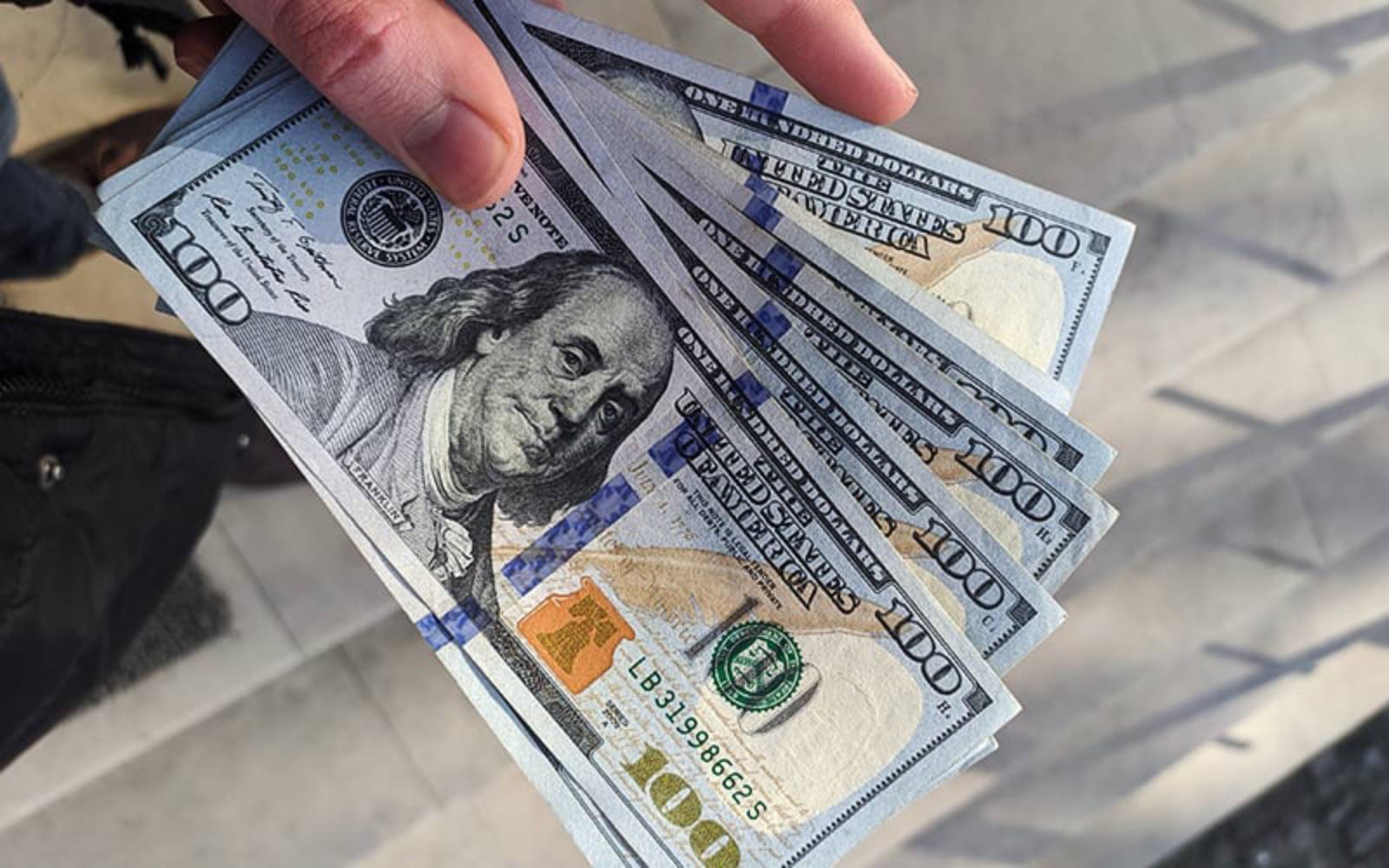
The US dollar is under pressure again, and this time the trigger is a softer inflation reading that has changed how traders think about the Federal Reserve. Reuters reported that the greenback slipped after U.S. consumer prices rose more slowly than expected in June, with the annual CPI rate easing to 3.5% and prices falling 0.4% on the month. That kind of slowdown usually does not end every rate debate, but it is enough to shift the tone in currency markets.
What makes this move important is the timing. The market had been leaning toward a stronger dollar narrative, helped by expectations that the Fed could still tighten policy if inflation stayed sticky. Instead, the latest data gave traders a reason to rethink that view. Reuters said the dollar index slipped to 100.81, while the yen, euro, pound, Australian dollar, and New Zealand dollar all found varying degrees of support.
Why The US Dollar Lost Momentum
The US dollar usually strengthens when investors expect higher U.S. interest rates, because better yields tend to pull money into dollar assets. That logic is simple, but market behavior is often more fragile in real time. When inflation cools more than expected, the case for a near-term hike weakens, and the dollar can quickly lose altitude. That is exactly what happened after the June CPI release.
Reuters reported that the softer inflation data pushed bond yields lower, including two-year Treasury yields, which fell from a 16-month high. That matters because short-dated yields are closely watched as a live read on Fed expectations. If investors think the central bank has less urgency to act, they often move away from dollar strength trades and into currencies that look more attractive on a relative basis.
The US dollar also lost support because the market was already sensitive to signs of peak pricing pressure. The CPI report was not just a small miss. It included the first monthly decline in headline CPI since April 2020, driven partly by lower energy costs. That combination made it easier for traders to argue that the Fed could stay on hold for longer, which is usually a headwind for the dollar.
Inflation Data Changed The Market Tone
The June inflation numbers were the center of the story. According to the Bureau of Labor Statistics, the Consumer Price Index for All Urban Consumers rose 3.5% over the past 12 months and fell 0.4% in June. Core CPI, which excludes food and energy, was unchanged in the month and up 2.6% over the year. Those figures do not signal victory over inflation, but they do suggest that price pressures are cooling enough to alter policy expectations.
That cooling matters because the Fed has made clear that it is still focused on restoring price stability. The Federal Reserve’s June 2026 statement said the target range for the federal funds rate remained at 3.5% to 3.75%, showing that policymakers were not eager to move aggressively just yet. The next scheduled FOMC meeting is July 28 to 29, which gives markets a short runway to digest additional inflation and producer-price data.
This is where the US dollar becomes a quick reflection of changing expectations. Currency traders are not only reacting to the inflation figure itself. They are responding to what that number implies about the next Fed meeting, the path of rates after that, and whether the central bank will need to stay restrictive longer than markets previously assumed. In this case, the softer CPI data pushed the balance toward patience rather than urgency.
What Traders Are Pricing In Now
The market response was immediate. Reuters reported that traders cut the probability of a July rate hike sharply after the CPI release, with the odds falling to 16% based on Fed funds futures pricing from CME Group. That kind of repricing is important because it shows that the US dollar is not moving only on macro theory. It is moving on live market conviction.
It is also worth remembering that markets rarely move in a straight line. Even after the softer inflation print, the dollar did not collapse. Reuters described it as weak, not broken. Against the yen, it traded at 162.08, while the euro and pound gained modestly. That pattern suggests a market that is adjusting expectations rather than abandoning the dollar entirely.
The US dollar’s weakness also reflects how traders balance two competing stories. On one side, softer inflation argues for a more cautious Fed and a less aggressive dollar. On the other, elevated energy prices and geopolitical tension can keep inflation risks alive. Traders are not betting that the Fed is done with inflation concerns. They are betting that the central bank has more room to wait.
Why Oil Prices Still Complicate The Picture
One reason the US dollar story is not straightforward is that oil prices are still a threat to the inflation outlook. Reuters reported that escalating hostilities in the Iran conflict pushed oil to one-month highs, which keeps the possibility of renewed price pressure on the table. That means traders cannot treat the June CPI as a clean signal that inflation is fully under control.
Higher oil prices can feed into transport costs, consumer prices, and broader inflation expectations. In turn, that can delay any sustained easing in Fed pricing or even revive rate hike bets if the shock lasts long enough. This is why the US dollar can weaken on one day and regain support the next. The currency is being pulled by both disinflationary and inflationary forces at the same time.
The market therefore has to decide whether the June CPI was a one-off comfort signal or the start of a more durable trend. For now, traders appear to believe the former is more likely than the latter. That is why the US dollar has struggled, even as oil-related risks keep the narrative from becoming one-directional.
How The Fed View Has Shifted
The Fed has not declared the inflation battle over. The June FOMC statement kept rates unchanged, and the next meeting is still weeks away. But after the latest CPI report, the market is clearly reading the room differently. Instead of expecting a quick return to tightening, traders now see a higher chance that policymakers stay on hold and wait for more evidence.
That shift matters for the US dollar because the currency often prices in future policy moves before the Fed actually makes them. When rate-hike expectations fall, the dollar tends to lose its yield advantage. This is especially true against currencies where traders believe the relative policy gap could narrow. The Reuters report showed precisely that dynamic, with the euro, pound, kiwi, and Aussie all supported to different degrees as the dollar softened.
Even so, a weaker US dollar does not automatically mean a long-lasting trend. The market is still sensitive to any fresh inflation upside, any signs of resilience in labor markets, and any renewed stress in energy markets. In other words, the dollar has lost momentum, but it has not lost relevance.
What Comes Next For The US Dollar
The next move for the US dollar will likely depend on whether incoming data confirms the softer inflation story or pushes back against it. The Producer Price Index was scheduled for release on July 15, and that data point becomes especially important after a CPI surprise because it helps test whether price pressure is easing only at the consumer level or more broadly across the economy.
If producer inflation also comes in soft, the market may feel more confident that the Fed can remain patient, which would keep the US dollar under pressure. If PPI surprises to the upside, the recent dollar weakness could reverse just as quickly. That is the uncomfortable truth of currency trading. One data point can change the tone, but it rarely ends the debate.
For now, the most reasonable read is that the US dollar is in a corrective phase rather than a structural collapse. Inflation cooled more than expected, Fed hike bets were pared back, and traders responded accordingly. But with the Fed still focused on price stability and oil prices still volatile, the dollar remains vulnerable to fresh swings in sentiment. The near term looks less like a straight-line recovery and more like a tug of war between easing inflation and stubborn macro uncertainty.
The latest move in the US dollar is a reminder that currency markets often react faster than the broader economy. Softer inflation gave traders a reason to rethink the odds of a near-term Fed hike, and that was enough to pressure the dollar across major pairs. But the bigger story is not just about one CPI print. It is about how quickly expectations can shift when inflation cools, oil rises, and the Fed stays cautious. As long as those forces remain in play, the US dollar will stay highly reactive, and every major data release will matter.
Read More