





 Monday, 12-10-26








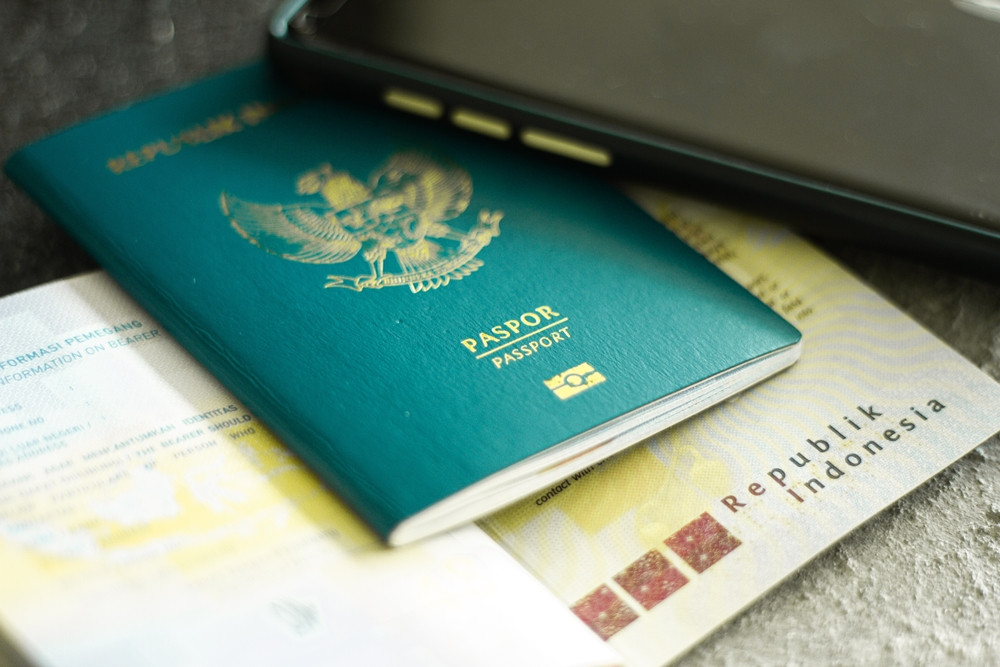
Vietnam has quietly made a change that many Indonesian travelers will feel immediately. According to the Indonesian Embassy in Hanoi, Indonesian ordinary passport holders are now eligible for visa-free entry for up to 14 days only, and the stay is limited to tourism and family visits. The notice is effective from 15 July 2026. That shift makes the Vietnam Visa Exemption a much shorter benefit than many travelers may have expected, and it has already become an important travel planning issue for people who visit Vietnam for short holidays, family trips, or quick cross-border business arrangements that do not require a formal visa.
Vietnam Visa Exemption Now Means A Shorter Stay
The most important thing for Indonesian travelers to understand is simple: the visa-free window is now only 14 days. The embassy’s notice specifically says the benefit applies to Indonesian ordinary passport holders for tourism and family visits. Vietnam’s official visa exemption page also confirms that the country maintains bilateral and unilateral visa exemption arrangements, while its immigration system continues to publish separate rules for visa-free entry and visa applications. In other words, the visa-free path still exists, but the length of stay has changed, and that matters a great deal for anyone planning a relaxed holiday or a multi-city itinerary.
For travelers, the practical effect is immediate. A seven-day beach holiday in Da Nang, a long weekend in Ho Chi Minh City, or a short family visit in Hanoi still fits comfortably within the new limit. A longer trip, however, now requires more deliberate planning. That may sound minor at first, but in travel, a few days can change everything from hotel bookings and domestic flights to whether a traveler can attend a wedding, join a family gathering, or complete a broader itinerary without rushing. The Vietnam Visa Exemption is still useful, but it is now far less forgiving than before.
What Changed And Why Travelers Are Paying Attention
The policy update matters not only because it shortens the stay, but also because it changes expectations. Many Indonesian travelers have traditionally treated Vietnam as one of the more convenient destinations in Southeast Asia. Visa-free access created a sense of flexibility, especially for tourists who prefer spontaneous plans. Once the stay limit is cut to 14 days, that flexibility becomes narrower. Trips that once felt easy now need better timing, tighter schedules, and a clearer understanding of what is allowed under the new rule.
Vietnam’s official immigration system shows that an e-visa is still available, and the official portal says it is valid for a maximum of 90 days, with single or multiple entry options. That is the most obvious fallback for Indonesians who want to stay longer than the visa-free window allows. The Vietnamese government also publishes official tourism and visa information through its national portals, which reinforces that the country is still open to foreign visitors, but under more structured entry rules than before.
For many readers, this is the real takeaway. The Vietnam Visa Exemption has not disappeared. It has simply become more limited, and travelers now need to decide early whether 14 days is enough. If the answer is yes, the process stays simple. If the answer is no, the e-visa route should be planned in advance rather than treated as a last-minute fix.
What Indonesian Travelers Should Do Next
The smartest move for travelers is to match the visa rule to the trip itself. If the visit is short, such as a family reunion, a weekend break, or a quick city trip, the visa-free option may still be the easiest path. If the plan involves business meetings spread across several weeks, a slower leisure itinerary, or travel across different regions of Vietnam, the 14-day limit may become too tight. In that case, an e-visa is the more practical solution because it provides a much longer authorized stay.
Travelers should also double-check passport validity, return tickets, and the purpose of entry before departure. Vietnam’s official visa exemption page makes clear that the country uses defined entry categories and documentary requirements, and that travelers should not assume all visa-free access works the same way for every nationality or travel purpose. That is why it is always safer to verify the latest rules before booking nonrefundable flights or hotels.
For families, the rule change may be especially relevant. A short family visit can still fit within 14 days, but a more extended stay, especially if it includes movement between cities or time spent with multiple relatives, may now require an e-visa. That is one reason this change has drawn attention beyond the usual travel crowd. It affects ordinary holidaymakers, but it also affects people who travel for personal reasons and assume their trip will be easy to extend informally. The current Vietnam Visa Exemption leaves less room for that kind of assumption.
Why The Rule Matters For Tourism And Business
A shorter visa-free stay can influence how Indonesians build their travel habits. Tourists may still choose Vietnam because of its food scene, coastline, culture, and major cities, but they will likely travel with tighter schedules and clearer expectations. That may not reduce interest in Vietnam, yet it can change the type of visitor the country attracts. Shorter stays often favor faster holidays, while longer stays favor more deliberate travelers who are willing to complete an e-visa application first.
From a business perspective, the message is equally important. Professionals who previously relied on short visa-free entry for exploratory meetings or informal visits will now need to confirm whether 14 days is enough. If not, planning ahead becomes essential. That does not mean Vietnam is closing itself off. On the contrary, the presence of a 90-day e-visa indicates a continued effort to keep access open while controlling the stay period more tightly. In practice, this creates a more structured travel environment, not a less welcoming one.
The change also reflects a broader reality in travel policy. Countries often adjust visa rules to balance convenience, security, and administrative control. When that happens, travelers do not just need destination ideas. They need current rules. That is exactly why the Vietnam Visa Exemption update is important news, even though it may look like a small administrative change on paper. Small changes often have the biggest effect on people who book quickly and travel often.
How To Travel Smarter Under The New Rule
The best response is straightforward. Start by deciding how long the trip will really be. If the itinerary is under two weeks, the visa-free option may still work well. If the plan goes beyond that, the e-visa should be treated as the default choice. That is especially true for anyone combining leisure with family visits, events, or side trips that could easily push the stay over the limit.
It is also wise to keep a close eye on official announcements before traveling. Visa rules can change, and social media posts often circulate faster than travelers can verify them. The embassy notice is the clearest confirmation here, but travelers should still consult official immigration or embassy pages before departure. That habit takes only a few minutes and can prevent a great deal of stress at the airport.
For readers who travel frequently across Southeast Asia, this is a useful reminder that visa convenience is not permanent. Rules change, and they often change with little notice. The current Vietnam Visa Exemption still offers a simple entry path, but the shorter stay means travelers now have to be more disciplined about planning, documentation, and length of stay.
Vietnam remains accessible to Indonesian passport holders, but the terms have become stricter. The new 14-day visa-free period is enough for short holidays and family visits, yet it is no longer generous enough for travelers who want a longer, more flexible stay. For those travelers, the official e-visa system is the obvious next step. The most practical lesson is also the simplest one: check the rules early, match the visa to the trip, and do not assume the old arrangement still applies. The Vietnam Visa Exemption still exists, but it now comes with a shorter clock.
Read More