





 Friday, 23-10-26








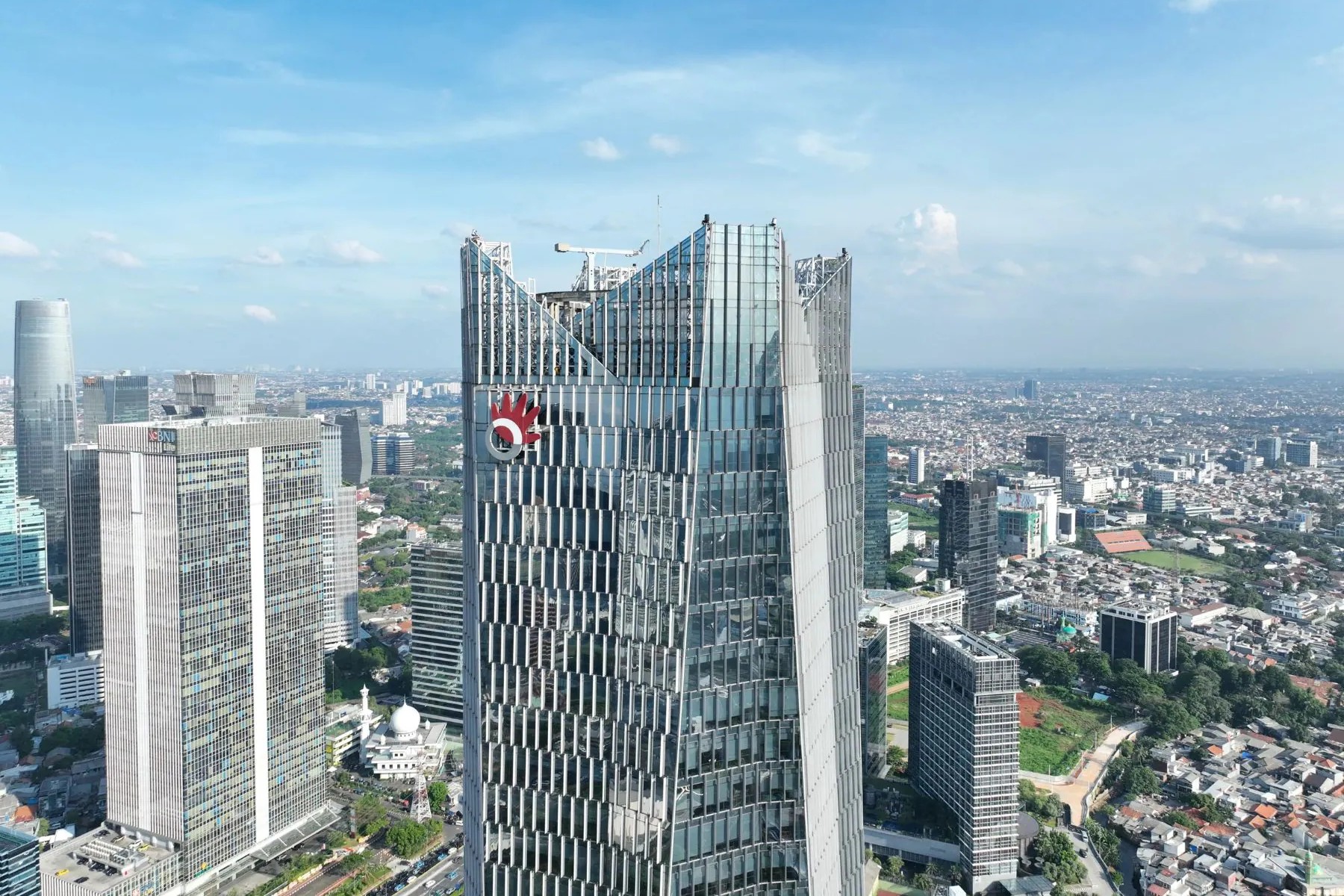
PT Telkom Indonesia (Persero) Tbk (Telkom) has completed the streamlining process of 10 subsidiaries in the first half of 2026 as part of its effort to accelerate the company’s transformation toward a Strategic Holding structure (06/07).
The initiative supports the streamlining agenda for state-owned enterprises mandated by Danantara Asset Management (DAM) and the State-Owned Enterprise Regulatory Agency (BP BUMN).
The streamlining program is one of the four pillars of Telkom’s TLKM 30 transformation strategy, focusing on business portfolio restructuring through business entity optimization, reducing overlapping activities, and divesting non-core businesses.
Through the initiative, Telkom aims to improve operational efficiency while strengthening capital expenditure allocation toward its core telecommunications and digital businesses.
Telkom Restructures Portfolio Through Divestment, Merger, and Liquidation
Telkom carried out the portfolio restructuring through several corporate actions, including divestment, merger, and liquidation. The company expects these steps to create a leaner group structure, sharpen the role of each entity, and support sustainable value creation.
Under the new structure, Telkom will transform from an Operating Holding into a Strategic Holding using a Holding Company-Operating Company (HoldCo-OpCo) model.
As a HoldCo, Telkom will focus on portfolio management, strengthening governance, creating synergies, and optimizing value across business segments. Meanwhile, operational activities will be managed by OpCo units focusing on B2C, B2B Infrastructure, B2B ICT, and International Business segments.
Telkom’s Director of Strategic Business Development & Portfolio, Seno Soemadji, said portfolio simplification is a strategic step to build a more agile organization in responding to changes in the digital industry.
"Transformation is not only realized through developing business capabilities, but also through the courage to reorganize the company so it can focus more on core businesses that are its main strengths. With a leaner structure, Telkom has a stronger foundation to move more agilely, allocate investments more optimally, and create higher-quality growth."
Streamlining Supports Telkom’s Shift From Operating Holding to Strategic Holding
Until the end of June 2026, Telkom completed the streamlining of 10 entities through various strategic corporate actions.
Under the divestment scheme, Telkom completed the disposal of two entities, marked by the signing of Sale and Purchase Agreements (SPA) with strategic partners on 3 June 2026.
Through a vertical merger scheme, Telkom also completed the merger of two entities to strengthen business operations and support capability development.
Meanwhile, through the liquidation scheme, six TelkomGroup entities reached the designated dissolution stage as part of business portfolio optimization.
The streamlining decisions were made based on comprehensive evaluations of business relevance, operational activities, and each entity’s contribution to TelkomGroup’s long-term strategy and value creation.
Seno explained that streamlining was not only about reducing the number of subsidiaries but also about building a healthier and more valuable business portfolio.
"Every streamlining decision is based on an evaluation of the strategic role of each entity in supporting TelkomGroup’s future business direction. With a more focused portfolio and a more efficient organizational structure, we can strengthen synergy among OpCos, encourage more sustainable growth, and strengthen Telkom’s position as an enabler of a nationally competitive digital ecosystem with global competitiveness."
Telkom Ensures Transparent Governance and Responsible Workforce Adjustment
Telkom stated that every streamlining process was carried out in a prudent, accountable, and transparent manner by applying Good Corporate Governance (GCG) and Business Judgment Rule (BJR) principles.
Each strategic decision was made based on comprehensive studies and close coordination with stakeholders, including the Attorney General’s Office, BPKP, DAM, and BP BUMN, to ensure compliance and support sustainable corporate transformation.
Alongside organizational transformation, Telkom also ensured that workforce adjustments were conducted responsibly while fully respecting the rights of affected employees.
All processes were carried out voluntarily and based on mutual agreements between both parties, including through the Early Retirement Program (ERP), which in 2026 will be directed at the OpCo level.
Through this approach, Telkom aims to build a more adaptive organization, strengthen digital talent capabilities, and encourage sustainable efficiency and productivity.
The streamlining program is part of Telkom’s medium-term target until 2030 to build stronger company fundamentals. Telkom expects the transformation to strengthen competitiveness and improve the quality of business areas with the best future growth prospects.
PHOTO: TELKOM
This article was created with AI assistance.
We make every effort to ensure the accuracy of our content, some information may be incorrect or outdated. Please let us know of any corrections at [email protected].
Read More