





 Tuesday, 20-10-26








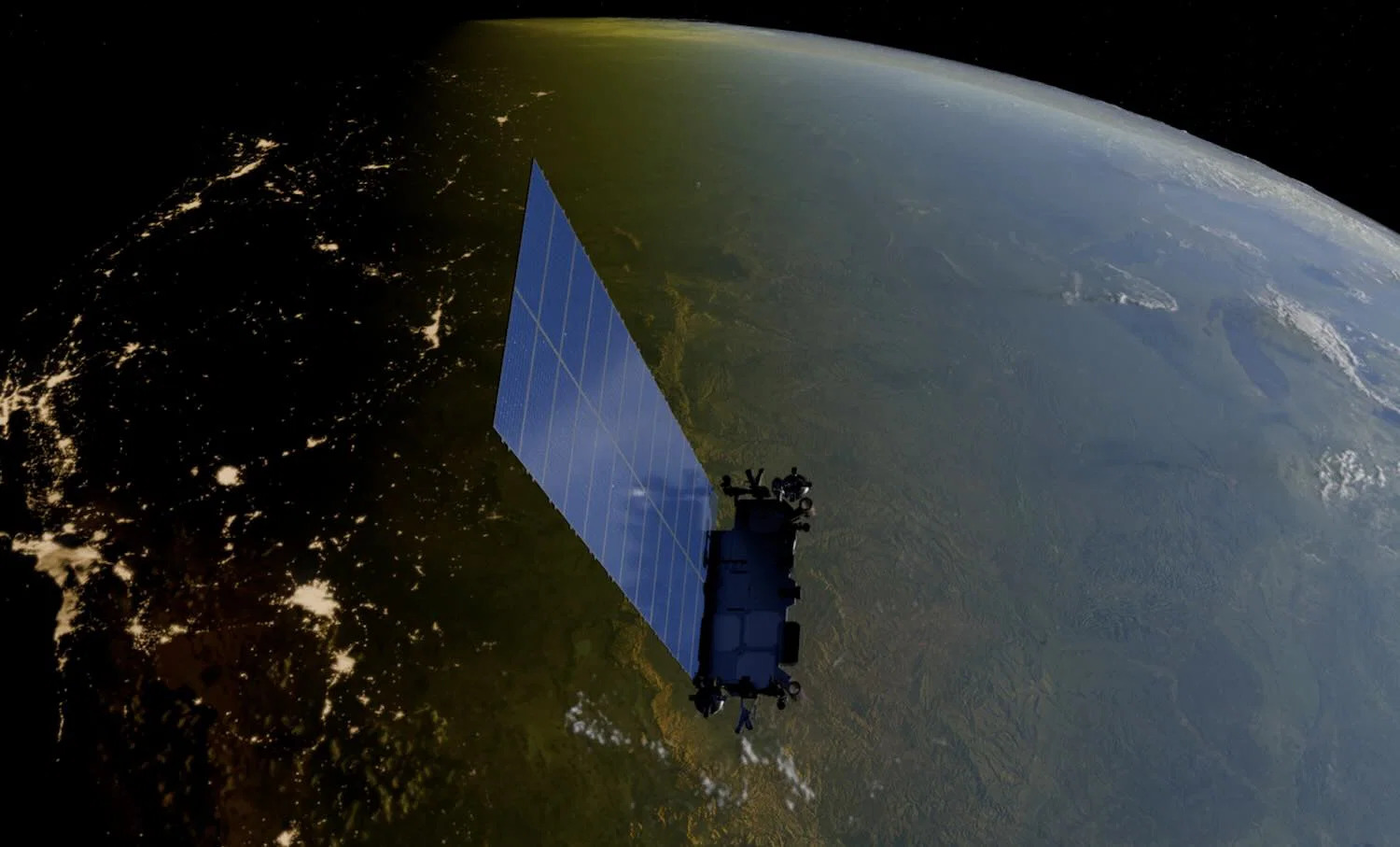
Starlink reentry is becoming more than a routine operations issue for SpaceX. It is turning into a serious environmental and policy debate. A recent report cited by IDNFinancials said SpaceX burned up 260 Starlink satellites in Earth’s atmosphere between December 2025 and May 2026, with 176 of them coming from the first generation fleet. The same report said 349 more satellites were moved into deorbit status during the period, showing how quickly the constellation is being refreshed. SpaceX now operates more than 10,000 active satellites, so retirement and replacement have become a constant part of the system’s life cycle.
Why Starlink Reentry Is Drawing So Much Attention
The reason Starlink reentry matters is simple: the scale is no longer small. When a few satellites burn up, the event is easy to ignore. When hundreds do it within six months, scientists and regulators start asking harder questions. That is exactly what is happening now. According to the same report, SpaceX has been disposing of about four to five satellites every day, and it even recorded 472 Starlink deorbits in the previous six month period. The company says this is part of normal fleet renewal, since Starlink satellites are designed for an operational life of around five years.
This rapid turnover is not automatically a bad thing. In satellite internet, old hardware must be replaced so performance stays strong and the network can keep up with demand. But the pace matters, because each Starlink reentry adds material to the upper atmosphere. The question is no longer whether satellites will burn up. They already do. The question is what those burn ups leave behind, and whether the cumulative effect could become a long term atmospheric problem.
How SpaceX Handles Retired Satellites
SpaceX’s approach is straightforward. Retired satellites are guided into the atmosphere, where friction and heating destroy them. The company says this controlled process is meant to eliminate risk to people on the ground and to keep dead hardware from lingering in orbit. In the current cycle, the company is also retiring first generation and second generation units as part of a broader upgrade pattern, rather than waiting for large failures to build up in space.
From an operational perspective, that makes sense. Starlink is a living network, not a static one. New satellites bring better capacity, stronger links, and more advanced onboard systems. But every Starlink reentry also means that aluminum, composites, and other materials are being transformed at very high altitude. That is where the environmental debate begins. The problem is not debris on the ground. The problem is chemistry in the mesosphere and stratosphere.
Starlink’s scale also makes the issue harder to dismiss. The constellation already exceeds 10,000 active satellites, and the trend is still upward. The more the network grows, the more routine deorbiting becomes. In that sense, Starlink reentry is not an exception. It is part of the business model. That is why the environmental impact deserves a serious, continuing review rather than a one time headline response.
What Scientists Say About Aluminum Oxide And Ozone
The core scientific concern comes from a 2024 study published in Geophysical Research Letters and summarized by the American Geophysical Union. The study found that the demise of a typical 250 kilogram satellite can generate about 30 kilograms of aluminum oxide nanoparticles. The AGU press release also notes that 17 metric tons of aluminum oxide nanoparticles were released into the atmosphere by falling satellites in 2022, and that future large constellations could raise annual releases to around 360 metric tons.
That matters because aluminum oxides can interact with stratospheric chemistry in ways that worsen ozone loss. The AGU explains that these particles do not directly consume ozone in the simplest sense. Instead, they help trigger reactions involving chlorine that destroy ozone molecules again and again. In other words, they can act like a catalyst in the wrong place at the wrong time. The study warns that these particles may take up to 30 years to drift down to stratospheric altitudes, where most of Earth’s ozone is located.
This is why Starlink reentry is being treated as a potentially bigger issue than just satellite trash. The ozone layer is not a vague environmental symbol. It is a physical shield that protects life from harmful ultraviolet radiation. The AGU press release says the Montreal Protocol helped ozone recover after CFC controls were introduced, but unanticipated growth of satellite derived aluminum oxides could pause that recovery progress. That is a serious claim, even if the exact scale of future impact still needs more observation.
Why The Risk Could Scale Quickly
The danger is mostly a scale problem. A single satellite may not sound significant. A few dozen may still seem manageable. But the numbers rise quickly when a global megaconstellation starts cycling old units out on a regular basis. The AGU summary says that by the time planned constellations are fully deployed, around 912 metric tons of aluminum could fall to Earth every year, producing about 360 metric tons of aluminum oxides annually. That would mean an increase far above natural background levels.
SpaceX’s own pattern shows why researchers are worried. IDNFinancials reported that the company had already deorbited 1,344 Starlink satellites overall, based on data tracked by astronomer Jonathan McDowell. That number is important because it shows the problem is not theoretical. It is already happening at a pace that can be measured and compared over time. If the fleet keeps expanding, Starlink reentry could become one of the largest recurring sources of artificial upper atmospheric pollution.
The timeline also matters. The same AGU report notes that low Earth orbit internet satellites last about five years on average. That means replacement is built into the system. The life cycle is short, and that short life cycle creates a continuous stream of reentries. So the issue is not whether deorbiting happens, but whether the environmental cost of repeated Starlink reentry has been properly counted.
Regulation Is Now Part Of The Story
The policy side is becoming just as important as the science. IDNFinancials reported that some researchers and observers are pushing for more environmental review of large satellite constellations, while the FCC has considered exemptions for Starlink and similar operators as part of a broader U.S. push to maintain leadership in space. That creates a difficult balance between innovation, national competitiveness, and environmental oversight.
That balance is not unique to Starlink, but Starlink is the clearest test case because of its size and speed. When one company can launch and retire satellites at this pace, regulators have to decide whether existing rules are enough or whether new environmental standards are needed. If the answer is yes, then satellite reentry may need to be treated more like an emissions issue and less like a purely technical orbital issue.
For now, the debate remains open. SpaceX argues that its disposal method is safe for people on the ground. Scientists are not necessarily disputing that. Their concern is higher up, in the atmosphere itself. That is a harder risk to see, and often a harder one to regulate. But history suggests that invisible environmental problems tend to become visible only after the scale is already large. Starlink reentry may be approaching that stage.
What This Means For The Future Of Satellite Internet
Satellite internet is not going away. Demand is too strong, and the commercial and strategic value is too high. Starlink has become one of the most important broadband infrastructures in orbit, and other megaconstellations are following the same path. The real question is whether the industry can keep scaling without externalizing too much environmental cost into the upper atmosphere.
A better approach would combine faster innovation with stricter environmental accounting. That means more research on reentry chemistry, more transparency from operators, and clearer rules for how satellite fleets should be renewed. It may also mean designing satellites with materials that reduce harmful byproducts when they burn up. If the industry is going to rely on routine Starlink reentry, then the environmental footprint of that routine needs to be understood, measured, and limited.
The immediate story is simple: SpaceX is replacing satellites at scale, and hundreds are already burning up in the atmosphere. The deeper story is more consequential. Starlink reentry is becoming a real-world test of whether the satellite internet boom can coexist with atmospheric protection. If the answer is yes, it will require more than launch speed and network performance. It will require responsible engineering, serious science, and regulation that keeps pace with the sky itself.
Read More