





 Friday, 09-10-26








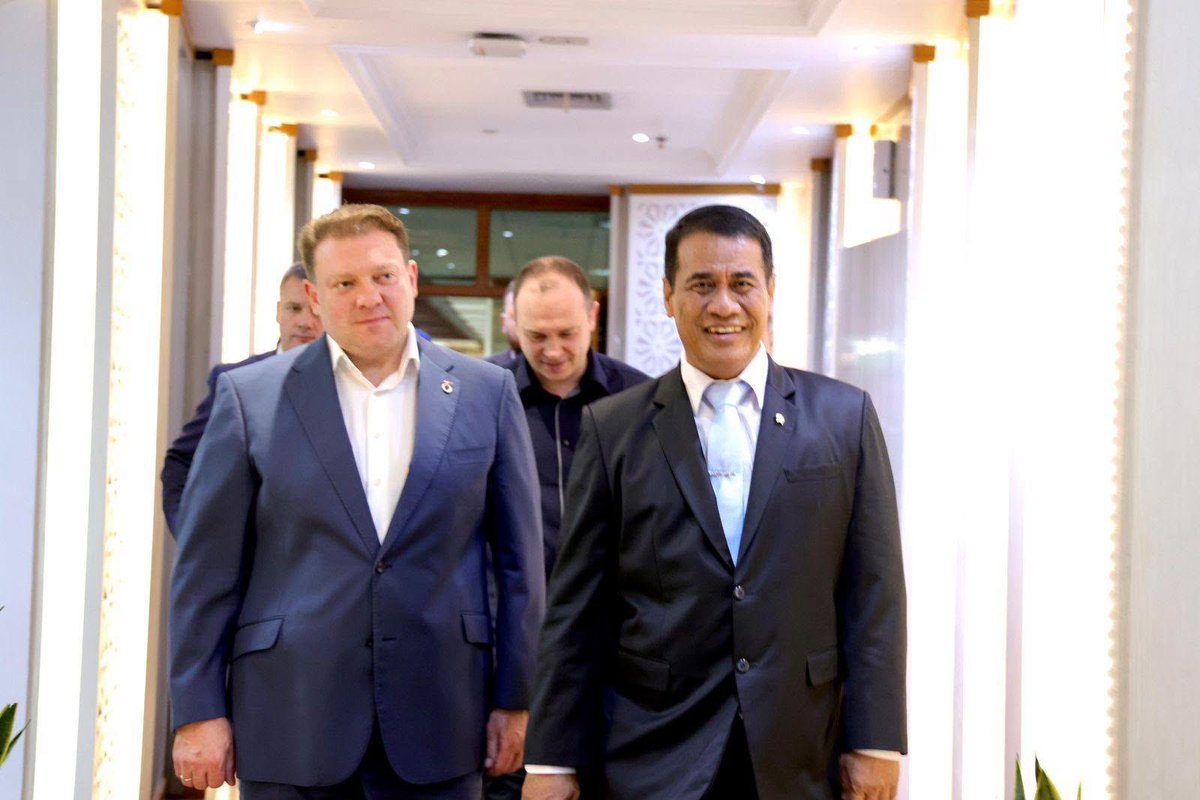
Indonesia and Belarus are strengthening their economic relationship through a renewed focus on agricultural commodity trade. During a recent bilateral meeting, Belarus expressed interest in increasing imports of Indonesian crude palm oil and cocoa products to support domestic supply needs. The discussion reflects growing momentum in economic cooperation between the two countries as they seek to diversify trade partnerships amid changing global supply chains.
According to Indonesia's Ministry of Agriculture, Belarus views Indonesia as a reliable supplier of strategic agricultural commodities, particularly crude palm oil and cocoa. The meeting also highlighted opportunities for broader collaboration in food security, agricultural technology, and bilateral investment. As geopolitical uncertainty continues to reshape international commerce, Indonesia Belarus trade is becoming increasingly relevant for businesses looking to expand into emerging markets.
The renewed dialogue comes at a time when Indonesia continues to strengthen exports beyond its traditional markets in Asia while Belarus seeks stable suppliers for food processing industries. The latest discussions demonstrate that agricultural commodities remain one of the strongest foundations for bilateral economic cooperation.
Why Indonesia Belarus Trade Is Becoming More Strategic
Indonesia Belarus trade has historically remained relatively modest compared to Indonesia's commercial relationships with larger European or Asian economies. However, recent developments suggest that both governments are interested in expanding cooperation into sectors with long term strategic value.
According to ANTARA, Belarusian Agriculture and Food Minister Yuri Gorlov expressed his country's intention to increase imports of Indonesian crude palm oil and cocoa products during discussions with Indonesian Agriculture Minister Andi Amran Sulaiman.
Palm oil is an essential raw material for numerous industries, including food manufacturing, cosmetics, pharmaceuticals, and biofuels. Cocoa is equally important for Belarus because it supports domestic chocolate and confectionery production. As consumer demand continues to grow, securing stable supplies has become increasingly important for Belarusian manufacturers.
For Indonesia, expanding exports to Belarus represents another opportunity to diversify export destinations. Diversification has become a key strategy for Indonesia as exporters seek to reduce dependence on a limited number of major buyers while reaching new markets across Europe, Central Asia, and Eastern Europe.
Indonesia Belarus trade therefore offers benefits for both countries. Indonesia gains new export opportunities while Belarus secures access to reliable agricultural supplies.
Palm Oil Continues To Drive Indonesia's Agricultural Exports
Indonesia remains the world's largest producer and exporter of crude palm oil. According to the Indonesian Palm Oil Association and the United States Department of Agriculture, Indonesia accounts for more than half of global palm oil production.
Palm oil has become one of Indonesia's most valuable export commodities because of its versatility. It is used in food processing, cooking oil, detergents, cosmetics, pharmaceuticals, industrial lubricants, and renewable energy production.
Although palm oil has occasionally faced sustainability concerns in international markets, Indonesia has invested heavily in improving certification systems through the Indonesian Sustainable Palm Oil certification program and expanded traceability initiatives.
The interest shown by Belarus reflects continued global demand for palm oil despite shifting regulatory environments in some regions.
Indonesia Belarus trade could therefore become another important export channel for Indonesia's palm oil industry while providing Belarus with a dependable supplier capable of meeting large scale industrial demand.
Cocoa Exports Present Additional Growth Opportunities
Beyond palm oil, cocoa products also featured prominently during bilateral discussions.
Indonesia is among the world's leading cocoa producing countries. While West African nations dominate global cocoa bean production, Indonesia has developed significant downstream processing capabilities, producing cocoa butter, cocoa powder, and other processed cocoa ingredients for export.
Belarus imports cocoa ingredients to support its domestic confectionery industry. Demand for chocolate products remains stable throughout Eastern Europe, creating opportunities for reliable long term supply partnerships.
For Indonesian exporters, processed cocoa generally generates higher value than raw agricultural commodities. Expanding exports of value added cocoa products aligns with Indonesia's long term industrial strategy of moving further downstream across multiple agricultural sectors.
Indonesia Belarus trade could therefore contribute not only to higher export volumes but also to improved export quality through greater shipments of processed food ingredients.
Bilateral Trade Continues To Expand Beyond Agriculture
Although agriculture dominated the recent ministerial discussions, Indonesia Belarus trade extends into several additional sectors.
According to Indonesia's Ministry of Foreign Affairs, previous bilateral cooperation has included machinery, fertilizers, transportation equipment, education, and industrial technology.
Belarus possesses strong capabilities in agricultural machinery manufacturing, heavy vehicles, mining equipment, and fertilizer production. Indonesia, meanwhile, offers strengths in agriculture, fisheries, food processing, mining resources, and consumer goods.
These complementary economic structures create opportunities for mutually beneficial partnerships.
For example, Belarusian agricultural equipment could support Indonesia's farming modernization efforts, while Indonesian agricultural exports help strengthen Belarusian food manufacturing industries.
Such cooperation demonstrates how bilateral trade increasingly focuses on integrated supply chains rather than isolated commodity transactions.
Food Security Is Becoming A Central Priority
Food security has become an increasingly important policy objective worldwide.
Recent disruptions caused by geopolitical tensions, climate change, logistics challenges, and commodity price volatility have encouraged governments to diversify food supply sources.
Belarus' interest in Indonesian palm oil and cocoa reflects this broader global trend.
Rather than relying heavily on a limited number of suppliers, countries are actively expanding procurement partnerships to improve resilience.
Indonesia benefits from this shift because it possesses abundant natural resources and well established export infrastructure.
As one of the world's largest agricultural producers, Indonesia is well positioned to support international food supply chains while strengthening Indonesia Belarus trade.
The latest bilateral discussions therefore align with broader global efforts to improve supply chain resilience.
Trade Diversification Supports Indonesia's Export Strategy
Indonesia has consistently pursued policies aimed at expanding exports into non traditional markets.
Government agencies have encouraged exporters to identify new destinations across Eastern Europe, Central Asia, Africa, Latin America, and the Middle East.
Diversification reduces vulnerability to economic slowdowns or trade policy changes affecting major export destinations.
Belarus represents one such opportunity.
Although the Belarusian market is smaller than many of Indonesia's traditional export partners, it provides strategic access to Eastern European supply networks while strengthening Indonesia's international commercial relationships.
Indonesia Belarus trade may also encourage greater private sector collaboration between companies operating across agriculture, food manufacturing, logistics, and industrial services.
Challenges Still Need To Be Addressed
Despite promising opportunities, several challenges remain.
Transportation costs between Southeast Asia and Eastern Europe remain relatively high compared to regional trade.
Businesses must also navigate customs procedures, sanitary regulations, payment systems, and geopolitical considerations affecting international logistics.
Exporters will need consistent government support through trade facilitation, business matchmaking, and investment promotion.
Nevertheless, these challenges are not unique to Indonesia Belarus trade.
Many emerging trade corridors experience similar issues during early stages before commercial relationships mature.
As trade volumes increase, logistics providers typically develop more efficient shipping routes while companies build stronger distribution networks.
Why Businesses Should Monitor Indonesia Belarus Trade
For exporters, investors, and agribusiness companies, the recent discussions signal growing commercial potential.
Palm oil producers may find new long term buyers.
Cocoa processors could expand international market access.
Logistics companies may benefit from higher shipping demand.
Food manufacturers could establish new supply agreements.
Agricultural technology firms may discover additional partnership opportunities.
These developments illustrate how bilateral government discussions often create wider commercial opportunities across multiple industries.
Private sector participation will ultimately determine whether diplomatic discussions translate into sustained economic growth.
Outlook For Future Bilateral Cooperation
The recent meeting between Indonesian and Belarusian ministers represents more than a routine diplomatic exchange.
It demonstrates how countries continue adapting to an evolving global trade environment by strengthening partnerships with reliable commodity producers.
Indonesia Belarus trade is well positioned for further expansion because both economies possess complementary strengths.
Indonesia offers abundant agricultural resources, competitive processing industries, and growing export capacity.
Belarus contributes industrial expertise, food manufacturing capabilities, and increasing demand for agricultural commodities.
If both governments continue supporting trade facilitation and private sector cooperation, bilateral commerce could expand significantly over the coming years.
For Indonesia, stronger commercial ties with Belarus also reinforce its broader strategy of reaching new international markets while increasing exports of higher value agricultural products.
As global supply chains continue evolving, Indonesia Belarus trade may become an increasingly important example of how emerging partnerships contribute to food security, economic diversification, and sustainable international commerce.
Read More