





 Friday, 16-10-26








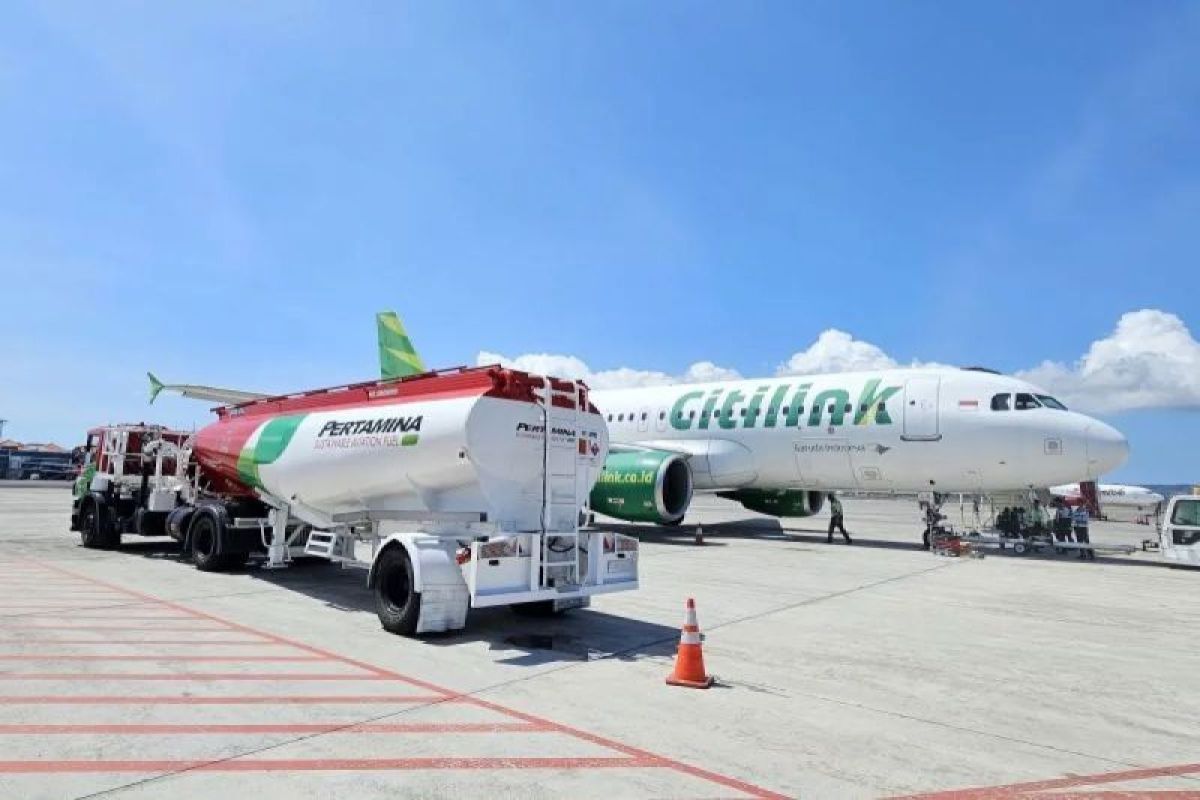
Indonesia’s aviation market may be entering a more favorable phase after PT Pertamina Patra Niaga cut domestic avtur prices by up to 10 percent starting June 1, 2026. The adjustment was introduced to support national air connectivity, protect airline competitiveness, and respond to softer global energy prices. In simple terms, the avtur price drop has raised expectations that ticket prices could become more manageable, especially after months of upward pressure on airfare.
The change matters because aviation fuel is not a minor cost item. The Indonesian government has previously noted that fuel can account for about 40 percent of airline operating costs, which means even a relatively small shift in jet fuel pricing can influence the economics of flights, especially domestic routes. At the same time, the government has used fuel surcharge rules to manage fare volatility when avtur moved sharply higher earlier this year.
Why The Avtur Price Drop Matters For Airlines
The immediate significance of the avtur price drop is operational relief. Airlines work with thin margins, and aviation fuel is one of the biggest line items in their cost structure. When avtur rises, carriers usually face a tough choice between absorbing higher costs, reducing promotional inventory, or passing part of the burden to passengers through higher fares or fuel surcharges. When avtur falls, that pressure can ease, at least partially.
Pertamina said the June adjustment was made to reflect movements in global energy prices and to keep Indonesia’s aviation fuel supply aligned with market dynamics. The company also emphasized that the pricing formula varies by airport because logistics, distribution, and local operating factors are different across locations. Reported examples show the price in Soekarno-Hatta falling from Rp24,580 to Rp22,190 per liter, Ngurah Rai from Rp26,190 to Rp23,480, and Kualanamu from Rp25,720 to Rp23,090. That is a meaningful move across major hubs.
Still, a lower avtur price does not automatically translate into an instant fare cut on every route. Airlines set ticket prices based on a wider mix of factors, including demand, route competition, aircraft utilization, airport charges, taxes, and inventory management. So the avtur price drop improves the cost environment, but the consumer benefit depends on how quickly carriers choose to pass that saving into ticket pricing. That is the part travelers care about most, and also the part that usually takes time.
There is also a policy angle. Earlier in April and May 2026, the government allowed higher fuel surcharge flexibility after avtur prices surged, and official statements indicated domestic economy airfare increases were being kept within a controlled range of around 9 to 13 percent through mitigation measures. The latest avtur move therefore looks less like a standalone event and more like a reset after a period of cost escalation.
What Passengers Should Expect Next
For passengers, the most realistic expectation is gradual relief rather than a dramatic fare crash. In aviation, prices rarely move in a straight line. A lower avtur benchmark can improve airline economics, but consumers may only see a visible effect when carriers refresh inventories, adjust fare buckets, or revise ancillary pricing. That is why the avtur price drop should be seen as a positive signal rather than a guaranteed instant discount.
That said, the policy shift is still important. Indonesia relies heavily on air travel because it is an archipelagic country, and air connectivity is essential for business mobility, tourism flows, inter-island logistics, and family travel. When fuel costs are high, airlines tend to protect margins by tightening discounts. When fuel eases, there is more room to rebuild promotional fares, stimulate demand on weak routes, and improve seat occupancy. In that sense, the avtur price drop could have a multiplier effect beyond the aviation sector itself.
The tourism industry is one of the clearest beneficiaries. Cheaper or more stable fares can help restore travel confidence for leisure passengers who have been comparing domestic routes with increasingly competitive regional options. For destinations such as Bali, North Sumatra, and Eastern Indonesia, even a modest improvement in airfare affordability can influence booking behavior, especially for price sensitive travelers and small business owners who travel frequently. The broad policy goal, according to Pertamina, is not just cheaper fuel but stronger connectivity and broader economic circulation.
The same logic applies to airlines trying to preserve demand during a volatile year. If fuel costs continue to soften, carriers may find it easier to maintain route frequency and sustain load factors without relying so heavily on high base fares. That does not mean margins will suddenly expand, but it does mean fewer abrupt shocks to pricing. For an industry that has spent months reacting to fuel volatility, that alone is a major improvement.
The Bigger Picture For Indonesia’s Aviation Market
The latest avtur price drop also highlights how closely Indonesia’s aviation market is tied to global energy trends. When world oil prices rise, local jet fuel costs usually follow. When prices ease, domestic carriers get some breathing room. This connection is why aviation policy often involves a balancing act between consumer affordability and airline sustainability. The government has already shown that it is willing to intervene with surcharge rules, tax relief, and operational support when market conditions become too harsh.
That balancing act is not just about the airlines. It affects jobs, airports, tourism operators, and regional economies that depend on predictable flight access. In a country like Indonesia, the cost of flying is not a luxury issue. It is part of the infrastructure of daily life and commerce. A more stable avtur environment can therefore support not only ticket pricing but also business planning across the travel ecosystem.
The key takeaway is straightforward. The avtur price drop is a favorable development, and it comes at a time when passengers badly need relief from high travel costs. Whether ticket prices fall quickly or only gradually, the direction is encouraging. If global energy prices stay soft and airlines respond competitively, travelers could finally begin to see more reasonable domestic fares after months of pressure.
Conclusion
The June 1 avtur adjustment is more than a routine pricing update. It is a meaningful signal that the aviation cost cycle may be turning in a better direction. Because aviation fuel carries so much weight in airline operating costs, the avtur price drop could help reduce pressure on fares, support tourism, and improve airline resilience. The actual effect on ticket prices will depend on how carriers respond, but the policy direction is clearly favorable for travelers and the broader economy.
Read More