





 Friday, 09-10-26








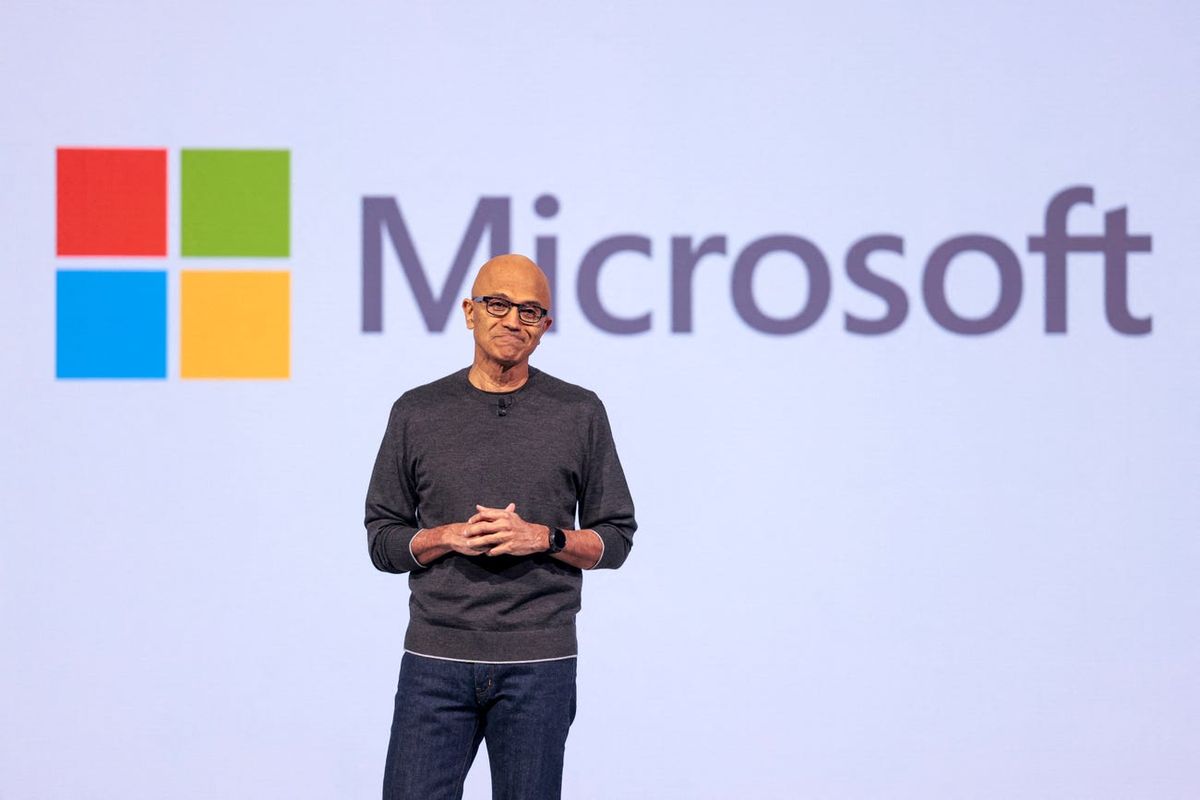
Microsoft is entering a new phase of workforce transformation with the introduction of Microsoft voluntary buyouts, a program aimed at offering eligible employees in the United States an option to leave the company with compensation. This move marks a significant milestone, as it is reportedly the first time Microsoft has implemented such a voluntary separation initiative at this scale.
The decision comes at a time when the global technology sector is undergoing rapid change, driven by artificial intelligence, automation, and shifting economic conditions. Microsoft voluntary buyouts are not just a cost management tool, but a strategic maneuver to realign the company’s workforce with its long-term priorities.
Why Microsoft Voluntary Buyouts Are Happening Now
The timing of Microsoft voluntary buyouts is closely linked to the company’s aggressive investment in artificial intelligence. Under the leadership of Satya Nadella, Microsoft has positioned itself at the forefront of the AI revolution, integrating AI capabilities across its product ecosystem, from Azure cloud services to productivity tools like Microsoft 365.
However, this transformation requires more than technological innovation. It demands a workforce that is aligned with emerging priorities. Microsoft voluntary buyouts provide a mechanism to reshape the organization without resorting to large-scale layoffs, which can negatively impact morale and public perception.
Economic factors also play a role. The tech industry has experienced fluctuations in growth, prompting companies to reassess their cost structures. By offering voluntary buyouts, Microsoft can reduce headcount in a controlled manner while maintaining flexibility in its operations.
Importantly, Microsoft voluntary buyouts are targeted rather than indiscriminate. The program is designed to encourage departures among specific groups of employees, particularly those whose roles may no longer align with the company’s evolving focus on AI and cloud computing.
How Microsoft Voluntary Buyouts Reflect Broader Industry Trends
Microsoft voluntary buyouts are part of a larger pattern across the technology industry. As companies pivot toward AI and digital transformation, workforce restructuring has become increasingly common.
Major tech firms are investing heavily in AI infrastructure, talent, and research. This shift often requires reallocating resources from traditional business units to high-growth areas. Microsoft voluntary buyouts exemplify this transition, as the company seeks to optimize its workforce for future demands.
The move also highlights a shift in how companies approach restructuring. Instead of relying solely on layoffs, organizations are exploring alternative methods such as voluntary separation programs. These initiatives can help preserve company culture and reduce the negative impact on employees.
In addition, Microsoft voluntary buyouts underscore the growing importance of skills transformation. As AI becomes more central to business operations, the demand for expertise in machine learning, data science, and cloud computing is increasing. Employees who lack these skills may find fewer opportunities within the organization, prompting voluntary exits.
Impact on Employees and Corporate Culture
The introduction of Microsoft voluntary buyouts has significant implications for employees. For some, the program offers an opportunity to transition to new careers, retire early, or pursue personal interests with financial support. For others, it may signal uncertainty about the future of their roles.
From a corporate culture perspective, Microsoft voluntary buyouts represent a delicate balancing act. On one hand, the program allows the company to manage workforce changes in a relatively humane way. On the other hand, it can create anxiety among remaining employees about job security and organizational direction.
Microsoft’s leadership will need to communicate clearly and effectively to maintain trust and engagement. Transparency about the reasons behind Microsoft voluntary buyouts and the company’s long-term vision will be crucial in navigating this transition.
At the same time, the program may open up new opportunities within the company. As positions become available, Microsoft can bring in talent with specialized skills in AI and related fields. This infusion of new expertise can drive innovation and strengthen the company’s competitive position.
Strategic Implications for Microsoft’s Business Model
Microsoft voluntary buyouts are closely tied to the company’s broader strategic objectives. By reshaping its workforce, Microsoft aims to enhance its ability to innovate and compete in a rapidly evolving market.
One key area of focus is cloud computing. Azure remains a central pillar of Microsoft’s business, and its growth is closely linked to the adoption of AI technologies. Microsoft voluntary buyouts enable the company to allocate more resources to this high-priority area.
Another important aspect is operational efficiency. By reducing headcount in certain areas, Microsoft can streamline its operations and improve profitability. This is particularly important in a competitive environment where margins can be under pressure.
Microsoft voluntary buyouts also reflect a shift toward a more agile organizational structure. In the fast-paced world of technology, the ability to adapt quickly is essential. By aligning its workforce with its strategic priorities, Microsoft can respond more effectively to market changes.
What Microsoft Voluntary Buyouts Mean for the Tech Industry
The implications of Microsoft voluntary buyouts extend beyond the company itself. As one of the largest and most influential technology firms, Microsoft’s actions often set trends for the industry.
Other companies may follow suit, adopting similar programs to manage workforce transitions. This could lead to a broader shift in how the tech industry approaches restructuring, with a greater emphasis on voluntary solutions.
Microsoft voluntary buyouts also highlight the increasing importance of workforce planning. Companies must anticipate future skill requirements and take proactive steps to ensure they have the right talent in place. This includes not only hiring new employees but also reskilling existing ones.
For employees across the industry, the message is clear. The demand for AI-related skills is growing, and staying relevant will require continuous learning and adaptation. Microsoft voluntary buyouts serve as a reminder that even in leading companies, job security is closely tied to evolving business needs.
The Future of Workforce Transformation at Microsoft
Looking ahead, Microsoft voluntary buyouts are likely to be just one part of a broader transformation strategy. As the company continues to invest in AI, further changes to its workforce and organizational structure can be expected.
The success of this initiative will depend on how well Microsoft manages the transition. This includes supporting departing employees, maintaining morale among remaining staff, and ensuring that the company retains critical knowledge and expertise.
Microsoft voluntary buyouts also raise questions about the future of work in the technology sector. As automation and AI continue to advance, the nature of many jobs will change. Companies will need to find ways to balance efficiency with employee well-being.
For Microsoft, the challenge is to leverage its strengths while navigating these changes. The company’s track record suggests that it is well-positioned to succeed, but the path forward will require careful planning and execution.
Conclusion
Microsoft voluntary buyouts mark a significant moment in the company’s evolution. By introducing a voluntary separation program, Microsoft is taking a strategic approach to workforce transformation, aligning its resources with the demands of the AI era.
This move reflects broader trends in the technology industry, where companies are adapting to rapid change and increasing competition. Microsoft voluntary buyouts demonstrate the importance of flexibility, innovation, and long-term planning in navigating this environment.
For employees, businesses, and industry observers, the implications are far-reaching. As the role of AI continues to grow, the ability to adapt will be key to success. Microsoft voluntary buyouts are not just about reducing headcount. They are about preparing for the future.
Read More