





 Wednesday, 14-10-26








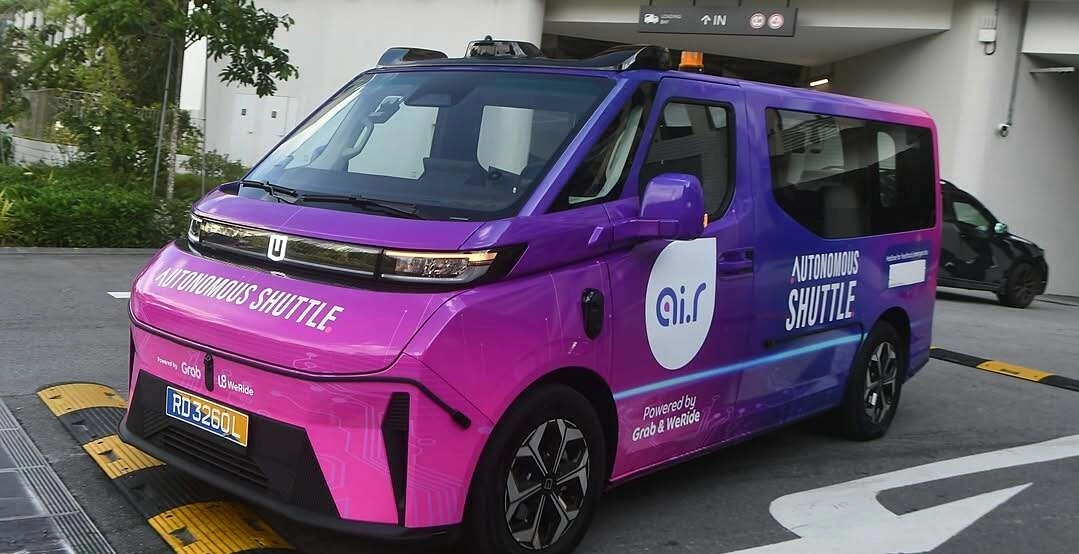
Singapore is taking a decisive step toward the future of urban transportation as robotaxi trials receive regulatory approval, allowing major players like Grab and ComfortDelGro to begin testing autonomous ride hailing services. This move places the city state at the forefront of mobility innovation in Southeast Asia, signaling a shift toward smarter, more efficient transport systems.
The launch of robotaxi trials reflects a broader transformation in the global transportation industry. As cities grapple with congestion, rising operational costs, and sustainability challenges, autonomous vehicles are emerging as a promising solution. For companies like Grab, the trials represent not just a technological experiment but a strategic investment in the future of mobility.
By combining advanced artificial intelligence with established ride hailing networks, robotaxi trials aim to redefine how people move within urban environments. Singapore’s supportive regulatory framework and advanced infrastructure make it an ideal testing ground for these innovations.
Singapore Positions Itself as a Leader in Robotaxi Trials
Singapore’s approval of robotaxi trials underscores its ambition to become a global leader in smart mobility. The government has long prioritized innovation in transportation, investing in technologies that improve efficiency and sustainability.
The collaboration between Grab and ComfortDelGro is particularly significant. Grab, as Southeast Asia’s leading super app, brings technological expertise and a vast user base. ComfortDelGro, on the other hand, contributes decades of experience in transportation services and fleet management. Together, they form a powerful partnership capable of accelerating the development of autonomous mobility solutions.
Robotaxi trials in Singapore will focus on testing the safety, reliability, and efficiency of autonomous vehicles in real world conditions. This includes navigating complex urban environments, interacting with other road users, and ensuring passenger safety.
Regulatory oversight will play a crucial role in the success of these trials. Authorities are expected to implement strict guidelines to ensure that the deployment of autonomous vehicles meets high safety standards. This cautious approach reflects the importance of building public trust in new technologies.
The significance of robotaxi trials extends beyond Singapore. Success in this market could serve as a blueprint for other cities in Southeast Asia, where urbanization and traffic congestion are major challenges.
How Robotaxi Trials Could Transform Urban Mobility
The introduction of robotaxi trials has the potential to fundamentally change urban mobility. Autonomous vehicles can operate continuously without the limitations faced by human drivers, increasing efficiency and reducing wait times for passengers.
Cost efficiency is another major advantage. By eliminating the need for drivers, robotaxi services could significantly reduce operational expenses over time. This could lead to more affordable ride hailing services, making transportation more accessible to a wider population.
Robotaxi trials also have implications for sustainability. Autonomous vehicles can be optimized for energy efficiency, particularly when combined with electric vehicle technology. This aligns with Singapore’s broader environmental goals, including reducing carbon emissions and promoting green transportation.
From a user perspective, robotaxi trials promise a new level of convenience. Passengers can expect seamless booking experiences, consistent service quality, and potentially enhanced safety features powered by AI.
However, the transition to autonomous mobility is not without challenges. Technical limitations, regulatory hurdles, and public acceptance are key factors that will determine the success of robotaxi trials. Ensuring that autonomous vehicles can handle diverse and unpredictable road conditions remains a critical concern.
Business Implications for Grab and ComfortDelGro
For Grab, the launch of robotaxi trials represents a strategic move to maintain its competitive edge in the ride hailing market. As competition intensifies, investing in autonomous technology could provide a significant advantage by reducing costs and improving service efficiency.
ComfortDelGro also stands to benefit from the trials. As a traditional transportation operator, the company is adapting to a rapidly changing industry. By participating in robotaxi trials, it can leverage new technologies to enhance its service offerings and remain relevant in the digital age.
The collaboration between the two companies highlights the importance of partnerships in driving innovation. Combining technological expertise with operational experience creates a strong foundation for success.
The trials could also open up new revenue streams. Beyond ride hailing, autonomous vehicles have applications in logistics, delivery services, and public transportation. Exploring these opportunities could further strengthen the business case for robotaxi trials.
At the same time, the shift toward automation may have implications for employment. The potential reduction in demand for drivers raises important questions about workforce transition and reskilling. Addressing these issues will be essential to ensure a balanced and inclusive transition.
Challenges and Future Outlook for Robotaxi Trials
While the approval of robotaxi trials marks a significant milestone, the road ahead is complex. Achieving full scale deployment of autonomous vehicles will require overcoming several challenges.
Safety remains the top priority. Autonomous systems must demonstrate a high level of reliability before they can be widely adopted. This involves extensive testing and continuous improvement of algorithms and hardware.
Regulatory frameworks will also need to evolve. Governments must balance innovation with public safety, creating policies that support experimentation while protecting citizens. Singapore’s approach could serve as a model for other countries navigating this transition.
Public perception is another critical factor. Building trust in autonomous technology will require transparency, education, and consistent performance. Positive user experiences during robotaxi trials will be key to gaining acceptance.
Despite these challenges, the future of robotaxi trials looks promising. Advances in artificial intelligence, sensor technology, and connectivity are accelerating the development of autonomous vehicles. As these technologies mature, the feasibility of large scale deployment will continue to improve.
For Southeast Asia, the success of robotaxi trials in Singapore could pave the way for broader adoption across the region. Cities facing similar challenges could benefit from the lessons learned, adapting the technology to their unique contexts.
Conclusion
The approval of robotaxi trials in Singapore marks a significant step forward in the evolution of urban mobility. By bringing together industry leaders like Grab and ComfortDelGro, the initiative highlights the potential of autonomous technology to transform transportation.
As the trials progress, they will provide valuable insights into the practical implementation of robotaxi services. While challenges remain, the opportunities for innovation and efficiency are substantial.
Robotaxi trials are not just about technology. They represent a broader shift toward smarter, more sustainable cities. For Singapore and the wider region, this is an important moment in shaping the future of mobility.
Read More