





 Friday, 16-10-26








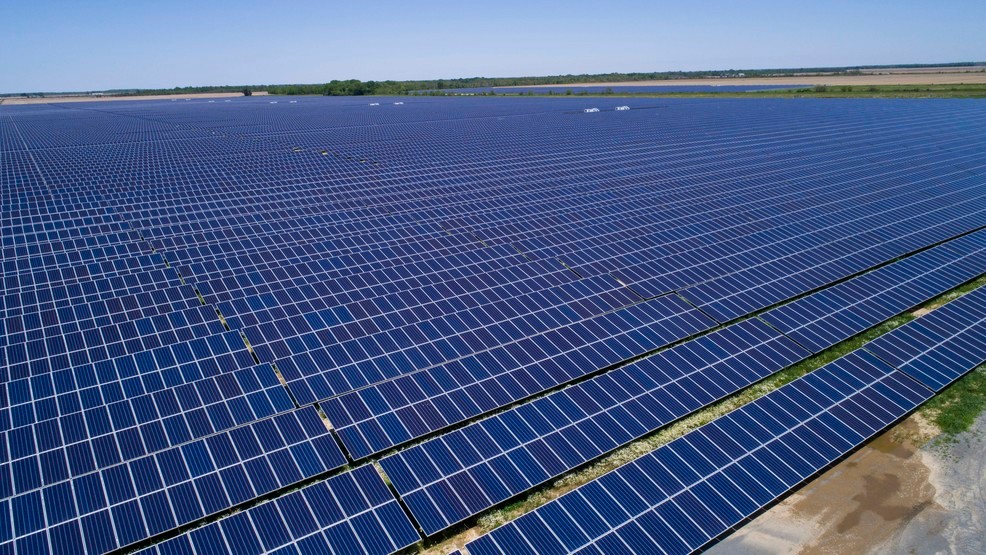
The global energy landscape is undergoing a profound transformation, and the China solar project in Laos has emerged as a critical example of how renewable energy investments are reshaping regional power dynamics. As geopolitical tensions escalate, particularly due to the ongoing Iran related conflict affecting global energy markets, countries are increasingly seeking alternative energy sources to secure their supply.
In this context, the China solar project in Laos is not just an infrastructure development. It represents a strategic move that addresses both energy security and economic resilience. With traditional energy markets facing volatility, renewable energy projects are becoming central to national strategies, especially in emerging economies across Southeast Asia.
Laos, a landlocked country with growing energy demand, is leveraging this opportunity to strengthen its power generation capacity. Backed by Chinese investment and expertise, the solar project is helping the country reduce its dependence on imported fuels while enhancing its role in regional energy trade.
China Solar Project Strengthens Laos Energy Security
The China solar project is playing a pivotal role in strengthening Laos’ energy security at a time when global energy markets are highly unstable. The Iran conflict has disrupted oil supply chains, pushing up prices and creating uncertainty across international markets. For countries that rely heavily on fossil fuel imports, this situation presents significant risks.
By investing in solar power, Laos is diversifying its energy mix and reducing its exposure to external shocks. The China solar project provides a stable and predictable source of electricity, which is particularly valuable during periods of global volatility. Unlike fossil fuels, solar energy is not subject to the same geopolitical risks, making it a more reliable option for long term planning.
In addition to improving energy security, the project also supports Laos’ ambition to become a regional energy hub. The country has already established itself as a major exporter of hydropower, and the addition of solar capacity further strengthens its position in the Southeast Asian energy market.
China’s involvement in the project underscores its broader strategy of expanding influence through infrastructure investment. By supporting renewable energy development in neighboring countries, China is not only promoting sustainability but also enhancing its economic and geopolitical presence in the region.
Geopolitical Tensions Accelerate Renewable Energy Investments
The China solar project highlights a broader trend where geopolitical tensions are accelerating the transition toward renewable energy. The Iran related conflict has exposed the vulnerabilities of global energy systems that depend heavily on fossil fuels. As supply disruptions become more frequent, countries are increasingly turning to renewable sources as a more secure alternative.
This shift is particularly evident in Asia, where rapid economic growth is driving demand for energy. Governments are recognizing that relying solely on traditional energy sources is no longer viable in an increasingly uncertain world. Renewable energy projects, such as the China solar project, offer a way to mitigate risks while supporting sustainable development.
The economic benefits of renewable energy are also becoming more apparent. Solar power, in particular, has seen significant cost reductions over the past decade, making it competitive with conventional energy sources. For countries like Laos, this presents an opportunity to expand energy capacity without incurring excessive costs.
Moreover, renewable energy projects can attract foreign investment and create jobs, contributing to economic growth. The China solar project serves as an example of how international collaboration can drive development while addressing global challenges.
However, the growing role of China in regional energy projects also raises strategic considerations. While Chinese investment brings financial and technical advantages, it may also increase dependency on external partners. Balancing these dynamics will be crucial for countries seeking to maximize the benefits of such collaborations.
Economic and Regional Impact of China Solar Project
The impact of the China solar project extends beyond energy security, influencing economic development and regional cooperation. For Laos, the project represents a significant step toward modernizing its energy infrastructure and supporting industrial growth.
Reliable electricity supply is essential for economic activities, from manufacturing to services. By enhancing power generation capacity, the China solar project can help attract investment and support the expansion of local industries. This, in turn, can create jobs and improve living standards.
At the regional level, the project contributes to greater energy integration within Southeast Asia. Cross border electricity trade is becoming increasingly important as countries seek to optimize resources and ensure stability. Laos, with its growing energy capacity, is well positioned to play a key role in this emerging network.
The China solar project also aligns with global efforts to reduce carbon emissions. As countries work toward climate targets, renewable energy investments are becoming a central component of their strategies. By expanding solar capacity, Laos is contributing to the transition toward a low carbon economy.
Despite these benefits, challenges remain. Renewable energy projects require significant upfront investment and careful planning to ensure efficiency and sustainability. Issues such as grid integration, storage capacity, and maintenance must be addressed to maximize the potential of solar power.
Future Outlook for Renewable Energy in Southeast Asia
Looking ahead, the success of the China solar project in Laos could serve as a model for other countries in the region. As energy demand continues to grow, Southeast Asia will need to invest heavily in new infrastructure to meet its needs. Renewable energy is likely to play a central role in this process.
The ongoing geopolitical tensions and energy market volatility are expected to reinforce this trend. Countries will continue to prioritize energy security, making projects like the China solar project increasingly attractive.
Technological advancements are also expected to drive further growth in renewable energy. Improvements in solar panel efficiency, energy storage, and grid management could enhance the viability of solar power and expand its applications.
For China, the expansion of renewable energy projects abroad is likely to remain a key component of its international strategy. By supporting infrastructure development, China can strengthen economic ties and enhance its influence in strategic regions.
For Laos and other Southeast Asian countries, the challenge will be to leverage these opportunities while maintaining economic independence and sustainability. Effective policy frameworks and strategic planning will be essential to ensure that renewable energy investments deliver long term benefits.
The China solar project in Laos represents a significant development in the evolving global energy landscape. As geopolitical tensions disrupt traditional energy markets, renewable energy is emerging as a critical solution for ensuring stability and sustainability.
By investing in solar power, Laos is not only addressing its energy needs but also positioning itself as a key player in regional energy markets. At the same time, the project highlights the growing role of China in shaping the future of energy in Southeast Asia.
As the world continues to navigate an uncertain energy environment, the importance of projects like the China solar project will only increase. They offer a pathway toward greater resilience, economic growth, and environmental sustainability, making them a cornerstone of the global energy transition.
Read More