





 Friday, 09-10-26








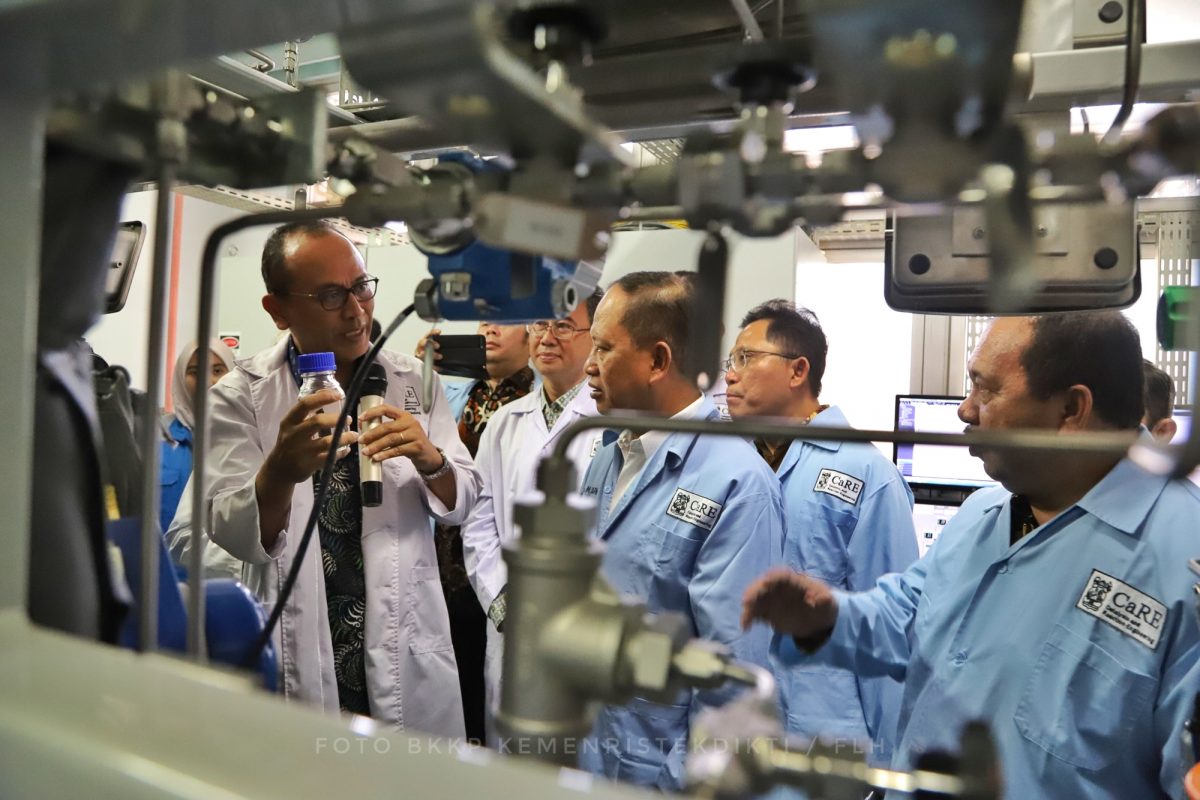
Indonesia is taking a decisive step toward energy transition and aviation sustainability as the government prepares to establish a new processing center dedicated to producing sustainable aviation fuel Indonesia. The initiative, spearheaded under the leadership of President Prabowo Subianto, aims to transform abundant domestic resources such as crude palm oil and used cooking oil into aviation fuel.
This move comes at a critical time when the global aviation industry is under increasing pressure to reduce carbon emissions. Sustainable aviation fuel Indonesia is emerging as a strategic solution that not only addresses environmental concerns but also strengthens national energy security.
By leveraging local feedstocks, Indonesia is positioning itself as a key player in the global sustainable aviation fuel market. The development of a dedicated processing center signals a shift from policy ambition to tangible execution.
Leveraging Domestic Resources for Sustainable Aviation Fuel Indonesia
One of the most compelling aspects of the sustainable aviation fuel Indonesia initiative is its reliance on domestic raw materials. Indonesia is the world’s largest producer of crude palm oil, making it uniquely positioned to develop a competitive advantage in bio-based aviation fuels.
Crude palm oil, commonly referred to as CPO, has long been a cornerstone of Indonesia’s export economy. By redirecting a portion of this resource toward sustainable aviation fuel Indonesia production, the government is seeking to create higher value-added products domestically.
In addition to CPO, the initiative also incorporates used cooking oil as a feedstock. This approach not only supports waste management efforts but also aligns with circular economy principles. Converting waste into fuel represents a significant step toward more sustainable industrial practices.
The integration of multiple feedstocks enhances the resilience of the supply chain. It reduces dependency on a single resource and allows for more flexibility in production. This is particularly important in the context of global commodity price volatility.
Furthermore, the use of domestic resources minimizes exposure to international supply disruptions. As seen in recent years, global energy markets can be highly unpredictable. Developing a localized production ecosystem for sustainable aviation fuel Indonesia helps mitigate these risks.
Strategic Role in Energy Transition and Aviation Decarbonization
The push for sustainable aviation fuel Indonesia is closely aligned with broader global efforts to decarbonize the aviation sector. Airlines and regulators worldwide are increasingly adopting stricter emissions targets, creating strong demand for low-carbon fuel alternatives.
Traditional jet fuel is a major contributor to greenhouse gas emissions. Sustainable aviation fuel Indonesia offers a viable alternative, capable of significantly reducing lifecycle carbon emissions compared to conventional fossil fuels.
For Indonesia, this initiative is not just about environmental compliance. It is also a strategic move to remain competitive in the global aviation market. As international airlines prioritize sustainability, access to sustainable aviation fuel Indonesia could become a key differentiator.
The establishment of a dedicated processing center underscores the government’s commitment to scaling production capacity. It provides the necessary infrastructure to support long-term growth in the sector.
Moreover, the initiative aligns with Indonesia’s broader energy transition goals. The country has been actively exploring renewable energy sources to reduce reliance on fossil fuels. Sustainable aviation fuel Indonesia represents an important addition to this portfolio.
By investing in this sector, Indonesia is also opening up new opportunities for innovation and technology development. Advanced refining processes, feedstock optimization, and supply chain integration are all areas that could benefit from increased investment and research.
Economic Impact and Industry Opportunities
Beyond environmental benefits, the sustainable aviation fuel Indonesia initiative carries significant economic implications. The development of a new processing center is expected to stimulate investment, create jobs, and support industrial growth.
The downstream processing of CPO into aviation fuel adds value to the commodity, potentially increasing export revenues. Instead of exporting raw materials, Indonesia can capture a larger share of the value chain.
Small and medium enterprises may also benefit from the inclusion of used cooking oil in the supply chain. This creates opportunities for collection, processing, and distribution businesses, contributing to a more inclusive economic ecosystem.
The aviation industry stands to gain as well. Access to locally produced sustainable aviation fuel Indonesia could help airlines manage fuel costs and comply with environmental regulations. This is particularly relevant as global carbon pricing mechanisms become more widespread.
In addition, the initiative could attract foreign investment. International companies looking to secure sustainable fuel supplies may see Indonesia as a strategic partner. This could lead to joint ventures, technology transfers, and increased capital inflows.
However, challenges remain. Scaling production to meet both domestic and international demand will require substantial investment and coordination. Ensuring consistent quality and meeting international standards will also be critical.
Policy Support and Implementation Challenges
The success of sustainable aviation fuel Indonesia will depend heavily on supportive policy frameworks and effective implementation. Government incentives, regulatory clarity, and infrastructure development will all play crucial roles.
Policies that encourage investment in renewable energy and biofuels can accelerate the growth of the sector. This includes tax incentives, subsidies, and streamlined permitting processes.
At the same time, sustainability concerns must be carefully managed. The use of palm oil as a feedstock has been subject to international scrutiny due to environmental issues such as deforestation. Ensuring that sustainable aviation fuel Indonesia meets global sustainability standards will be essential.
Transparency and traceability in the supply chain will be key. Certification systems and monitoring mechanisms can help build trust among international stakeholders.
Another challenge lies in balancing domestic needs with export ambitions. While there is strong potential for Indonesia to become a major exporter of sustainable aviation fuel, domestic demand must also be met.
Infrastructure development is another critical factor. Building and operating a processing center requires significant capital and technical expertise. Collaboration between government, state-owned enterprises, and private sector players will be necessary.
Conclusion
The development of a sustainable aviation fuel Indonesia processing center marks a significant milestone in the country’s energy transition journey. By leveraging domestic resources such as crude palm oil and used cooking oil, Indonesia is taking a strategic approach to addressing both environmental and economic challenges.
Sustainable aviation fuel Indonesia has the potential to transform the aviation sector, reduce carbon emissions, and enhance energy security. At the same time, it opens up new opportunities for industrial growth and innovation.
As the initiative moves from planning to implementation, the focus will be on scaling production, ensuring sustainability, and building a robust supply chain. With the right policies and investments in place, Indonesia could emerge as a global leader in sustainable aviation fuel.
In an era where sustainability is becoming a defining factor in global competitiveness, the sustainable aviation fuel Indonesia initiative represents a forward-looking strategy that aligns economic growth with environmental responsibility.
Read More