





 Saturday, 24-10-26








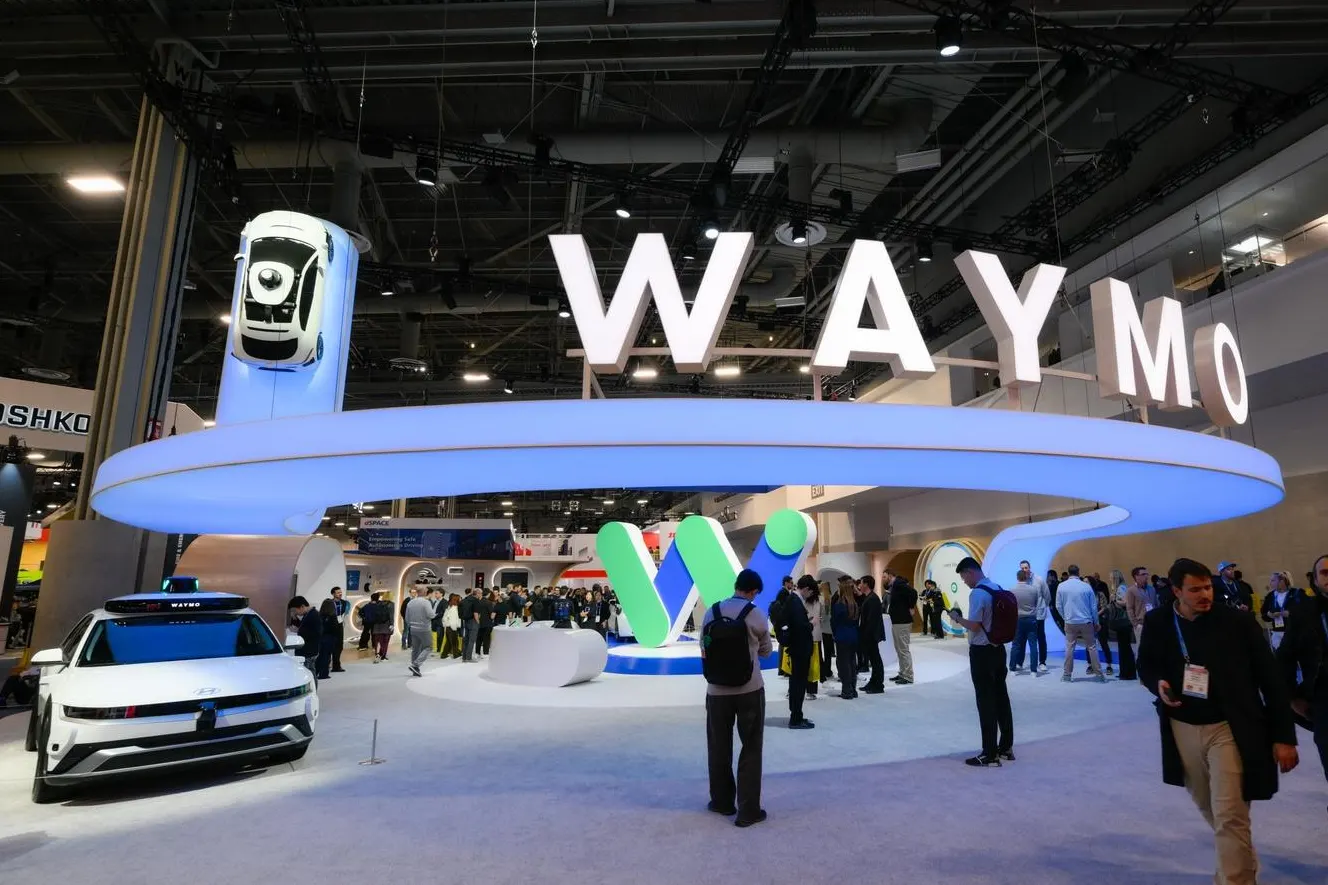
Waymo robotaxi expansion is entering a new phase after the autonomous vehicle company secured 16 billion dollars in fresh funding to accelerate its global rollout. The capital injection marks one of the largest commitments yet to commercial self driving mobility and signals strong investor confidence in the long term viability of robotaxi services.
As a subsidiary of Alphabet, Waymo has spent more than a decade refining its autonomous driving technology. The new funding round positions the company to scale operations beyond its existing markets and intensify competition in a sector that has seen both breakthroughs and setbacks.
The Waymo robotaxi expansion strategy focuses on deploying fully autonomous vehicles in more cities, strengthening partnerships with automotive manufacturers, and expanding ride hailing services that operate without human drivers.
In an industry where technological complexity and regulatory scrutiny remain high, the size of this investment underscores the belief that autonomous mobility is approaching a commercial tipping point.
The Strategic Significance Of Waymo Robotaxi Expansion
The 16 billion dollar raise supporting Waymo robotaxi expansion is not merely about fleet growth. It represents a strategic push to dominate the emerging autonomous ride hailing market.
Waymo already operates commercial robotaxi services in select US cities, including Phoenix and San Francisco. These services allow passengers to book rides through an app and travel in vehicles equipped with advanced sensors, cameras, radar, and lidar systems.
Scaling beyond pilot programs requires massive capital. Autonomous vehicles demand significant upfront investment in research and development, mapping infrastructure, fleet manufacturing, and safety validation.
The Waymo robotaxi expansion plan includes entering new urban markets where regulatory approval and infrastructure readiness align. Expanding internationally may also be on the horizon as global cities explore solutions for congestion and emissions reduction.
This funding strengthens Waymo’s ability to invest aggressively in technology refinement, including improved perception systems and artificial intelligence algorithms that enable safer navigation in complex traffic environments.
Competitive Landscape In Autonomous Driving
The Waymo robotaxi expansion unfolds amid fierce competition. Rivals such as Cruise, Tesla, and various Chinese autonomous driving startups are racing to establish dominance.
Waymo’s advantage lies in its long operational history and deep integration with Alphabet’s technological ecosystem. Access to advanced AI research, cloud computing infrastructure, and mapping capabilities provides a strong foundation.
However, the autonomous vehicle sector has faced setbacks in recent years, including safety incidents and regulatory hurdles. Public trust remains a key factor in adoption.
The 16 billion dollar funding round suggests investors believe Waymo has reached a level of technical maturity capable of overcoming these challenges.
The Waymo robotaxi expansion could also influence industry consolidation. Companies that struggle to secure capital may seek partnerships or acquisitions, reshaping the competitive landscape.
As governments implement stricter safety standards, only well funded players with robust compliance frameworks may be able to scale effectively.
Financial Implications And Long Term Profitability
Despite technological progress, profitability in autonomous ride hailing remains an open question. High development costs, fleet maintenance expenses, and insurance considerations present substantial financial challenges.
The Waymo robotaxi expansion strategy appears focused on achieving economies of scale. By increasing fleet size and expanding service areas, Waymo can spread fixed costs over a larger base of rides.
Autonomous vehicles eliminate driver wages, which represent a major cost component in traditional ride hailing models. If technology reliability improves and utilization rates increase, margins could eventually surpass those of conventional services.
The 16 billion dollar raise provides runway to refine operations and optimize cost structures. It also signals that investors are willing to tolerate longer timelines in exchange for transformative market potential.
Analysts view robotaxi services as a gateway to broader mobility ecosystems that may include logistics, autonomous trucking, and integrated urban transport networks.
In this context, Waymo robotaxi expansion is not just about passenger rides. It is about establishing infrastructure and brand credibility in the autonomous mobility domain.
Global Urban Mobility Transformation
Urban centers worldwide face mounting pressure from traffic congestion, pollution, and population growth. Autonomous vehicles are often promoted as part of the solution.
Waymo robotaxi expansion aligns with this narrative. Self driving fleets can potentially reduce accidents caused by human error, optimize routing efficiency, and lower emissions when paired with electric vehicles.
Many cities are exploring smart mobility frameworks that integrate autonomous services with public transport systems. Waymo’s expansion into new markets could support these initiatives.
International expansion, however, requires navigating complex regulatory landscapes. Different countries maintain varying standards for testing and deploying autonomous vehicles.
The funding secured for Waymo robotaxi expansion equips the company to invest in compliance, local partnerships, and infrastructure adaptation necessary for global rollout.
Technology Development And Safety Advancements
At the heart of Waymo robotaxi expansion lies continuous improvement in autonomous driving software and hardware.
Waymo’s vehicles rely on a combination of sensors and machine learning algorithms to interpret surroundings in real time. Enhancements in object detection, predictive modeling, and edge case management are essential for safe operation.
The infusion of 16 billion dollars enables further research in artificial intelligence, simulation testing, and redundancy systems that enhance reliability.
Safety remains paramount. Public acceptance depends on demonstrable reductions in accident rates compared to human driven vehicles.
Waymo has published safety reports detailing millions of miles driven autonomously. Scaling these operations through Waymo robotaxi expansion provides additional data to refine algorithms and validate performance.
Investor Confidence And Market Signal
Securing 16 billion dollars for Waymo robotaxi expansion sends a powerful market signal. It indicates that despite periodic skepticism, large scale investors see autonomous mobility as inevitable.
Alphabet’s continued backing underscores strategic commitment. Rather than spinning off or downsizing autonomous operations, the company is doubling down.
The funding may also encourage other technology firms to sustain long term investment in robotics and AI driven transport.
Financial markets often oscillate between hype and caution regarding self driving technology. This substantial raise suggests that institutional capital is leaning toward optimism.
Outlook For The Autonomous Mobility Sector
Looking ahead, Waymo robotaxi expansion could accelerate mainstream adoption of driverless transport.
If deployment in additional cities proceeds smoothly, public familiarity with autonomous rides will increase. Gradual normalization may reduce psychological barriers.
However, challenges remain. Infrastructure compatibility, cybersecurity risks, and ethical considerations around algorithmic decision making require ongoing attention.
Waymo’s strengthened financial position allows it to address these issues proactively.
The broader autonomous vehicle industry stands at a crossroads. After years of development, commercialization is gaining momentum. Funding at this scale suggests confidence that the next decade will see tangible transformation in urban mobility.
Waymo robotaxi expansion represents both ambition and validation. Ambition to reshape transportation globally, and validation that investors believe the technology is ready to scale.
If successful, this phase of growth could redefine how cities move people and goods, ushering in a new era of autonomous mobility.
Read More