





 Friday, 09-10-26








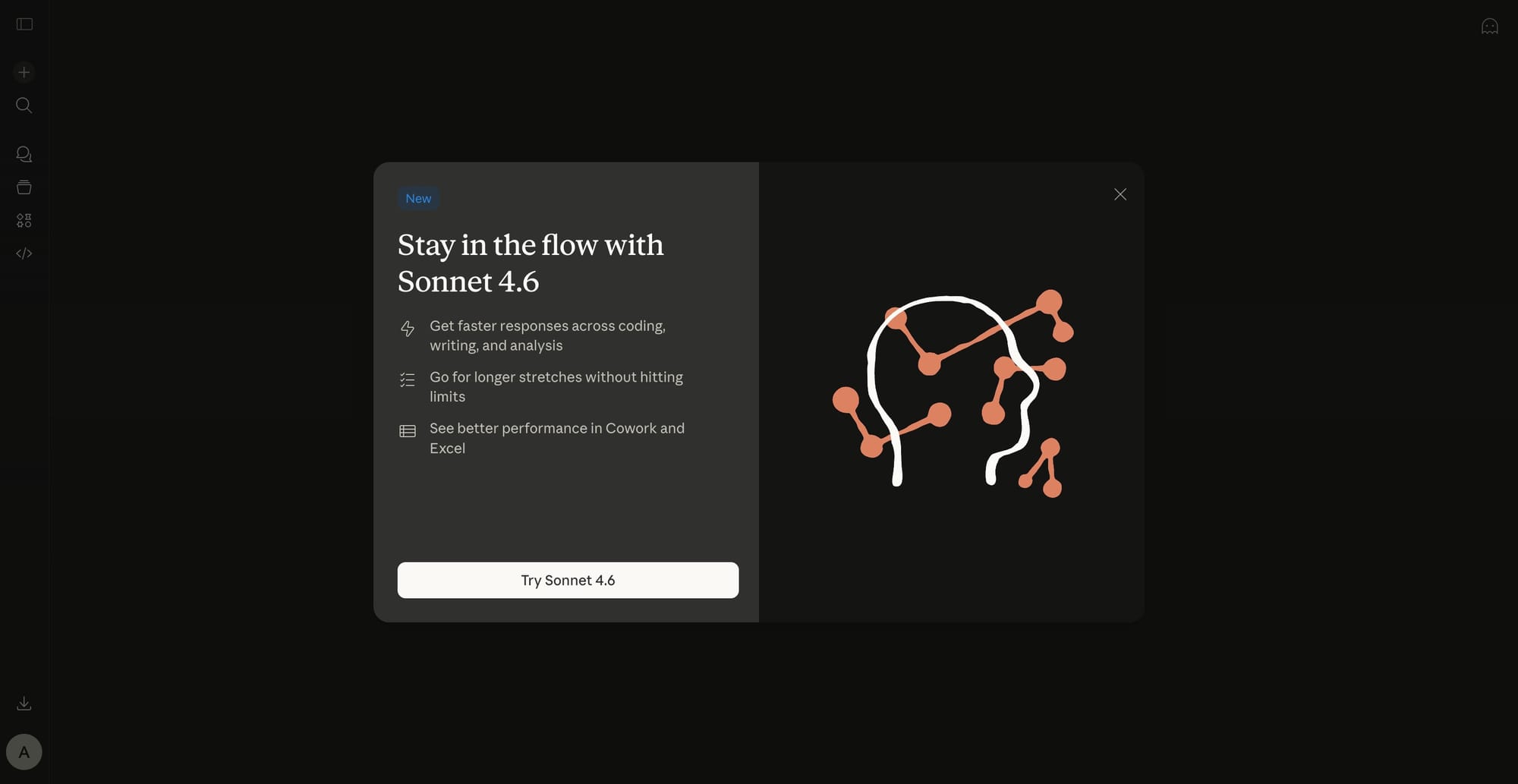
On February 17, 2026, TechCrunch reported that Anthropic has officially released a major upgrade to its Claude Sonnet series with Anthropic Sonnet 4.6. This latest version of the Sonnet model represents a significant step forward in capability for the company’s mid-tier AI offering. Unlike past iterations geared toward basic language tasks, Sonnet 4.6 delivers expanded performance across coding, computer use, long-context reasoning, and a broader range of knowledge work. It also introduces a massive new context window and retains pricing parity with its predecessor.
The arrival of Anthropic Sonnet 4.6 reflects broader industry trends pushing advanced AI capabilities to more users and use cases. By making powerful machine intelligence more accessible, Anthropic appears to be intensifying competition with other AI developers, while setting new expectations for performance, affordability, and practical application. This article explores why the release matters, what users can expect, and how this upgrade fits into the rapidly evolving AI landscape.
What’s New In Anthropic Sonnet 4.6
Anthropic Sonnet 4.6 is the most capable version of the Sonnet model yet released by the company, and it brings several notable upgrades compared to earlier versions.
Expanded Context Window
One of the headline features of Sonnet 4.6 is its 1 million token context window (currently in beta), which doubles the maximum context capacity previously available in the Sonnet series. This expanded window allows the model to process extremely large amounts of text in a single prompt, such as entire codebases, lengthy contracts, or dozens of research papers without segmenting the input into multiple pieces. This capability greatly enhances the model’s utility for professional workflows and complex reasoning tasks.
Improved Coding and Computer Use Skills
Sonnet 4.6 delivers measurable improvements in coding, consistent instruction following, and execution of multi-step computer tasks. According to multiple reports, the model is now capable of navigating spreadsheets, filling out complex web forms, and handling real work scenarios that previously required higher-tier AI models. These gains broaden the practical applications for developers and knowledge workers alike.
Better Reasoning, Knowledge Work, and Design
In addition to technical tasks, Anthropic Sonnet 4.6 exhibits stronger long-context reasoning, agent planning, and general knowledge work performance. Benchmarks indicate improvements across categories that test logical thinking, multi-step planning, and comprehension of detailed instructions. This upgrade brings Sonnet 4.6 closer to premium models within Anthropic’s lineup, increasing its attractiveness for enterprise uses.
Default Model For All Users
Anthropic has made Sonnet 4.6 the default model for both Free and Pro plan users. This positions the upgrade as the mainstream experience for Claude users, democratizing access to high-performance AI capabilities without requiring additional subscription costs. The pricing structure for token usage remains unchanged from the prior Sonnet model.
Why Anthropic Sonnet 4.6 Matters
The introduction of Anthropic Sonnet 4.6 is significant for several reasons that extend beyond a simple model update.
Lowering The Barrier For Advanced AI Use
Historically, high-performance AI systems with advanced capabilities were reserved for premium tiers or enterprise customers with substantial budgets. Sonnet 4.6 changes that dynamic by offering many near-flagship features at the same cost structure as earlier, mid-tier models. This shift accelerates the adoption of capable AI tools among individual developers, small teams, and organizations with limited resources.
Competitive Pressure In The AI Market
The AI landscape is fiercely competitive, with companies like OpenAI, Google, and Anthropic racing to deliver models that balance power, efficiency, and accessibility. Anthropic Sonnet 4.6 strategically narrows the gap between mid-tier and premium offerings, reshaping how users evaluate cost versus benefit when choosing an AI platform. Such positioning could influence how other AI developers structure their product tiers and pricing.
Practical Impact On Knowledge Workflows
Beyond novelty, the capabilities introduced in Sonnet 4.6 have practical implications for everyday tasks. Professionals tasked with data analysis, research evaluation, software development, automated process handling, and content generation can now leverage a single model for a wide range of tasks that once required switching between multiple specialized tools. This streamlined workflow can boost productivity across individual and team settings.
Enhanced Accessibility For Broader Audiences
By making Anthropic Sonnet 4.6 the default across free and pro tiers, Anthropic signals its intent to reach a broad base of users, from casual AI enthusiasts to enterprise developers. Accessible pricing combined with increased performance encourages experimentation and integration of AI into daily workflows, education, and professional assignments. This democratization aligns with broader industry trends toward embedding AI deeply into mainstream computing.
Technical Improvements And Benchmark Performance
While product overviews highlight general improvements, technical details reveal the depth of enhancements introduced with Sonnet 4.6.
Benchmark Scores
According to available evaluations, Anthropic Sonnet 4.6 achieves strong benchmark results across coding, reasoning, and problem solving. The model posts competitive scores in contexts like the ARC-AGI-2 evaluation suite, positioning it above many comparable AI systems, albeit still behind some of the highest-tier models like Opus 4.6 or Gemini 3 Deep Think in specific domains.
Practical Task Execution
Beyond synthetic benchmarks, Sonnet 4.6’s capabilities shine in practical tasks. Users report smoother performance in real-world coding workflows, file manipulation, document summarization, and complex data extraction. These improvements stem from enhancements in consistent instruction following and expanded context handling, making Sonnet 4.6 a more reliable assistant for sophisticated knowledge work.
Cost Efficiency And Enterprise Value
Sonnet 4.6’s improved performance compared to its predecessor at the same pricing tier offers a compelling value proposition for enterprise adoption. Organizations seeking to deploy AI at scale without dramatically increasing costs now have a more compelling option in Anthropic’s portfolio. By offering near-Opus-level capabilities at mid-tier pricing, the model alters the calculus of large-scale deployments and automation planning.
Broader Industry Implications
The release of Anthropic Sonnet 4.6 comes amid a broader AI industry wave focused on expanding context windows, improving tool integration, and embedding advanced reasoning into commercial tools. As developers push the limits of what mid-tier models can accomplish, the line between premium and mainstream AI offerings continues to blur.
Impacts On Developers And AI Workflows
Developers now have access to a model capable of handling extensive codebases or long documents in a single request. This reduces the complexity of engineering workflows and opens new possibilities for building AI-augmented developer tools, code review assistants, and collaborative coding platforms. Increased accessibility to such capabilities could spur innovation in software design and automation.
Adoption In Enterprise Settings
Businesses evaluating AI integration for operational enhancement will find Sonnet 4.6’s expanded capabilities appealing. From automating repetitive knowledge work to enabling complex agent planning tasks, the model’s improvements align with enterprise objectives related to efficiency, scalability, and cost-effectiveness.
Influence On Competitive Dynamics
As Anthropic pushes forward with accessible, capable models, competing AI providers may accelerate their own development roadmaps or reassess pricing strategies to maintain market position. The evolution of mid-tier models impacts product differentiation strategies and could influence where users choose to invest in long-term AI dependencies.
Anthropic Sonnet 4.6 represents a pivotal moment in the evolution of accessible AI. By combining major performance improvements, a massive context window, and affordable pricing, it expands the potential for AI to meaningfully support an ever wider range of professional and creative tasks. From improved coding and computer use to enhanced reasoning and document handling, Sonnet 4.6 brings capabilities once reserved for top-tier models to mainstream users.
As AI continues its rapid advance, releases like Sonnet 4.6 help shape the practical expectations of what intelligent systems can do, who can use them, and how they integrate into everyday life. Whether for individual learners, developers, or enterprise teams, Anthropic’s latest upgrade signals that advanced AI is becoming more powerful, more affordable, and more central to how work gets done in 2026 and beyond.
Read More