





 Sunday, 13-09-26








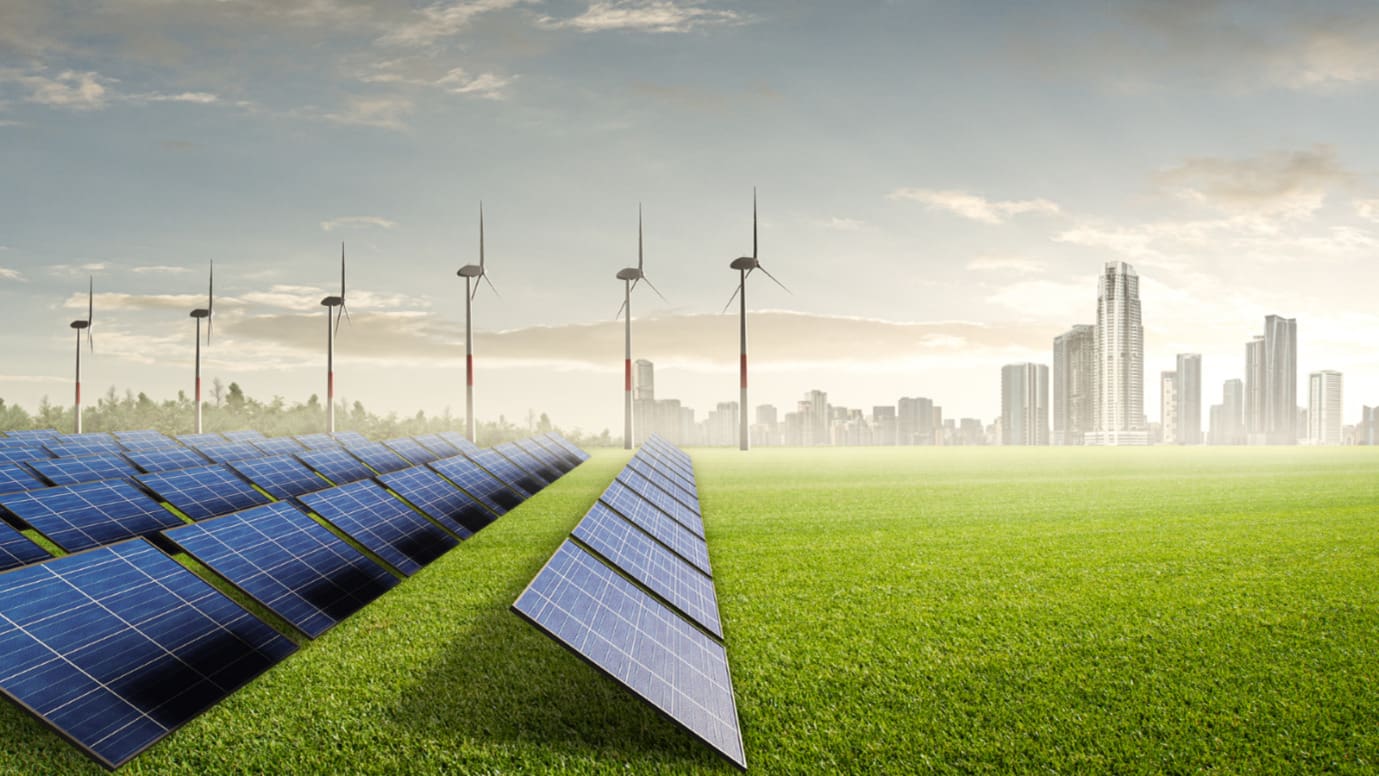
Artificial intelligence is rapidly reshaping the global energy landscape, accelerating the transition from fossil fuels to sustainable electricity systems. As renewable energy sources like solar and wind proliferate, and emerging technologies such as nuclear fusion gain traction, the complexity of managing energy systems has grown significantly. Advanced AI technologies are stepping in to tackle these challenges, from optimizing power flows on the grid to predicting plasma behavior in fusion reactors. AI energy transition smart grids have become a central theme in discussions about how to achieve a carbon-free, resilient energy future.
In this article, we will explore the multifaceted role that artificial intelligence plays in modernizing energy grids, enabling renewable integration, and supporting innovative technologies like fusion. We will also examine real-world applications, potential economic impacts, and the challenges that come with deploying AI at scale.
The Growing Complexity of Energy Systems
The global energy transition is underway, driven by climate targets, technological innovation, and policy commitments to reduce greenhouse gas emissions. As renewable energy capacity grows, the traditional centralized model of power generation is being replaced by more decentralized and variable generation sources. Solar panels on rooftops, wind farms in remote regions, and batteries scattered across distribution networks all contribute to an increasingly complex energy topology.
In this environment, maintaining grid balance—where electricity supply matches demand at every moment—becomes more challenging. Unlike conventional power plants that can be ramped up or down predictably, renewable sources fluctuate with weather conditions and time of day. Managing these dynamics requires real-time analytics and predictive control far beyond traditional grid management capabilities.
Here’s where AI energy transition smart grids come into play. By harnessing machine learning, neural networks, and advanced analytics, grid operators can now forecast demand and supply with unprecedented precision, optimize the dispatch of distributed energy resources, and minimize waste across the system.
Real-World AI Applications in Grid Management
Enhancing Grid Throughput and Reliability
One of the most tangible examples of AI in energy comes from utility companies deploying intelligent systems to improve the performance of physical infrastructure. In the United Kingdom, utility firm SSE has experimented with AI-enhanced tools like a Bluetooth-enabled “smart hammer” that monitors the condition of electricity poles. The device collects acoustic data and feeds it into an AI model that can predict when maintenance is needed, reducing downtime and enhancing safety. AI is also used to calculate the maximum safe load on transmission lines by factoring in temperature, wind, and cloud cover—allowing operators to safely increase capacity and improve grid resilience.
AI systems also assist in managing renewable assets. For example, real-time analytics can determine the optimal orientation of wind turbine blades to capture maximum energy based on weather forecasts. This involves coordinating multiple AI components: one predicts wind patterns, another controls blade actuation, and yet another integrates production data into broader grid forecasts.
Balancing Distributed Energy Resources
As households adopt solar panels, heat pumps, batteries, and electric vehicles, energy flows in and out of the grid at a much finer scale. This fragmentation makes balancing supply and demand more complex, but it also offers opportunities for AI to coordinate distributed resources more efficiently than human operators could. AI algorithms analyze consumption patterns, weather data, and grid conditions to recommend when to store energy, sell it back to the grid, or run appliances based on cost and demand.
This distributed coordination is crucial for preventing congestion in urban centers where solar generation may exceed local load or for managing isolated grid segments that lack sufficient generation. Without intelligent systems, these dynamics can lead to instability or curtailment of renewable resources.
Predictive Maintenance and Operational Efficiency
Beyond physical infrastructure and generation, AI energy transition smart grids optimize maintenance and operational decisions. Predictive analytics identify failing components before they cause blackouts, reduce unplanned outages, and extend the lifespan of assets. Predictions based on historical performance and sensor data allow utilities to plan scheduled maintenance rather than reactively addressing failures.
For example, AI can process large data sets from transformer sensors to detect early signs of degradation. This reduces emergency interventions and costly repairs by enabling targeted actions at the right time. Improved asset management not only cuts costs but also enhances service reliability for consumers.
AI’s Role in Emerging Energy Technologies
Accelerating Fusion Energy Research
While grid optimization and renewable integration are critical near-term applications, AI is also accelerating breakthroughs in pioneering energy technologies such as nuclear fusion. Although fusion power remains experimental, it holds the promise of virtually limitless, carbon-free energy. AI is being applied in fusion research to predict and stabilize the behavior of superheated plasma—the core of a fusion reaction. Researchers use deep reinforcement learning and digital twin simulations to anticipate instabilities and adjust control parameters, significantly speeding up experimental progress and reducing the number of costly physical tests.
In China, the United Kingdom, and the United States, AI-driven systems are enabling more precise control of fusion experiments. Digital twins replicate physical reactors in virtual environments, allowing scientists to simulate scenarios and optimize configurations. This represents a powerful symbiosis between data science and energy engineering, demonstrating that AI energy transition smart grids are not limited to managing today’s grids but also shaping tomorrow’s energy sources.
Supporting Traditional Energy Infrastructure
Artificial intelligence is also being used to modernize legacy energy sectors. For example, oil and gas companies have identified hundreds of AI use cases across their operations, from reservoir modeling to equipment diagnostics. These applications enhance efficiency and safety, and generate significant economic value as companies seek to transition toward lower-carbon practices.
By developing proprietary AI models tailored to energy data, firms can improve cybersecurity, streamline operations, and adapt to evolving market conditions. These investments also support decarbonization efforts by reducing waste and improving resource utilization.
Economic and Policy Impacts
The integration of AI into energy systems has broader implications for economies and policy frameworks. AI energy transition smart grids can contribute to lower operating costs, improved energy security, and greater grid resilience. According to industry surveys, a majority of energy executives see AI and autonomous systems as key to transforming their operations and achieving climate goals.
However, realizing the full potential of AI in the energy sector requires careful policy and regulatory support. Governments need to incentivize investments in digital infrastructure, data sharing, and workforce training. Clear standards for AI governance are also essential to address concerns about transparency, privacy, and algorithmic bias in critical energy systems.
In addition, funding for research and pilot projects can help bridge the gap between experimental technologies like fusion and commercial deployment. Collaborative efforts between public institutions, private companies, and academic researchers will be vital to drive innovation while ensuring equitable access to energy services.
Challenges and Future Directions
Despite its transformative potential, integrating AI into energy systems is not without challenges. High implementation costs, data silos, and technical barriers can hinder adoption. Energy utilities often operate with aging infrastructure and limited technical capacity, making the transition to AI-enabled systems difficult. There are also concerns about cybersecurity risks as grids become more connected and reliant on digital tools.
Moreover, the expansion of AI itself increases electricity demand, particularly in data centers and computational facilities. This creates a paradox where technologies that aid the energy transition also contribute to energy consumption. Policymakers and industry leaders will need to balance these dynamics by promoting energy-efficient AI hardware and integrating renewable power for computing loads.
Looking ahead, AI energy transition smart grids will continue to evolve as machine learning models become more sophisticated and data infrastructure improves. Advances in edge computing, Internet of Things sensor networks, and autonomous control systems will further enhance grid performance, enabling faster response times and localized energy management.
Conclusion
Artificial intelligence is no longer an experimental add-on for energy systems; it has become a core engine driving the transition to a cleaner, more resilient power future. From smart grid optimization and predictive maintenance to supporting the next frontier technologies like nuclear fusion, AI energy transition smart grids are transforming how energy is produced, transmitted, and consumed. The journey toward a sustainable energy economy is complex and ongoing, but AI’s role as a catalyst for innovation and efficiency is unmistakable.
As governments, utilities, and technology firms continue to invest in these capabilities, the promise of a decarbonized, intelligent energy system becomes more achievable. Embracing the opportunities and addressing the challenges will be essential to building a stable and equitable energy future for all.
Read More