





 Tuesday, 20-10-26








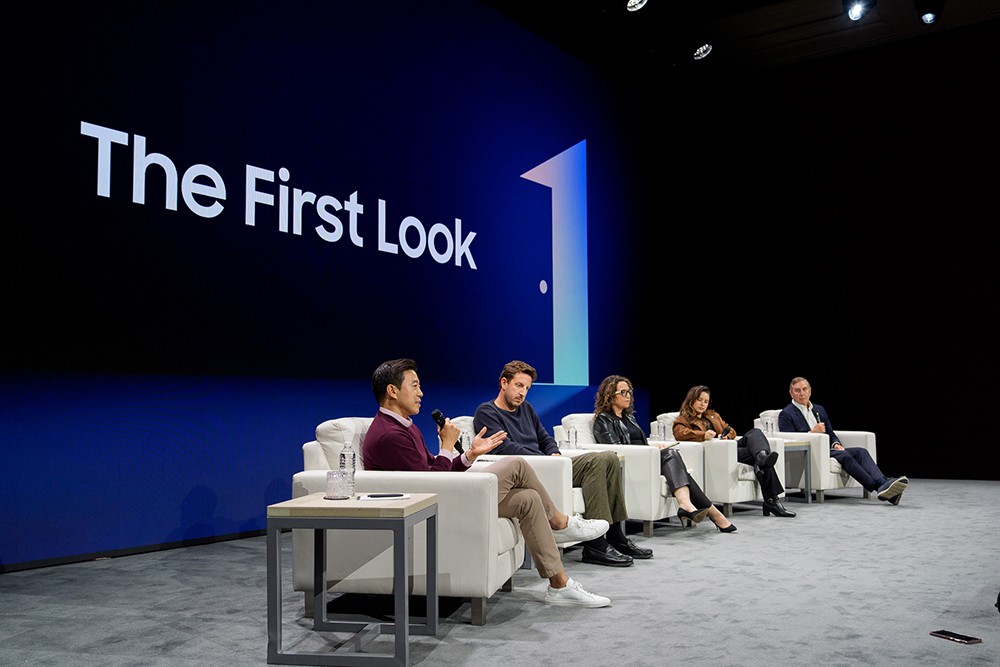
Samsung Electronics hosted a panel discussion at CES 2026 titled “In Tech We Trust? Rethinking Security & Privacy in the AI Age” at The Wynn, Las Vegas (07/01). The session brought together global experts in technology, research, and ethics to examine how trust shapes AI adoption as it becomes increasingly integrated into daily life.
Building Predictable and Transparent AI Experiences
Panelists, including Allie K. Miller, CEO of Open Machine; Amy Webb, CEO of Future Today Strategy Group; Zack Kass, Global AI Advisor at ZKAI Advisory and former Head of Go-To-Market at OpenAI; and Shin Baik, Group Head of Samsung’s AI Platform Center, emphasized that trust is earned through consistent, transparent, and understandable behavior rather than promises.
Samsung outlined its trust-by-design approach, focusing on AI systems that are predictable, transparent, and controllable by users. “When it comes to AI, users want transparency and control,” said Allie Miller.
“They want to understand whether AI models run on the device or in the cloud, ensure their data is secure, and see clearly which features are AI-supported. This level of visibility builds trust. Providers also have a responsibility to deliver personalized experiences based on clarity, security, and accountability.”
The company highlighted that on-device AI keeps personal data local whenever possible, while cloud-based intelligence is used selectively for speed or scale, allowing flexibility without compromising privacy.
Security Innovations for an AI-Driven World
As AI becomes more distributed across devices such as smartphones, TVs, and home appliances, security measures must evolve. Samsung highlighted its Knox platform, which protects billions of devices from the chipset level, and Knox Matrix, a cross-device security framework enabling products to authenticate and safeguard one another.
“Trust in AI starts with proven security, not just a promise,” said Shin Baik. “For over a decade, Samsung Knox has provided deeply embedded protection for sensitive data at every layer. But trust cannot rest on a single device—it requires an ecosystem that can defend itself. Through Knox, devices continuously authenticate and monitor one another, creating a resilient and secure environment users can rely on.”
Cross-Industry Collaboration to Strengthen AI Confidence
Shin Baik noted that trust grows when AI behaves predictably and safely across multiple devices and when users are given clear control signals, rather than facing a “black box” system. Samsung also highlighted partnerships with Google and Microsoft to advance security research, interoperability, and ecosystem-wide protection.
Allie Miller emphasized the need for user transparency, including knowing where AI models operate, how data is used, and clear labels for AI-supported features. Zack Kass added, “For every risk, there is a countermeasure, and technology will play a key role in mitigating AI’s negative impacts.”
Trust, Convenience, and the Future of AI Adoption
Amy Webb discussed the relationship between trust and consumer behavior. “I don’t see consumers making decisions based solely on trust,” she said. “People don’t buy something just because they trust it. They buy because of convenience. If AI can capture attention by making life easier and more practical, that is where its real value lies.”
Panelists agreed that as AI becomes increasingly invisible in daily life, technology designed with security, transparency, and meaningful user choices from the start will be crucial for building long-term trust.
PHOTO: SAMSUNG
This article was created with AI assistance.
Read More