





 Monday, 12-10-26








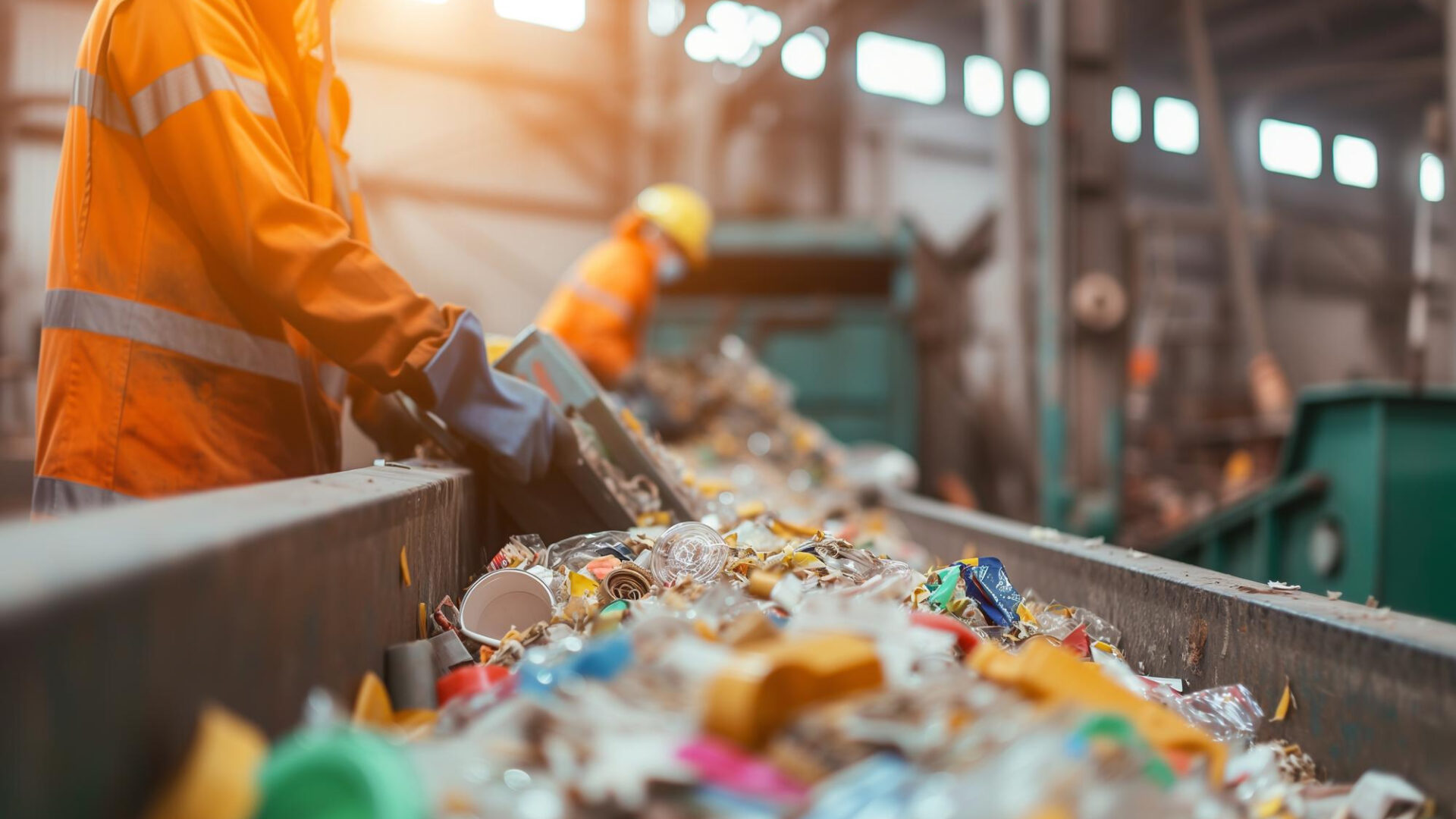
In Southeast Asia, burgeoning economic growth has brought a parallel challenge: ever-increasing municipal and industrial waste. Rapid urbanization, rising consumption, and the expansion of manufacturing sectors are generating substantial volumes of solid waste across ASEAN economies. However, this challenge is shifting into a strategic economic opportunity, transforming waste into an asset class and a business growth frontier through circular economy principles, advanced technologies, and private sector innovation.
According to market intelligence, the ASEAN waste management market was valued at approximately USD 9.50 billion in 2024, with projections pointing to sustained expansion through the late 2020s and beyond as countries increasingly adopt formal, value-oriented waste solutions.
This transformation, from waste burden to economic value, is the heart of what it means to turn “trash into treasure.” Across Southeast Asia, companies are finding ways to monetize waste streams, reduce environmental impact, and create new value chains that align with both commercial incentives and sustainability goals.

ASEAN’s Waste Challenge: A Context of Scale and Urgency
ASEAN’s waste management deficit is the backdrop for this emerging business frontier. The region contributes a significant portion of the world’s waste, with estimates showing that ASEAN economies account for more than half of global marine plastic pollution due to ineffective waste systems.
Despite the scale of the challenge, including the fact that over half of all waste generated in ASEAN remains uncollected, regional governments and private actors alike are recognizing the economic upside of waste transformation. Policies emphasizing recycling, reuse, and resource recovery are creating predictable market demand for technologies and services that go beyond conventional disposal.
This shift aligns with broader global trends: the Asia-Pacific waste-to-energy sector alone is projected to grow from USD 42.7 billion in 2025 to USD 82.1 billion by 2035, largely driven by demand for renewable energy, landfill diversion, and sustainable waste management.
Market Growth Drivers: Urbanization, Regulation, and Technology
Several macroeconomic and policy drivers are shaping this transformation:
1. Rapid Urbanization and Increased Waste Generation
Urban growth, especially in Indonesia, Vietnam, Thailand, and the Philippines, is driving steep increases in municipal solid waste (MSW). In Indonesia alone, approximately 175,000 tons of waste are generated daily, with projections rising in line with population growth and higher consumption patterns.
This surge is turning waste streams into raw material pools for business models centered on material recovery, recycling, and energy recovery — especially when paired with urban infrastructure demand for sustainable solutions.
2. Regulatory Frameworks and Extended Producer Responsibility (EPR)
Effective policy frameworks across ASEAN are aligning corporate incentives with environmental outcomes. Several member states are actively developing EPR systems, which hold producers accountable for the downstream fate of their products and packaging.
EPR is more than a regulatory obligation; when implemented well, it helps create stable revenue streams for recycling infrastructure, incentivizes product design that prioritizes material recovery, and encourages corporate investment in circular ventures.
3. Private Sector Investment and Infrastructure Scaling
Governments in the region are actively courting private capital to build waste management infrastructure. Indonesia’s sovereign wealth fund, Danantara, plans to launch at least eight large-scale waste-to-energy (WtE) plants by late 2025, converting municipal waste into electricity while addressing a severe waste backlog.
Moreover, feed-in tariffs, fiscal incentives, and foreign investment facilitation are helping attract capital into sectors once perceived as low-margin and risky.
How ASEAN Companies Are Turning Waste into Wealth
Across Southeast Asia, enterprises, from startups to multinational players, are successfully capturing value from waste streams. Their approaches vary widely, but the common thread is strategic innovation that aligns environmental necessity with business opportunity.

1. Integrated Circular Platforms and Resource Recovery
A prime example in the region is Blue Planet, a Singapore-based integrated waste management platform. While operating beyond ASEAN, its Southeast Asia activities offer a compelling blueprint: combining landfill reclamation, hazardous and electronic waste recycling, biogas generation, and energy recovery under one ecosystem.
Blue Planet’s model illustrates a shift from siloed waste services toward end-to-end circular systems where:
- Materials are recovered and reintroduced into supply chains.
- Waste streams become feedstock for energy or chemical products.
- Service-based revenue models (e.g., contracted recycling services) supplement traditional disposal fees.
This approach underscores how companies can generate multiple streams of economic value from a single waste flow, a fundamental principle of circular economics.
2. Waste-to-Energy (WtE) Solutions
Waste-to-energy infrastructure exemplifies a high-value pathway for converting waste liabilities into energy assets. In Southeast Asia, the WtE market is gaining traction due to dual pressures: the need for waste reduction and the demand for secure, clean power sources.
Singapore, for instance, commands around 25% of the region’s WtE capacity thanks to its mature waste management systems and strong regulatory environment.
Companies like KIS Group, headquartered in Singapore, are pioneering sustainable waste-to-energy infrastructure across the region. Through partnerships with impact investors, these firms offer turnkey solutions that convert municipal and industrial waste into clean fuels for industrial clients, helping reduce operational costs while supporting decarbonization targets.
These investments demonstrate how regional players are commercializing waste streams not merely as environmental services but as energy generation businesses, with viable returns and strategic relevance to national climate goals.
3. Digital and Service Innovations in Waste Lifecycle Management
Beyond infrastructure, digital platforms are emerging that optimize waste value chains by improving efficiency and transparency. While many high-profile digital waste companies originate outside ASEAN, the adoption of digital tools in Southeast Asian markets is accelerating.
Digital platforms facilitate connections between waste producers, collectors, and recyclers, thereby reducing transaction costs and increasing material throughput. By enabling better sorting, traceability, and compliance (especially under EPR frameworks), these platforms generate data-driven value in addition to physical recycling outcomes.
Economic and Environmental Impact: Beyond Traditional Metrics
The economic value extracted from waste isn’t only measured in direct revenue. ASEAN’s emerging circular economy, driven by waste-to-wealth initiatives, is expected to contribute meaningfully to broader socioeconomic goals.
Job Creation and Skill Ecosystems
The transition toward circular waste systems encourages the formation of new labour markets centered on recycling, sorting, logistics, and energy plant operations. Estimates suggest that Southeast Asia’s broader circular economy could create millions of jobs by 2030 if fully leveraged, with a significant share within waste and recycling value chains.
Environmental and Climate Benefits
Improved waste management directly reduces environmental pollution, methane emissions from landfills (a potent greenhouse gas), and plastic leakage into marine ecosystems. These benefits, while less immediately monetizable, align with long-term climate goals and can translate into green financing opportunities for investors seeking ESG-aligned assets.
Challenges and Risk Factors: What ASEAN Must Overcome
While the transition from waste to wealth is promising, the road ahead is not without obstacles:
Fragmented Infrastructure and Regulatory Disparities
Waste management systems remain uneven across ASEAN. Countries like Singapore and Malaysia possess sophisticated infrastructure, while others lag due to limited investment or regulatory consistency. Harmonizing EPR frameworks and infrastructure standards is crucial to unlocking broader regional capital flows.
High Capital Costs and Technology Barriers
Construction of WtE plants and advanced recycling facilities requires substantial capital. Per ton capacity, WtE plants may cost tens to hundreds of millions of dollars, presenting financing challenges for local developers without public-private partnership (PPP) support.
Public Awareness and Participation
In cities where household waste sorting and recycling participation remain low, waste streams are often contaminated, reducing the efficacy of recycling and resource recovery systems. Behavioural change campaigns and community engagement are essential complements to infrastructure investment.
Strategic Outlook: What’s Next for Investors and Businesses
Looking ahead to early 2026 and beyond, several strategic themes will shape ASEAN’s waste-to-wealth ecosystem:
1. Green Financial Instruments and Investment Syndication
Green bonds, sustainability-linked loans, and blended finance instruments are becoming more prevalent, providing novel ways to fund infrastructure gaps. Investments that tie waste management outcomes to climate goals increase institutional investor interest.
2. Cross-Border Partnerships and Technological Leapfrogging
Collaborations between ASEAN companies and global technology providers accelerate the adoption of best practices, from thermal processing to AI-driven sorting and circular supply chain platforms. Such partnerships can help bridge capability gaps and standardize performance benchmarks.
3. Integration of Informal Sector into Formal Value Chains
In many ASEAN cities, informal waste collectors still play a significant role. Integrating these workers into formal waste service frameworks not only improves material recovery rates but also expands labour inclusivity and economic participation.
The emergence of waste management as a strategic economic sector in Southeast Asia reflects a convergence of environmental necessity and commercial logic. From rising market valuations to innovative technology adoption, ASEAN companies are discovering pathways to unlock value from what was once discarded. This transition, turning trash into treasure, is emblematic of a broader shift toward circular economic models that promise sustainable growth, new revenue streams, and measurable impact on climate and community well-being.
For business leaders, investors, and policymakers, ASEAN’s waste-to-wealth transformation represents both a challenge and an opportunity: a chance to reimagine waste not as a liability but as a strategic resource for economic and environmental resilience.
References
- ASEAN Waste Management Market Size, Share & Forecast. Verified Market Research.
- Blue Planet waste transformation platform details. Novo Holdings press release.
- Southeast Asia waste-to-energy market overview. Mordor Intelligence.
- Singapore-based KIS Group investment in WtE by GCPF.
- ASEAN waste management industry projections. MarketReportAnalytics.
- ASEAN’s waste and circular economy job potential. EU-ASEAN circular economy report.
- Indonesia waste-to-energy sector developments. Reuters & ESGNews.
- Indonesia circular economy and green finance initiatives.
- Policy and EPR alignment challenges.
- Indonesia waste types & urbanization impacts.
