





 Monday, 12-10-26








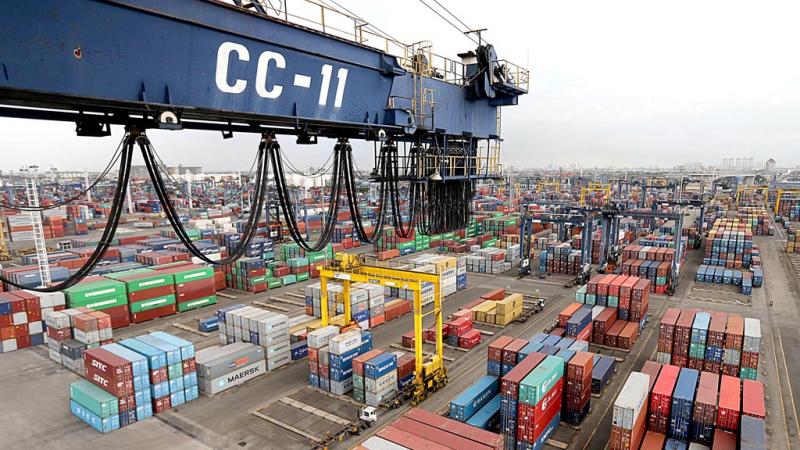
For decades, logistics has been perceived as a necessary but costly component of economic activity. High transportation costs, inefficient warehousing, fragmented distribution networks, and limited data visibility have long positioned logistics as a burden rather than a source of value. However, the emergence of the digital logistics transformation is fundamentally reshaping this narrative. In the digital era, logistics is no longer merely about moving goods from one point to another. It has become a strategic enabler of competitiveness, productivity, and economic growth.
Indonesia, with its vast archipelagic geography and rapidly expanding digital economy, stands at a critical juncture. As trade volumes increase and consumer expectations evolve, logistics must evolve in parallel. The integration of digital technologies is turning logistics into a catalyst that supports industrial efficiency, strengthens supply chains, and enhances national competitiveness.
Logistics As A Structural Challenge In The Past
Historically, logistics inefficiencies have been a major constraint on economic development. High logistics costs have reduced profit margins for businesses, increased consumer prices, and weakened export competitiveness. In Indonesia, geographic dispersion across thousands of islands has compounded these challenges, leading to uneven infrastructure development and limited connectivity between production centers and markets.
Manual processes, paper based documentation, and siloed systems dominated logistics operations for years. Decision making relied heavily on experience rather than data, resulting in delays, inventory mismatches, and higher operational risk. In this context, logistics was often viewed as an unavoidable expense rather than a strategic function.
This perception began to change as digital technologies matured and global supply chains became more integrated. Companies increasingly recognized that logistics performance directly influences customer satisfaction, speed to market, and overall business resilience.
The Rise Of Digital Logistics Transformation
The digital logistics transformation refers to the integration of digital technologies across logistics processes, including transportation, warehousing, inventory management, and distribution planning. Technologies such as data analytics, cloud platforms, Internet of Things sensors, artificial intelligence, and automation are enabling logistics providers and shippers to operate with unprecedented efficiency and transparency.
Digital platforms now allow real time tracking of shipments, predictive demand forecasting, and dynamic route optimization. This shift reduces uncertainty and enables proactive decision making. Instead of reacting to disruptions, companies can anticipate bottlenecks and adjust operations accordingly.
In Indonesia, the adoption of digital logistics solutions is gaining momentum, driven by the growth of e-commerce, manufacturing expansion, and government initiatives to improve supply chain efficiency. As businesses digitize their operations, logistics becomes an integral part of their digital transformation journey.
From Cost Center To Strategic Asset
One of the most significant impacts of the digital logistics transformation is the repositioning of logistics from a cost center to a strategic asset. By leveraging data and automation, companies can reduce waste, improve asset utilization, and enhance service reliability.
For manufacturers, digital logistics enables better coordination between production schedules and distribution networks. This alignment minimizes inventory holding costs and reduces the risk of overproduction or stock shortages. For retailers and e-commerce platforms, efficient logistics is essential for meeting delivery expectations and building customer loyalty.
Logistics service providers also benefit from digitalization. Advanced fleet management systems improve vehicle utilization and fuel efficiency, while automated warehouses increase throughput and accuracy. These gains translate into lower costs and higher margins, allowing logistics firms to offer more competitive pricing and value added services.
Supporting Economic Productivity And Competitiveness
At a macro level, the digital logistics transformation contributes to national productivity and economic competitiveness. Efficient logistics reduces transaction costs across the economy, enabling businesses to allocate resources more effectively. This is particularly important for export oriented industries, where logistics performance directly affects delivery reliability and global market access.
Digital logistics also supports small and medium enterprises by lowering entry barriers to national and international markets. Through digital platforms, smaller businesses can access logistics services that were previously available only to large corporations. This inclusivity strengthens supply chain participation and promotes more balanced economic growth.
For Indonesia, improving logistics efficiency is critical to narrowing regional disparities. Digital solutions can help connect remote areas to major markets, supporting rural producers and integrating them into national value chains.
Enhancing Supply Chain Resilience
Recent global disruptions have highlighted the importance of resilient supply chains. The digital logistics transformation plays a vital role in strengthening resilience by improving visibility and flexibility. Real time data allows companies to monitor supply chain performance continuously and respond quickly to unexpected events.
Digital tools enable scenario planning and risk assessment, helping businesses prepare for disruptions such as natural disasters, demand shocks, or transportation constraints. This capability is especially valuable in a geographically complex country like Indonesia, where logistics networks are exposed to diverse risks.
By improving coordination among supply chain partners, digital logistics reduces dependency on single routes or suppliers. This diversification enhances stability and supports long term economic sustainability.
Role Of Policy And Infrastructure
While technology is a key driver, the success of the digital logistics transformation also depends on supportive policies and infrastructure. Governments play a crucial role in creating an enabling environment through regulatory reform, infrastructure investment, and digital standards development.
In Indonesia, efforts to modernize ports, improve road and rail connectivity, and streamline customs procedures are essential complements to digitalization. Digital platforms are most effective when supported by reliable physical infrastructure and clear regulatory frameworks.
Public private collaboration is particularly important in logistics transformation. By aligning policy objectives with industry innovation, governments can accelerate adoption and ensure that digital logistics delivers broad economic benefits.
Human Capital And Organizational Change
Digital logistics is not solely about technology. It requires a shift in mindset and organizational capabilities. The digital logistics transformation demands new skills in data analysis, systems integration, and digital operations management.
Companies must invest in workforce upskilling to fully realize the benefits of digitalization. Training programs and cross functional collaboration help bridge the gap between traditional logistics expertise and digital capabilities.
Leadership commitment is also critical. Successful transformation requires a clear vision, strong governance, and a willingness to redesign processes. Organizations that treat digital logistics as a strategic priority are more likely to achieve sustainable results.
Future Outlook For Digital Logistics
Looking ahead, the role of logistics in the digital economy will continue to expand. The digital logistics transformation will increasingly integrate with other digital systems, including smart manufacturing, digital trade platforms, and financial technology solutions.
As data ecosystems become more interconnected, logistics will serve as a backbone that links production, consumption, and trade. Advanced analytics and automation will further enhance efficiency, while sustainability considerations will drive innovation in green logistics solutions.
For Indonesia, the digitalization of logistics represents an opportunity to leapfrog structural constraints and build a more competitive, inclusive, and resilient economy. The challenge lies in maintaining momentum and ensuring that transformation benefits all stakeholders.
Conclusion
The digital logistics transformation marks a turning point in how logistics is perceived and utilized in the economy. No longer a passive cost burden, logistics has emerged as a dynamic catalyst that drives efficiency, resilience, and growth. Through digitalization, logistics is becoming a strategic enabler that supports businesses, empowers small enterprises, and strengthens national competitiveness.
As Indonesia advances deeper into the digital era, embracing logistics transformation will be essential for sustaining economic progress. By combining technology, policy support, and human capital development, logistics can fulfill its potential as a key engine of the digital economy.
Read More