





 Friday, 09-10-26








Indonesia’s energy transition landscape is entering a new phase as corporate players realign their strategies to meet growing sustainability demands. One notable development is the rebranding of PT SOFA into Solusi Environment Asia, marking a decisive shift toward renewable energy and waste to energy projects. This transformation reflects not only a change in corporate identity but also a strategic repositioning aimed at capturing opportunities within Indonesia’s evolving clean energy ecosystem.
The rebrand comes at a time when Indonesia is accelerating its transition toward low carbon energy sources, driven by regulatory pressure, environmental concerns, and increasing investor interest in sustainable infrastructure. By adopting the Solusi Environment Asia identity, the company signals a clearer commitment to environmental solutions, renewable power generation, and circular economy initiatives.
Strategic Rationale Behind The Rebranding
The decision to rebrand as Solusi Environment Asia represents a strategic response to both market dynamics and long term sustainability trends. As Indonesia seeks to reduce reliance on fossil fuels and improve waste management systems, companies operating in the energy and environmental services sector are under pressure to adapt.
Under its previous identity, the company had diversified interests, but the new branding allows for sharper focus and stronger market positioning. The name Solusi Environment Asia directly communicates the company’s ambition to provide environmental solutions not only in Indonesia but potentially across the wider Asian region.
This repositioning also aligns with the growing importance of environmental, social, and governance principles in corporate decision making. Investors, lenders, and project partners increasingly prioritize companies with clear sustainability narratives and measurable environmental impact. By consolidating its focus on renewable energy and waste to energy, Solusi Environment Asia strengthens its appeal to these stakeholders.
Expanding Renewable Energy Portfolio
A core pillar of Solusi Environment Asia’s new direction is renewable energy development. Indonesia possesses vast renewable energy potential, ranging from solar and hydropower to biomass and geothermal resources. However, much of this potential remains underutilized due to infrastructure gaps and financing challenges.
Solusi Environment Asia aims to address these challenges by developing renewable energy projects that are both commercially viable and environmentally responsible. The company’s strategy emphasizes scalable solutions that can support national energy goals while delivering stable long term returns.
Renewable energy investments also offer resilience against volatile fossil fuel prices and regulatory risks associated with carbon emissions. For Solusi Environment Asia, building a diversified renewable energy portfolio supports business sustainability while contributing to Indonesia’s broader decarbonization objectives.
Waste To Energy As A Growth Engine
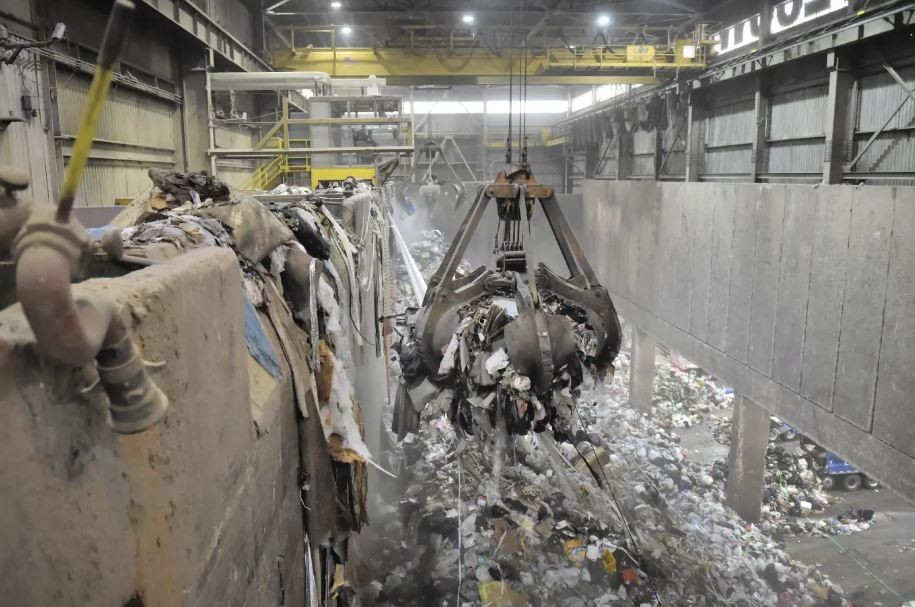
Another major focus area for Solusi Environment Asia is waste to energy development. Indonesia faces persistent waste management challenges, particularly in urban areas where landfill capacity is under strain. Waste to energy projects offer a dual solution by reducing waste volumes while generating electricity or thermal energy.
The company’s entry into waste to energy aligns with government initiatives aimed at improving waste treatment infrastructure and promoting circular economy models. By converting municipal and industrial waste into usable energy, Solusi Environment Asia can help local governments address environmental concerns while supporting energy supply diversification.
Waste to energy projects also provide predictable feedstock and long term revenue streams, making them attractive from an investment perspective. However, successful implementation requires advanced technology, regulatory coordination, and community engagement. Solusi Environment Asia’s renewed focus suggests confidence in its ability to navigate these complexities.
Market Opportunities In Indonesia’s Energy Transition
Indonesia’s commitment to energy transition has created a favorable environment for companies like Solusi Environment Asia. National targets for renewable energy adoption, combined with international climate commitments, are driving demand for clean energy solutions.
Public private partnerships are becoming increasingly important in financing and executing large scale energy and environmental projects. Solusi Environment Asia’s positioning as an environmental solutions provider enhances its ability to collaborate with government agencies, state owned enterprises, and international partners.
In addition, carbon markets and sustainability linked financing instruments are opening new revenue channels for renewable energy and waste to energy projects. By aligning its strategy with these trends, Solusi Environment Asia can leverage innovative financing mechanisms to accelerate project development.
Corporate Transformation And Operational Focus
Beyond branding, the transformation into Solusi Environment Asia involves operational realignment. A sharper focus on renewable energy and waste to energy requires specialized technical expertise, project management capabilities, and regulatory compliance frameworks.
The company’s leadership has emphasized the importance of building internal capacity and strengthening partnerships with technology providers and engineering firms. This approach is critical for ensuring project quality, safety, and long term performance.
Operational discipline will also play a key role in managing risks associated with capital intensive infrastructure projects. By prioritizing efficiency and transparency, Solusi Environment Asia can enhance stakeholder confidence and support sustainable growth.
Regional Ambitions And Long Term Vision
While Indonesia remains the primary market, the Solusi Environment Asia brand suggests broader regional ambitions. Many Asian countries face similar challenges related to waste management, energy security, and emissions reduction. This creates opportunities for cross border collaboration and project replication.
By establishing a strong track record domestically, Solusi Environment Asia can position itself as a regional player in environmental solutions. Knowledge transfer, standardized project models, and strategic alliances could enable expansion beyond national borders over time.
The company’s long term vision appears centered on becoming a trusted partner in Asia’s sustainability journey, delivering integrated solutions that balance environmental impact with economic value.
Challenges And Risk Considerations
Despite strong tailwinds, Solusi Environment Asia operates in a sector characterized by complex regulatory environments and long project timelines. Renewable energy and waste to energy projects often require multiple permits, stakeholder approvals, and significant upfront investment.
Public perception and community engagement also play a crucial role, particularly for waste to energy facilities. Addressing environmental and social concerns transparently is essential for securing local support and avoiding project delays.
Furthermore, competition in the renewable energy sector is intensifying as domestic and international players enter the market. Differentiation through technology, execution capability, and stakeholder relationships will be critical for Solusi Environment Asia’s success.
Conclusion
The rebranding of PT SOFA into Solusi Environment Asia marks a significant strategic shift toward renewable energy and waste to energy development. This transformation reflects broader changes within Indonesia’s energy landscape, where sustainability and environmental responsibility are becoming central to corporate strategy.
By focusing on clean energy solutions, Solusi Environment Asia positions itself to capitalize on growing market demand while contributing to national and regional sustainability goals. Its success will depend on effective execution, strong partnerships, and the ability to navigate regulatory and operational challenges.
As Indonesia continues its energy transition, Solusi Environment Asia’s evolution offers a compelling example of how corporate transformation can align business growth with environmental impact.
Read More