





 Monday, 12-10-26








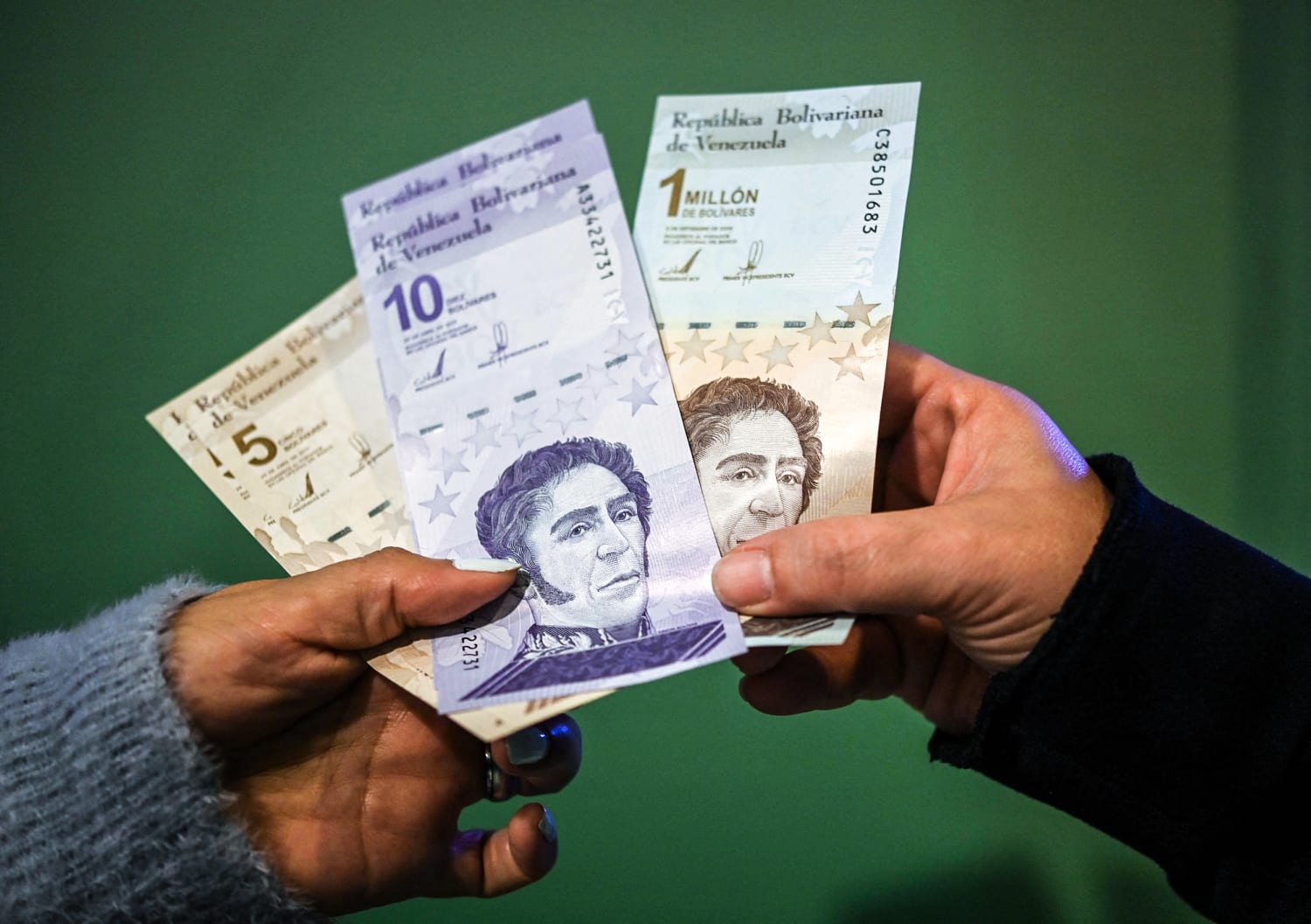
The Venezuelan bolivar has once again fallen into the spotlight as one of the worst-performing currencies in the world, marked by extreme depreciation, rampant inflation, and continued economic stress. By early 2026, official and market exchange rates demonstrate the depth of the currency collapse: one US dollar was valued at 301.37 bolivars officially, a 479.25 percent increase year-on-year, while black-market rates neared 560 bolivars per US dollar, presenting a staggering gap. These figures place Venezuela far down the list of stable currencies, reflecting persistent macroeconomic distortions.
This article provides a data-driven exploration of the bolivar’s collapse, quantifying depreciation, inflation, exchange rate divergence, and the broader economic and social impacts of one of the most dramatic currency crises in recent global history.
The Bolivar’s Historic Collapse in Numbers
To grasp the scale of the crisis, it is essential to examine concrete numbers that show how much the bolivar has lost in value and purchasing power in recent years.
Exchange Rate Depreciation
The official exchange rate, as of early January 2026, was set at 301.37 bolivars per US dollar. This represents a dramatic increase from 52.02 bolivars per US dollar at the start of 2025, translating into a nearly 480 percent depreciation in just twelve months.
On the black market, where the majority of currency transactions occur, the exchange rate reached nearly 560 bolivars per US dollar. This reflects an approximate 85 percent premium over the official rate, highlighting severe currency distortions and limited access to official foreign exchange channels.
On an annual basis, broader market indicators show that the bolivar weakened by approximately 468.51 percent against the US dollar, placing it among the weakest currencies globally.
These figures underscore the scale of Venezuela’s currency collapse, as official and market rates diverge sharply due to capital controls, foreign currency scarcity, and eroding confidence.
Inflation Levels
Inflation remains one of the most critical indicators of currency stability, and Venezuela continues to struggle with extremely elevated price growth.
Annual consumer price inflation reached approximately 172 percent in April 2025, rising from around 136 percent in the previous month. This surge reflects sharp increases across food, transportation, housing, and healthcare costs.
While historical inflation peaked at extreme levels during earlier hyperinflationary episodes, recent trends show inflation stabilizing at persistently high levels consistent with deep economic fragility rather than recovery.
Economic projections suggest inflation could remain near 190 percent in the short term and stay elevated into 2026 and 2027 unless significant policy changes are implemented.
Such inflation levels severely undermine purchasing power, making even basic necessities increasingly unaffordable for large segments of the population.
What the Bolivar Data Reveals About Economic Conditions
Exchange Rate Volatility and Market Dynamics
The widening gap between official and black-market exchange rates reflects a severe breakdown in currency management. While the central bank maintains a controlled official rate, most Venezuelans and businesses cannot access foreign currency through legal channels, forcing transactions into informal markets with much higher rates.
This dual-rate system accelerates bolivar depreciation and reinforces reliance on foreign currencies and alternative payment systems. Estimates suggest that more than 80 percent of currency exchanges occur outside official channels, underscoring the bolivar’s diminishing role in everyday economic activity.
Such conditions create a self-reinforcing cycle where declining trust in the bolivar further reduces demand, pushing its value down even more.
Inflation and Purchasing Power
Inflation exceeding 170 percent means Venezuelans must spend more than twice as many bolivars to purchase the same goods compared to the previous year. Price increases are particularly severe for imported items, which are directly affected by exchange rate movements.
To illustrate the impact, a basic basket of goods that cost 100 bolivars one year ago would cost approximately 278 bolivars today, purely due to inflation and currency depreciation. This erosion of purchasing power has forced households to reduce consumption, rely on remittances, or shift to alternative currencies.
GDP Growth and Economic Outlook
Venezuela’s real gross domestic product growth for 2025 is estimated at approximately 0.5 percent, indicating a fragile and uneven economic recovery. Despite modest growth, the economy remains highly vulnerable due to inflationary pressures and currency instability.
International projections warn that inflation could accelerate sharply again, potentially exceeding 500 percent if macroeconomic reforms stall. This combination of weak growth and high inflation places Venezuela in a stagflationary environment, where economic output stagnates while prices continue to rise.
Social Impacts of the Currency Collapse
Erosion of Savings and Real Wages
The collapse of the bolivar has devastated household savings. Income and savings denominated in bolivars lose value rapidly, often within weeks. Workers paid in local currency experience constant real wage erosion, even when nominal wages rise.
As a result, many Venezuelans spend earnings immediately rather than saving, further reducing confidence in the bolivar as a store of value.
Dollarization and Cryptocurrency Adoption
As trust in the bolivar has collapsed, US dollars have become widely used for daily transactions, especially in urban areas. Informal dollarization has expanded to cover food purchases, rent, healthcare, and consumer goods.
In parallel, digital currencies and stablecoins have gained traction as alternatives to the bolivar. These tools offer a way to preserve value and facilitate payments without relying on the domestic banking system. The spread of these alternatives further weakens demand for the bolivar.
Migration and Humanitarian Challenges
Economic instability driven by currency collapse has fueled one of the largest migration waves in Latin American history. Since 2014, approximately 25 percent of Venezuela’s population has left the country.
This mass migration reflects not only political pressures but also the inability of the domestic economy to provide stable income, affordable goods, and financial security under conditions of extreme currency depreciation.
Geopolitical and Policy Drivers of the Crisis
Sanctions and Oil Revenue Pressure
Venezuela’s dependence on oil exports makes it particularly vulnerable to external shocks. Sanctions targeting the oil sector have constrained export volumes and reduced foreign currency inflows, limiting the government’s ability to stabilize the bolivar.
As oil revenues decline, the central bank’s capacity to intervene in currency markets weakens, intensifying depreciation and inflation.
Monetary Policy and Data Opacity
Limited transparency from monetary authorities has compounded uncertainty. The suspension of regular inflation data releases has made economic forecasting more difficult and reduced confidence in official policy signals.
Currency controls, restricted capital flows, and multiple exchange rates continue to distort market behavior, reinforcing instability rather than correcting it.
Can the Bolivar Recover?
Long-term stabilization would require comprehensive reforms, including unifying exchange rates, restoring fiscal discipline, rebuilding foreign currency reserves, and regaining investor confidence.
Revitalizing the oil sector could provide much-needed foreign exchange, but this would depend on significant investment, infrastructure rehabilitation, and improved international relations.
Without structural reform and credible policy shifts, the bolivar is likely to remain volatile and weak.
Conclusion: A Deepening Currency Crisis
The bolivar currency crisis reflects profound structural weaknesses in Venezuela’s economy. With the currency depreciating by nearly 480 percent in one year, inflation exceeding 170 percent, and most transactions shifting to alternative currencies, the data paints a clear picture of systemic monetary failure.
While recovery is theoretically possible, it will require far-reaching reforms and sustained political and economic stability. Until then, the bolivar stands as one of the starkest examples of currency collapse in the modern global economy.
Read More