





 Friday, 23-10-26








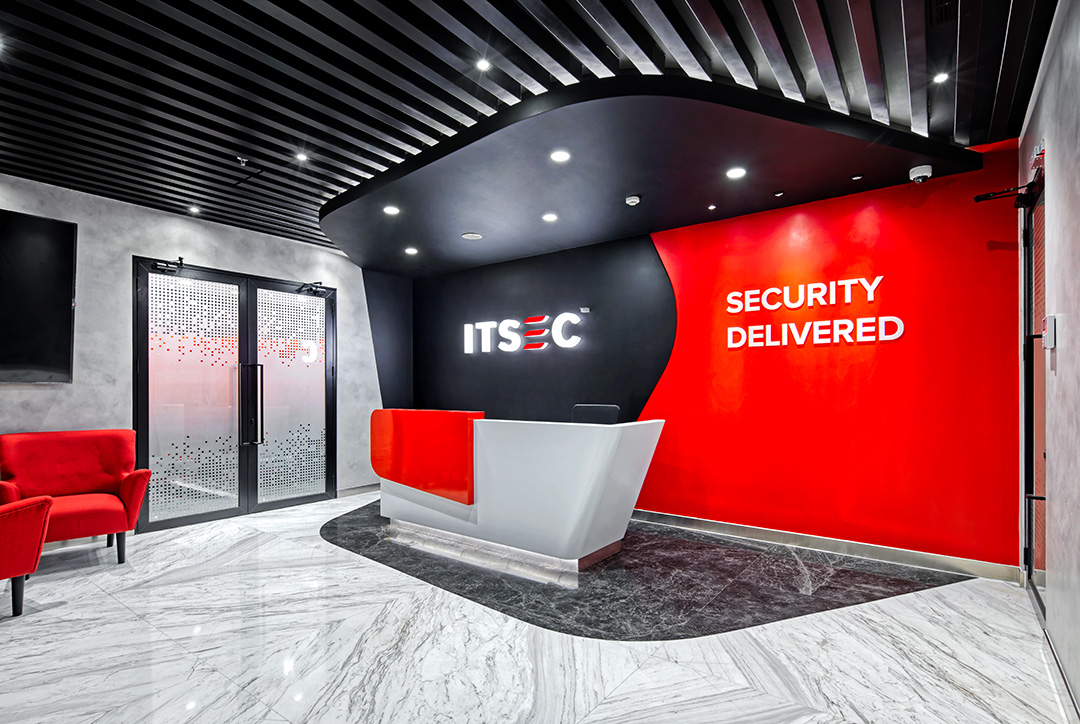
In December 2025, PT ITSEC Asia Tbk (CYBR), through its wholly owned subsidiary ITSEC Cyber & AI Academy, signed a landmark cybersecurity AI training contract worth USD 60 million (approximately Rp 1 trillion) with PT Republik Technetronic Nusantara (RTN), a service provider to the Indonesian Ministry of Defense (Kemenhan). This multi-year agreement, scheduled to run for four years, will deliver advanced training in cybersecurity and artificial intelligence (AI) to bolster Indonesia’s national defense workforce and elevate the nation’s readiness against evolving cyber threats.
The signing of this contract is significant not only for ITSEC’s corporate trajectory but also for Indonesia’s broader national security strategy. It reflects a growing recognition that digital threats pose strategic risks to military operations, critical infrastructure, and government systems across the globe. The following sections explore the rationale behind this investment, the anticipated impact on military and civilian cybersecurity readiness, and the broader implications for Indonesia’s defense ecosystem.
Addressing the Cybersecurity Skills Gap in National Defense
The complexity and volume of cyber threats have increased dramatically in recent years, driven in part by advances in AI and automation. Cyberattacks today are more sophisticated and capable of undermining critical systems, including defense networks, communication infrastructure, and sensitive data repositories. In response, the Republic of Indonesia has emphasized cyber resilience as a core component of its national defense doctrine. Government agencies have publicly stated that strengthening internal cyber capabilities, including developing skilled human resources, is essential for national security in the digital era.
The ITSEC-RTN contract is strategically designed to bridge the gap between current capabilities and future requirements. Through its Cyber & AI Academy, ITSEC will deliver a customized curriculum aligned with international standards that combines theoretical foundations with practical skills in threat detection, incident response, ethical hacking, and AI-enhanced cybersecurity technologies.
This approach aims to produce professionals who can operate effectively within complex defense environments and contribute to a resilient national cyber posture.
Strategic Partnership Between Government and Private Sector
The contract showcases a strategic partnership model between government entities and private technology providers, an increasingly common framework in national security domains. By leveraging the expertise and agility of private companies like ITSEC, the Indonesian Ministry of Defense gains access to cutting-edge training frameworks and technology insights that may not be readily available through traditional government institutions.
RTN serves as the intermediary and implementation partner for the Ministry of Defense, allowing for a streamlined operational structure in deploying the training programs nationwide. Under this model, the Ministry remains the end user of the developed capabilities, while ITSEC and RTN execute the program delivery in accordance with agreed objectives. This collaboration reflects a fundamental shift in how public agencies approach capability building, moving away from solely internal training programs toward hybrid models that harness private sector innovation and specialization.
Key Objectives of the Cybersecurity AI Training Program
The core goals of the training initiative cover several dimensions. First, developing practical cybersecurity skills is a primary focus. Participants will gain hands-on experience in cybersecurity operations, from threat identification and mitigation to digital forensics and risk management. This practical orientation ensures that trainees are prepared to confront real-world cyber incidents effectively.
Second, the program enhances AI competency. As AI technologies are increasingly integrated into defense systems, understanding how to secure and leverage AI is critical. The training includes modules on machine learning security, AI-powered threat analytics, and secure AI system design.
Third, the initiative is designed to build long-term institutional capacity. Beyond training individuals, the program aims to create a sustainable pipeline of cyber and AI professionals who can continually support defense operations, research, and policy development. Finally, the curriculum aligns with global standards. This ensures that Indonesian personnel are trained in methodologies and practices recognized worldwide, enhancing interoperability and future international cooperation potential.
Broader Implications for Indonesia’s Cybersecurity Ecosystem
The cyber domain has emerged as a new frontier of national defense. Countries worldwide are investing heavily in cybersecurity infrastructure, workforce development, and AI-assisted defense systems to protect their digital sovereignty. Indonesia is no exception. National defense discussions increasingly emphasize cybersecurity as a central pillar of state resilience in the digital era. These discussions highlight cooperation between government institutions, the military, academia, and private sector actors to create an integrated and adaptive defense ecosystem.
The cybersecurity AI training contract aligns with these national objectives by enhancing Indonesia’s ability to respond proactively to cyber threats targeting defense infrastructure, expand its pool of highly skilled professionals capable of managing both current and future cyber challenges, and strengthen collaboration across public and private sectors in areas of strategic importance. By positioning itself as a leader in cybersecurity education, ITSEC also signals Indonesia’s potential to emerge as a regional hub for cyber defense talent development.
Economic and Market Impact for ITSEC and the Defense Technology Sector
From a corporate perspective, the contract represents a material milestone for ITSEC. The value of the agreement significantly exceeds the company’s total equity base, underscoring its strategic importance. The project is expected to contribute meaningfully to ITSEC’s revenue streams through its training business line while enhancing the company’s credibility in high-stakes cybersecurity solutions. More broadly, this partnership may catalyze further growth within Indonesia’s defense technology sector. As public institutions recognize the strategic importance of cyber readiness, demand is likely to rise for specialized training, AI-enabled security platforms, and advanced digital defense services.
Challenges and Future Outlook
Delivering a large-scale, high-impact cybersecurity training program is not without challenges. Ensuring curriculum relevance amid rapidly evolving threat landscapes will require continuous updates and adaptive learning frameworks. Recruiting and retaining instructors with both operational expertise and teaching capabilities will also be critical to long-term success.
Despite these challenges, the collaboration between the Ministry of Defense, RTN, and ITSEC positions Indonesia on a strong trajectory toward enhanced cyber resilience. The program lays the foundation for a more secure and digitally capable defense workforce. Looking ahead, sustained investment in human capital development will be essential. With consistent execution and evaluation, initiatives such as this cybersecurity AI training contract could support not only national defense priorities but also broader regional cooperation in Southeast Asia, where cyber threats increasingly transcend national borders.
Read More