





 Friday, 09-10-26








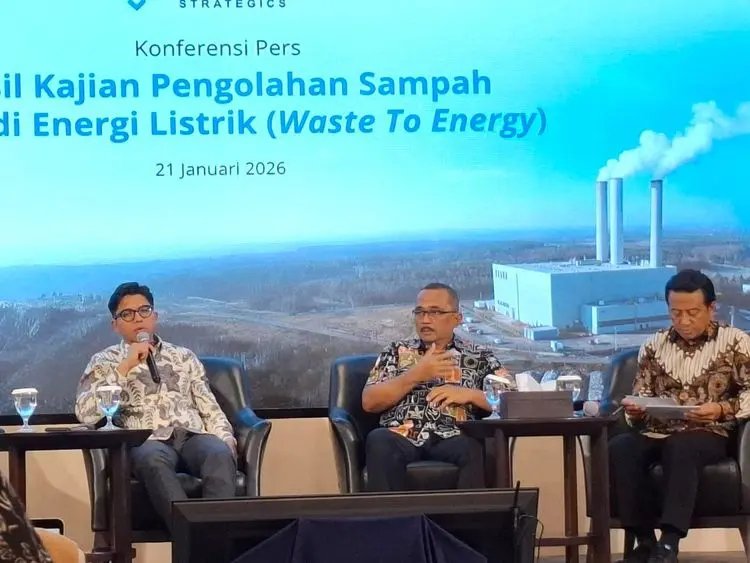
Indonesia is advancing its renewable energy and waste management infrastructure through a major tender process organized by Bisnis.com. The tender for waste-to-energy (WtE) projects under Danantara Indonesia’s program has attracted global participation, with a significant presence of Chinese waste to energy companies among the shortlisted bidders.
This development is significant for both Indonesia’s circular economy ambitions and the global renewable energy landscape. As cities and regions grapple with mounting municipal solid waste, converting waste into electricity presents an opportunity to reduce landfill reliance while generating clean power. The involvement of Chinese waste to energy companies signals international interest and technological capability focused on sustainable infrastructure. In this article, we’ll explore the profiles of the five Chinese companies competing in the Danantara tender, examine their global experience, and discuss the broader implications of their participation.
What the Danantara Tender Means for Waste Management in Indonesia
The Danantara waste-to-energy tender is part of Indonesia’s larger strategy to modernize its waste management systems and support clean energy transition. Municipalities like Bali, Bogor, Bekasi, and Yogyakarta are among the first locations targeted for waste-to-energy projects, reflecting urgency in addressing waste accumulation and energy demand. Chinese waste to energy companies feature prominently among the 24 international firms shortlisted to participate in the tender. Although final winners have yet to be announced, these five Chinese firms bring varying degrees of operational experience, technological expertise, and track records in managing waste to energy infrastructure globally.
The participation of Chinese waste to energy companies also underscores Indonesia’s openness to foreign technology partnerships and potential technology transfer collaborations with local firms. The tender requires consortium arrangements with local partners, which can strengthen domestic capabilities and support long-term maintenance and operational knowledge sharing.
Profiles of Leading Chinese Waste to Energy Companies in the Tender
Chongqing Sanfeng Environment Group Corp., Ltd.
Chongqing Sanfeng Environment Group Corp., Ltd. stands out as one of the most experienced Chinese waste to energy companies in the Danantara tender. Established in 2009 and publicly listed on the Shanghai Stock Exchange (stock code 601827.SH), Sanfeng is dedicated to WtE operations, differing from traditional EPC (Engineering, Procurement, and Construction) firms by focusing exclusively on waste to energy as its core business.
Sanfeng’s technology expertise includes grate incinerator systems licensed from German partner Martin GmbH, which have been adapted and localized to meet diverse market conditions. By late 2023, Sanfeng technology had been applied to more than 250 WtE projects with over 400 incineration lines worldwide, managing more than 220,000 tons of waste per day. As both a technology provider and investor/operator, Sanfeng has implemented public-private partnership (PPP) and build-operate-transfer (BOT) models, demonstrating flexibility in financing and operational arrangements. Its inclusion in the tender indicates Danantara’s interest in mature WtE technologies with proven performance.
Wangneng Environment Co., Ltd.
Wangneng Environment Co., Ltd. is another major Chinese waste to energy company participating in the Danantara tender. Based in Huzhou, Zhejiang Province, Wangneng started operations in 2012 and has diversified operations spanning kitchen waste utilization, wastewater treatment, sludge processing, and rubber recycling alongside its primary WtE business.
With a large corporate network that includes 98 affiliated companies and international subsidiaries in Thailand, Cambodia, Australia, and Singapore, Wangneng claims the capacity to produce around 3.04 billion kWh of clean electricity per year through waste conversion. For Indonesia’s project, Wangneng plans to form local consortiums, aligning with Danantara’s requirement for technology transfer and collaborative execution. This multinational footprint and operational scale make Wangneng a competitive contender in the tender.
Zhejiang Weiming Environment Protection Co., Ltd.
Zhejiang Weiming Environment Protection Co., Ltd. is a well-established player in the WtE sector with a track record that includes equipment supply and project collaborations in Indonesia. Weiming’s business spans the design, investment, construction, and operation of WtE facilities, including manufacturing and installation of incinerator equipment.
In 2023, Weiming Environment generated approximately 3.85 billion kWh of electricity from its WtE operations in China. The company has also explored investment partnerships with Indonesian regional governments, such as a proposal to invest around USD 225 million in Bali’s waste management landscape. Weiming’s broad capabilities and previous engagements in the country distinguish it as a significant participant capable of blending global experience with local execution readiness.
SUS Indonesia Holding Limited
SUS Indonesia Holding Limited may carry an Indonesian name, but it is registered in China as a subsidiary of Shanghai SUS Environment Co., Ltd. Founded in 2008 and with operational presence since 2022, SUS focuses on long-term investments in WtE technologies and facilities. One notable project is SUS’s WtE plant in Makassar, South Sulawesi, which processes about 1,300 tons of waste daily and generates around 35 MW of electricity using incinerator and turbine technology.
SUS’s direct investments and operational experience in Indonesia position the company as both a technology implementer and a strategic investor. Its participation highlights the growing role of Chinese environmental firms in Southeast Asia’s renewable infrastructure expansion.
PT Jinjiang Environment Indonesia
PT Jinjiang Environment Indonesia is part of the broader Zheneng Jinjiang Environment Holding Co., Ltd. group, which has been a major waste to energy industry player in China since 1998. The Indonesian subsidiary has already active operations, notably managing a waste to energy facility in Palembang, South Sumatra.
The Palembang plant processes around 1,000 tons of municipal waste daily and produces approximately 20 MW of electricity. The project operates under a 30-year Build Own Operate (BOO) concession, with an initial investment of about USD 120 million.
PT Jinjiang’s combination of operational history, investment capacity, and local presence strengthens its competitive position in the Danantara tender.
Broader Implications of Chinese Participation
The involvement of Chinese waste to energy companies in Indonesia’s WtE tender has several broader implications:
Technology Transfer and Skill Development. The tender’s requirement for consortium formation with local partners encourages technology transfer and capacity building within Indonesia’s environmental sector. Partnerships can elevate domestic competencies in waste to energy technologies.
Green Infrastructure Financing. Chinese firms bring not just technology but financial models shaped by extensive global experience. BOT and PPP arrangements can help distribute project risks and tap private capital alongside public funds.
Environmental Impact and Urban Sustainability. If successfully implemented, WtE projects can significantly reduce landfill reliance, mitigate methane emissions, and generate clean electricity. These benefits align with Indonesia’s broader climate goals and sustainable urban planning priorities.
Global Renewable Ecosystem Engagement. Participation by Chinese waste to energy companies also signals Indonesia’s commitment to engaging global players in building its renewable infrastructure. It reflects confidence in international collaboration and diversified investment flows in the clean energy sector.
The presence of Chinese waste to energy companies in the Danantara tender represents a strategic moment for Indonesia’s clean energy and waste management transitions. With companies like Chongqing Sanfeng Environment Group, Wangneng Environment, Zhejiang Weiming, SUS Indonesia Holding, and PT Jinjiang Environment Indonesia competing for key roles, the tender reflects a blend of international expertise and local execution potential.
These Chinese waste to energy companies bring extensive technological know-how, operational track records, and financial frameworks essential for advancing WtE infrastructure. Their involvement also enhances opportunities for technology transfer and economic collaboration. As the tender process unfolds, Indonesia stands to benefit from these global partnerships in achieving more sustainable waste management and energy generation outcomes.
Read More