





 Friday, 16-10-26








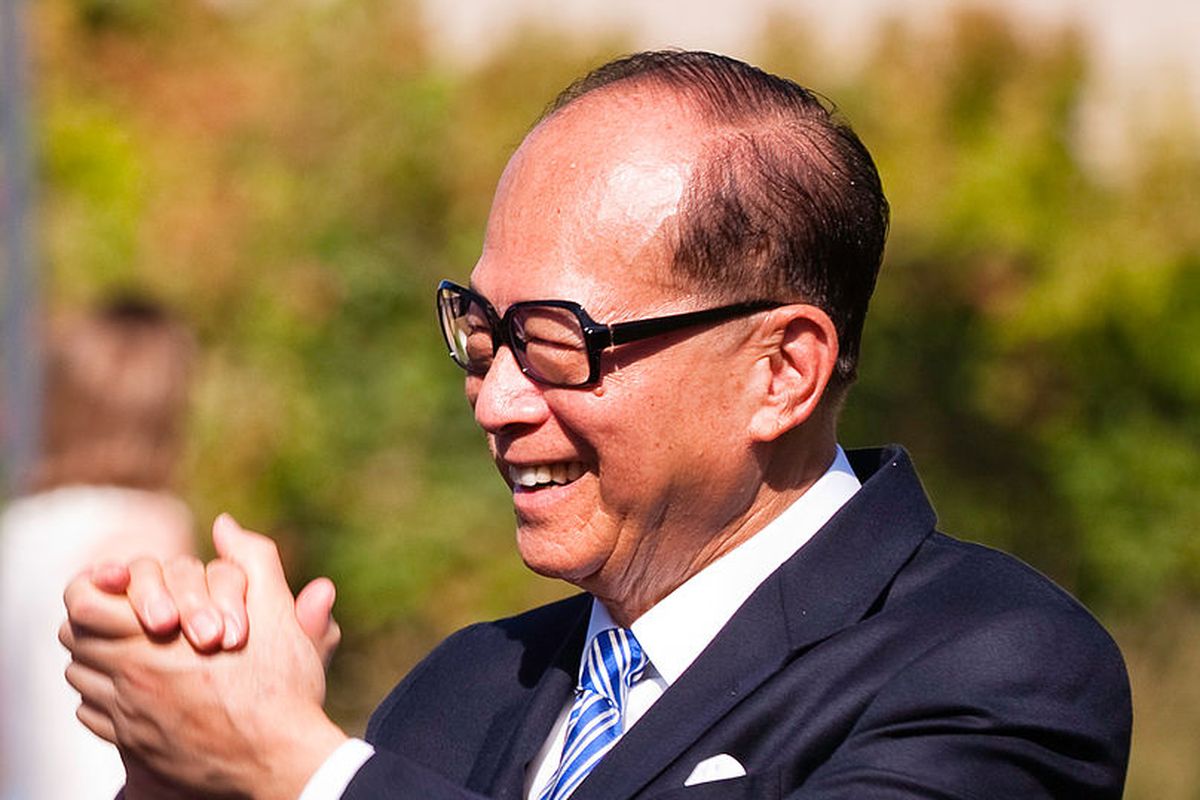
The collective fortune of Hong Kong billionaires has reached an unprecedented milestone in 2026. According to reporting from Bisnis.com, the combined wealth of the 50 richest individuals in Hong Kong climbed to a record US 366 billion. The surge marks a significant rebound for the city’s elite after years of market volatility, pandemic disruptions, and geopolitical uncertainty.
The rise of Hong Kong billionaires is not merely a headline about personal fortunes. It reflects broader capital market dynamics, sectoral shifts, and renewed investor confidence in key industries such as property, finance, logistics, and technology. As regional markets stabilize and global liquidity conditions improve, asset valuations have strengthened, directly benefiting those with concentrated equity holdings.
The milestone also underscores Hong Kong’s enduring position as one of Asia’s most important financial hubs. Despite competitive pressures from mainland Chinese cities and other Asian financial centers, Hong Kong billionaires continue to accumulate wealth at a scale that commands global attention.
Market Rebound Drives Hong Kong Billionaires Wealth Surge
The record breaking total wealth of Hong Kong billionaires is closely tied to stock market recovery and asset price appreciation. After experiencing cyclical downturns in previous years, equity markets have shown renewed momentum. Companies listed on the Hong Kong Stock Exchange have seen valuation increases, particularly in sectors linked to property development, infrastructure, retail, and financial services.
Many Hong Kong billionaires hold substantial stakes in publicly traded conglomerates. As share prices recover, their net worth expands accordingly. This wealth effect is amplified when market optimism strengthens across multiple sectors simultaneously.
Property remains a central pillar of wealth for several Hong Kong billionaires. Real estate developers continue to play a dominant role in shaping the city’s economic landscape. While property markets have faced regulatory adjustments and demand fluctuations, prime assets in strategic locations retain significant value. Stabilization in transaction volumes and investor sentiment has supported capital appreciation.
Financial services also contribute meaningfully to the rise of Hong Kong billionaires. Hong Kong’s role as a gateway between mainland China and global capital markets sustains high levels of financial activity. Cross border listings, wealth management services, and capital raising activities reinforce asset valuations.
The cumulative result is a substantial increase in aggregate net worth. When the wealth of Hong Kong billionaires reaches US 366 billion, it signals not only personal financial success but also structural capital concentration within the territory.
Sectoral Shifts Among Hong Kong Billionaires
While traditional industries remain important, the composition of wealth among Hong Kong billionaires is gradually evolving. Technology driven enterprises and digital platform businesses are gaining greater representation in the upper echelons of wealth rankings.
In previous decades, property developers dominated the list of Hong Kong billionaires. Today, diversified portfolios include stakes in e commerce, logistics technology, renewable energy, and biotech ventures. This shift reflects broader economic transformation across Greater China and the Asia Pacific region.
Entrepreneurial expansion into mainland Chinese markets has also played a role. Several Hong Kong billionaires maintain cross border investments that benefit from mainland consumer growth and industrial upgrading. As China’s domestic consumption stabilizes and industrial innovation accelerates, cross jurisdictional investments generate significant returns.
Moreover, family offices and private investment vehicles have become increasingly sophisticated. Hong Kong billionaires are diversifying internationally, allocating capital to global equities, private equity funds, and alternative assets. This strategic diversification enhances resilience against localized economic downturns.
The record wealth figure therefore represents not only cyclical market recovery but also adaptive capital strategy. Hong Kong billionaires are leveraging financial expertise and global networks to sustain and expand their asset base.
Wealth Concentration And Economic Implications
The growing fortunes of Hong Kong billionaires inevitably raise questions about wealth distribution and economic structure. While aggregate wealth reaches historic highs, income inequality remains a persistent social concern in Hong Kong.
High asset concentration among Hong Kong billionaires reflects the outsized impact of capital markets on wealth accumulation. When stock prices and property valuations rise, those with significant ownership stakes experience disproportionate gains. Meanwhile, wage growth for middle income households may not match asset appreciation rates.
This dynamic is not unique to Hong Kong. Globally, wealth accumulation trends have favored asset owners during periods of financial expansion. However, Hong Kong’s limited land supply and high property prices intensify the visibility of wealth disparities.
At the same time, proponents argue that Hong Kong billionaires contribute to economic dynamism through investment, philanthropy, and employment creation. Many leading business figures reinvest profits into new ventures, infrastructure projects, and social initiatives. Their corporate groups employ thousands of workers across multiple sectors.
The relationship between capital concentration and economic vitality remains complex. Policymakers must balance competitive market conditions with inclusive growth objectives. The record wealth of Hong Kong billionaires highlights the scale of capital available within the territory, but it also underscores broader structural debates.
Global Context Of Hong Kong Billionaires Wealth Growth
The rise in wealth among Hong Kong billionaires should also be viewed within a global context. Financial markets worldwide have experienced renewed optimism amid improving macroeconomic indicators. Easing inflationary pressures and stabilized interest rate expectations have supported equity performance.
Asia Pacific markets, in particular, have demonstrated resilience. Hong Kong’s financial ecosystem benefits from its strategic position connecting international investors with mainland Chinese enterprises. This intermediary role enhances liquidity and transaction volumes.
Moreover, currency stability and regulatory clarity contribute to investor confidence. For Hong Kong billionaires with diversified portfolios, global market recovery multiplies the impact of domestic asset gains.
The US 366 billion aggregate wealth milestone positions Hong Kong among the leading billionaire hubs globally. While cities such as New York and Shanghai also host significant concentrations of wealth, Hong Kong’s per capita billionaire density remains notable.
This global comparison reinforces Hong Kong’s identity as a high capital intensity economy. Financial intermediation, property ownership, and conglomerate structures continue to shape its economic architecture.
Strategic Outlook For Hong Kong Billionaires
Looking ahead, the sustainability of wealth growth among Hong Kong billionaires will depend on several variables. Market stability, regulatory consistency, and cross border economic integration will remain critical factors.
Technology adoption represents both opportunity and challenge. Artificial intelligence, digital finance, and green energy transitions could reshape investment priorities. Hong Kong billionaires who allocate capital strategically into emerging sectors may further expand their wealth base.
Conversely, global geopolitical tensions or abrupt financial tightening could reverse asset gains. The sensitivity of billionaire net worth to market fluctuations underscores the interconnectedness of capital markets.
Nevertheless, the record US 366 billion figure demonstrates resilience. After periods of uncertainty, Hong Kong billionaires have regained financial momentum. Their collective wealth serves as a barometer of investor sentiment and capital market performance within the region.
The record breaking wealth of Hong Kong billionaires in 2026 signals more than individual financial achievement. It reflects market recovery, sectoral diversification, and strategic capital allocation across property, finance, and emerging industries.
With combined fortunes reaching US 366 billion, Hong Kong billionaires reaffirm the city’s position as a global financial powerhouse. Yet the milestone also invites reflection on wealth concentration and economic balance.
As markets evolve and new industries emerge, the trajectory of Hong Kong billionaires will continue to mirror broader economic currents. For investors, policymakers, and business leaders, the record wealth figure offers both insight and perspective on the shifting landscape of global capital.
Read More