





 Monday, 12-10-26








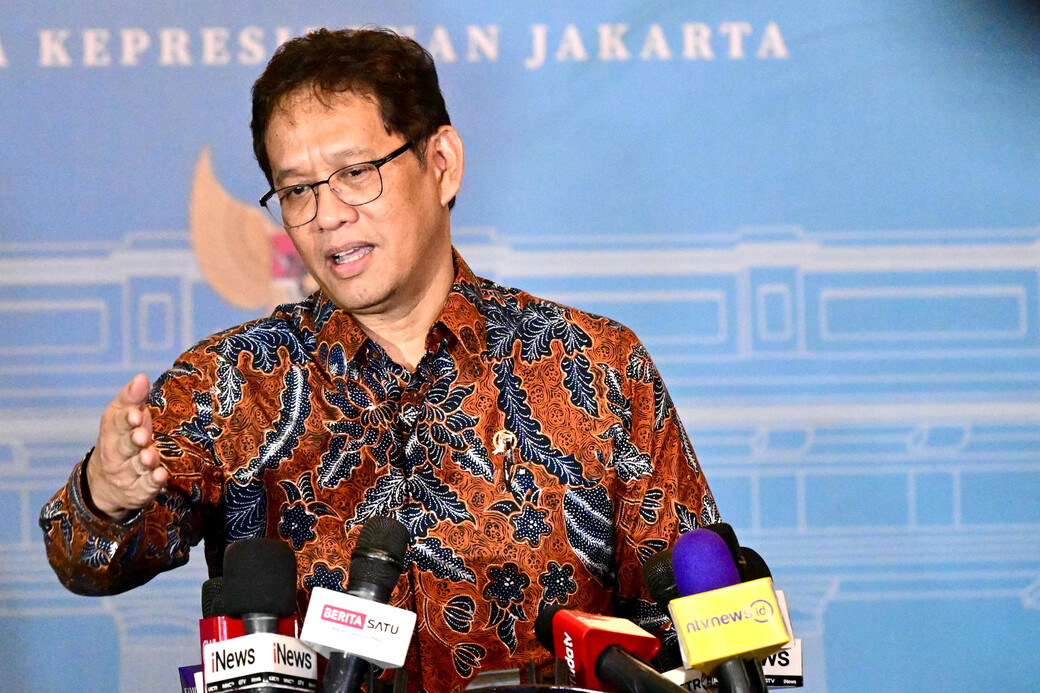
Indonesia economic growth is projected to reach 6 percent in the first quarter of 2026, supported by strong fiscal stimulus and accelerated government spending. According to reporting from Bisnis.com, Purbaya Yudhi Sadewa expressed optimism that early year state budget disbursement totaling Rp809 trillion will act as a primary driver of expansion.
The projection marks an ambitious start to the year. If realized, Indonesia economic growth at 6 percent would signal a significant acceleration compared to recent quarterly averages. The foundation of this optimism lies in the aggressive realization of APBN spending, which is expected to stimulate consumption, infrastructure activity, and business confidence simultaneously.
The early quarter performance is particularly important because it sets the tone for the rest of the fiscal year. Strong momentum in Q1 could anchor investor sentiment and reinforce macroeconomic stability in Southeast Asia’s largest economy.
Government Spending As The Engine Of Indonesia Economic Growth
Fiscal policy is emerging as the central catalyst behind Indonesia economic growth in early 2026. The Rp809 trillion state budget disbursement represents a substantial injection of liquidity into the economy. When government spending accelerates in the first quarter, multiplier effects typically ripple across sectors.
Public infrastructure projects generate immediate demand for construction materials, labor, logistics services, and equipment. Social assistance programs increase household purchasing power. Transfers to regional governments enable localized development initiatives. Each of these channels contributes to aggregate demand expansion. Indonesia economic growth in the first quarter often depends on how effectively ministries and agencies execute budget allocations. Historically, slower absorption rates at the beginning of the year have dampened early growth momentum. The current projection suggests a departure from that pattern, with more front loaded spending.
Fiscal expansion also supports private sector confidence. Businesses respond positively when public investment signals sustained economic activity. Corporate investment decisions, including capital expenditure and hiring, are influenced by expectations of stable demand. In this context, Indonesia economic growth becomes closely linked to fiscal execution quality. Efficient disbursement not only increases GDP in the short term but also enhances long term productivity through infrastructure upgrades.
Macroeconomic Context Behind The 6 Percent Projection
The 6 percent Indonesia economic growth projection must be understood within a broader macroeconomic framework. Global conditions remain mixed, with advanced economies experiencing moderate recovery while geopolitical uncertainties persist.
Domestically, Indonesia has maintained relatively stable inflation compared to several peer economies. Controlled price levels preserve consumer purchasing power, allowing fiscal stimulus to translate more effectively into real consumption growth. Monetary policy coordination also plays a role. When fiscal expansion aligns with accommodative but prudent monetary conditions, the overall macroeconomic environment becomes supportive. Indonesia economic growth benefits from this synchronization between fiscal authorities and the central bank.
Export performance could provide additional tailwinds. Although global trade demand remains uneven, Indonesia’s commodity base including palm oil, coal, and nickel continues to contribute to external balances. If export revenues remain resilient, they will complement domestic demand driven by APBN spending. However, sustaining Indonesia economic growth at 6 percent will require consistent momentum beyond government expenditure alone. Private investment, consumer confidence, and structural reform progress must align to maintain expansion through subsequent quarters.
The Role Of APBN Spending In Driving Domestic Demand
The state budget, or APBN, serves as a key policy instrument for stabilizing and accelerating Indonesia economic growth. The Rp809 trillion disbursement reflects a proactive fiscal stance aimed at reinforcing domestic demand. Household consumption accounts for more than half of Indonesia’s GDP. Government programs that channel funds into social protection and public sector wages directly influence consumer spending. When disposable income increases, retail, transportation, and service sectors benefit.
Infrastructure spending creates both immediate and long term gains. In the short term, project execution generates employment and procurement activity. Over time, improved connectivity reduces logistics costs and enhances competitiveness. Indonesia economic growth driven by APBN realization therefore extends beyond temporary stimulus. Well targeted spending strengthens economic fundamentals.
Moreover, early fiscal realization can mitigate potential headwinds from global volatility. If external demand weakens unexpectedly, strong domestic demand anchored by government expenditure can cushion the impact. This countercyclical capacity underscores why fiscal discipline and efficient allocation are critical. High spending without productivity impact risks fiscal strain. Strategic spending, by contrast, enhances resilience.
Investor Confidence And Market Implications
A 6 percent Indonesia economic growth projection carries significant implications for financial markets. Equity investors typically respond positively to strong GDP forecasts, particularly when supported by concrete fiscal data. Higher growth expectations can stimulate foreign direct investment inflows. Investors evaluating emerging markets often compare growth trajectories. A robust Indonesia economic growth outlook enhances the country’s attractiveness relative to regional peers.
Currency stability may also benefit. Strong economic performance supports external confidence, which in turn stabilizes capital flows.
However, market participants will monitor implementation closely. Forecasts must translate into measurable economic indicators such as retail sales, industrial output, and employment growth. Consistency between projection and realization will determine credibility.
The emphasis on APBN driven Indonesia economic growth signals a strategic reliance on fiscal levers. Investors will therefore scrutinize budget sustainability, revenue collection performance, and deficit management.
Structural Factors Supporting Indonesia Economic Growth
Beyond short term fiscal stimulus, several structural elements reinforce the Indonesia economic growth outlook. Demographic advantages remain a key strength. A large and relatively young population sustains domestic consumption and labor supply. Urbanization trends support demand for housing, infrastructure, and services. Digital transformation continues to expand economic participation. E commerce platforms, fintech services, and digital payments facilitate broader market access for small and medium enterprises. These developments enhance productivity and inclusion.
Industrial downstreaming initiatives also contribute to medium term Indonesia economic growth. Value added processing of natural resources, particularly in nickel and battery related industries, aims to strengthen export resilience and manufacturing capacity. When combined with proactive fiscal policy, these structural factors create a supportive environment for expansion. However, sustained progress depends on governance quality, regulatory consistency, and investment climate stability.
Risks And Sustainability Considerations
While optimism surrounding Indonesia economic growth is evident, risks remain. External volatility, including commodity price fluctuations and global financial tightening, could moderate momentum. Domestic challenges such as bureaucratic inefficiencies or delays in project execution could reduce fiscal multiplier effects. Fiscal sustainability must also be managed carefully. High expenditure levels require corresponding revenue strategies to maintain budget discipline.
Moreover, Indonesia economic growth driven primarily by public spending may require complementary private sector dynamism to sustain expansion beyond the initial stimulus phase. Balanced growth involves a combination of fiscal support, private investment, export resilience, and productivity enhancement.
The projection of 6 percent Indonesia economic growth in the first quarter of 2026 reflects strong confidence in fiscal policy effectiveness. With Rp809 trillion in APBN spending realized early in the year, domestic demand is expected to strengthen significantly.
Government expenditure acts as the primary catalyst, generating multiplier effects across infrastructure, household consumption, and private sector confidence. If execution remains efficient and external conditions remain stable, Indonesia economic growth could establish solid momentum for the remainder of the year.
However, sustainability will depend on structural reforms, balanced fiscal management, and continued investment. The first quarter will serve as a critical indicator of whether ambitious projections can translate into durable economic performance.
Read More