





 Wednesday, 23-09-26







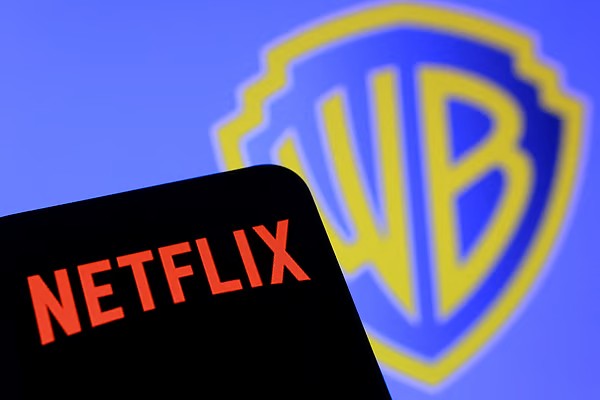
Netflix’s agreement to acquire Warner Brothers Discovery and its HBO streaming services marks one of the biggest moves in the entertainment industry in years (09/12).
The deal places Netflix at the center of global attention as regulators, rivals, and political figures begin to scrutinize its potential impact.
Netflix, already the world’s largest streaming subscription service and the leading producer of new content in California, is preparing to absorb a vast catalogue that spans nearly a century of film and television history.
Netflix Expands Its Content and Subscriber Strength
The acquisition strengthens Netflix’s dominance by adding HBO’s 128 million subscribers to its more than 300 million existing users.
Analysts say this combination makes Netflix an even more formidable force.
“Netflix is already the biggest streaming service, and now you add HBO Max to that, and it becomes arguably untouchable,” said Mike Proulx, vice president at Forrester.
The merged library brings together major franchises such as Looney Tunes, Harry Potter, Friends, Succession, Sex and the City, and Game of Thrones alongside Netflix originals like Stranger Things and KPop Demon Hunters. TNT Sports outside the US is also included.
In Indonesia, Netflix bought Warner Bros. Discovery for US$27.75 per share, valuing the company at around US$82.7 billion.
Its catalogue now expands further with titles like The Big Bang Theory, The Sopranos, The Wizard of Oz, and the DC Universe joining existing hits such as Wednesday, Money Heist, Bridgerton, Adolescence, and Extraction.
Managing Partner at Inventure, Yuswohady, says such growth could influence the wider market, pushing OTT brands to adjust pricing to compete.
Uncertainty Over Pricing and Market Segments
Netflix expects the deal to close in the next 18 months, but has not clarified how HBO and Warner Brothers content will be integrated.
Co-CEO Greg Peters described the HBO label as “very powerful” and said it gives the company “a lot of options.”
Analysts note that Netflix could create different content bundles, though they do not expect the HBO name to disappear.
Prices could rise due to Netflix’s increased strength, or potentially fall if viewers end up paying for just one service instead of two.
In Indonesia, Yuswohady says Netflix must reach lower-income segments by adjusting prices. He notes that pricing packages may need to be segmented so that certain content targets specific groups of users.
Streaming Growth Highlights Hollywood’s Decline
Warner Bros., known for classics like Casablanca and The Exorcist, represents Hollywood’s golden age.
Its sale reflects the shift toward streaming, which many in the industry view as the future.
Forrester’s Proulx says the trend is clear and that “legacy media is ending.”
Netflix has promised to continue cinema releases, especially with DC films that perform well in theaters, but doubts remain after CEO Ted Sarandos previously said movie-going was an “outdated concept.”
This transition adds pressure to an industry dealing with job cuts, lower production volumes, and concerns about artificial intelligence.
Director James Cameron warned just before the deal was announced that he believed it would be a “disaster” for the industry.
In Indonesia, Yuswohady expects home viewing to grow stronger in 2026.
He explains that digital services offer flexibility, while cinemas will remain for certain films but may become a niche market as OTT platforms draw the mass audience.
Regulatory Hurdles and Political Influence Increase
The deal is not finalized. Warner Brothers Discovery must first complete the spin-off of assets not included in the sale, such as CNN, Discovery, and Eurosport.
At the same time, Paramount Skydance has launched a hostile bid to acquire the entire Warner Brothers Discovery business, aiming to present shareholders with an alternative.
Regulators in the US and Europe pose the biggest obstacle. Lawmakers in Washington from both parties have already voiced concerns about reduced choices and higher prices for consumers.
If the deal collapses, Netflix must pay Warner Brothers US$5.8 billion. Sarandos said the company is “highly confident” regulators will approve it.
Experts say the outcome depends on how competition is defined. A narrow focus on video streaming could raise major concerns, while a broader definition that includes cable, broadcast TV, and YouTube may reduce regulatory objections.
Vanderbilt University professor Rebecca Haw Allensworth warns that the Trump administration might pressure Netflix on issues such as diversity and political bias, as seen in previous cases.
Donald Trump remains a key factor. He noted over the weekend that the combined size of the companies “could be a problem,” while also complimenting Netflix leadership.
He has also praised the owners of rival bidder Paramount Skydance in the past, but criticized the company after a recent interview aired involving Marjorie Taylor Greene.
Former Federal Trade Commission chair Bill Kovacic said Trump’s comments indicate that White House approval will likely be required, suggesting “an unprecedented level” of presidential control over the decision.
Impact on the Indonesian Streaming Market
Yuswohady, Managing Partner at Inventure, explained that the Netflix-Warner Brothers merger could significantly accelerate the shift to digital streaming in Indonesia.
With Netflix’s expanded content library, including Warner Bros. franchises, HBO series, and popular originals, the platform will have even more leverage to attract subscribers. This may push other OTT services in Indonesia to lower their prices, improve their offerings, or provide more localized content to stay competitive.
He also emphasized that digital streaming platforms create a “lock-in” effect, where viewers remain engaged due to constantly updated content. Algorithms using AI tailor recommendations to each user, creating a highly personalized viewing experience that keeps audiences returning to the platform.
According to Yuswohady, this trend is likely to make streaming the dominant mode of entertainment consumption in Indonesia by 2026. Home viewing offers convenience: users can watch anytime, pause, or continue later.
Meanwhile, cinemas will continue to attract audiences for certain films that benefit from high-quality sound and immersive experiences, but the overall cinema-going segment may become niche compared to the mass appeal of digital platforms.
He further noted that Netflix’s challenge in Indonesia will be reaching lower-income audiences. The platform may need to adopt tiered pricing strategies, offering specific content packages to different market segments to ensure wider accessibility while maintaining profitability.
PHOTO: REUTERS
This article was created with AI assistance.
This article is based on two original reports from BBC and SWA, titled “Five takeaways from the blockbuster Netflix-Warner Brothers deal” and “Netflix Telan Warner Bros Discovery: Apa Dampaknya bagi Pasar OTT Indonesia?”, published on 9 December 2025. The original reports can be accessed at BBC and SWA.
Read More