





 Friday, 16-10-26








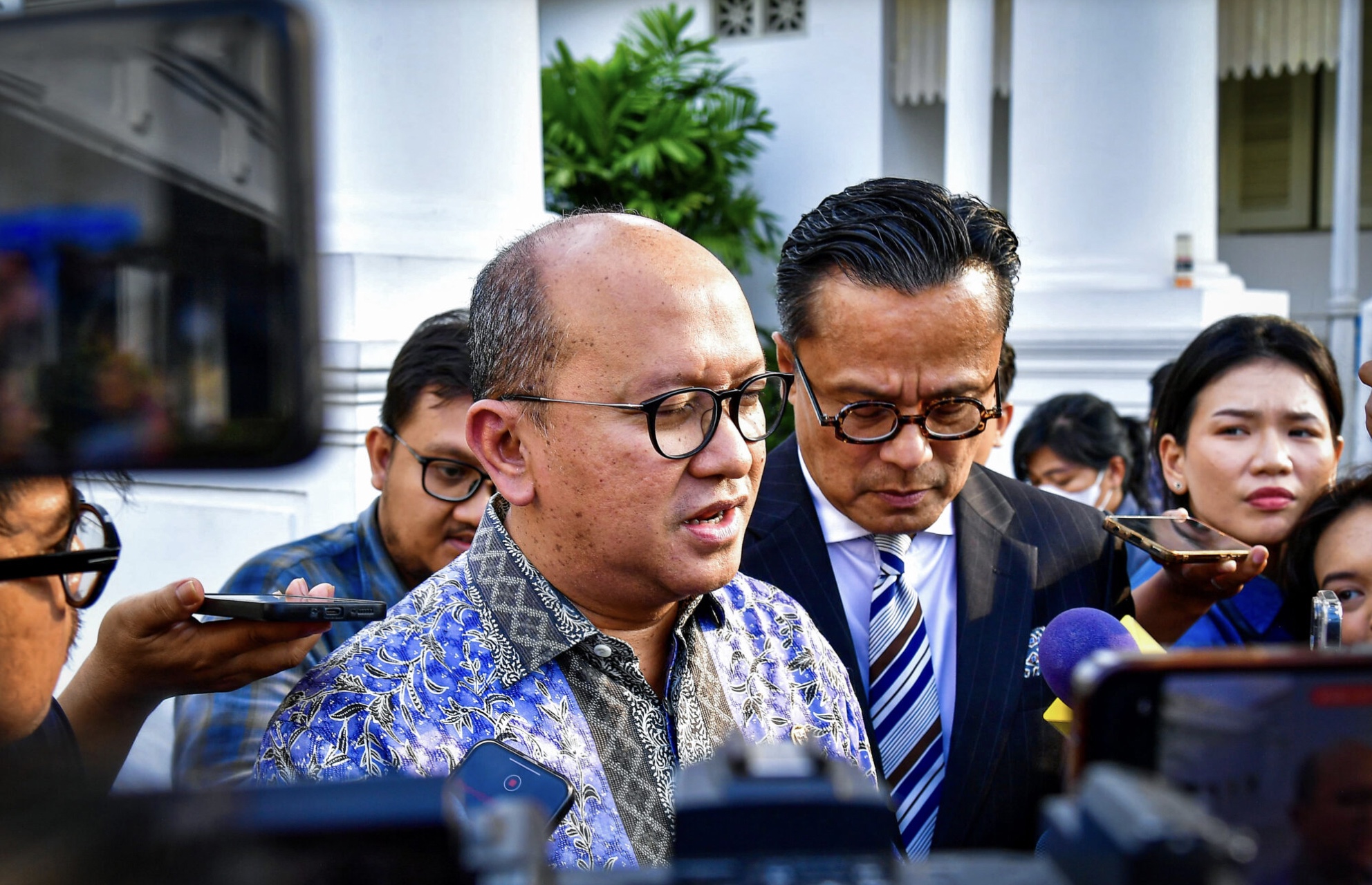
Badan Pengelola Investasi Daya Anagata Nusantara (Danantara Indonesia) presented its 2026 Work Plan and Budget (RKAP) to the Commission XI of the Indonesian House of Representatives, outlining a roadmap for strategic investments aimed at generating sustainable returns and boosting the national economy (01/12).
CEO Rosan Perkasa Roeslani said the investment roadmap is designed with a measured approach, focused on creating value across generations. “Our mandate is clear: deliver healthy returns for the country, while ensuring each investment strengthens Indonesia’s economic resilience and drives national transformation,” Rosan stated.
Strategic Projects Focus on National Resilience and Economic Impact
Danantara’s 2026 strategy emphasizes developing strategic projects, strengthening priority sectors, and diversifying portfolios across asset classes and geographies.
The company combines long-term strategic investments with public and private ventures that provide more stable cash flows. This approach balances risk and return, enabling funding for projects that have a significant impact on society while maintaining long-term portfolio resilience.
“We build our portfolio on prudence and strong diversification. Every investment decision must achieve two goals: preserve state asset value and ensure benefits for society over the long term,” Rosan added.
Danantara also applies a strict and transparent classification framework for strategic projects. Each investment is aligned with national development goals, has a large social-environmental impact, delivers significant economic value, and remains commercially viable.
Proyek Kampung Haji: Boosting Services and Economic Opportunities
As an example, Rosan highlighted the Proyek Kampung Haji in Mecca, initiated under Presidential Instruction No. 15/2025. The initiative aims to improve accommodation quality for Indonesian pilgrims, the world’s largest group of Hajj participants, and provide a permanent, well-planned service solution.
The project follows two approaches: participating in land auctions conducted by Saudi authorities and exploring asset acquisition or alternative land development. It is projected to create up to 7,500 jobs for Indonesian workers and generate economic value exceeding IDR 2.5 trillion annually through the halal ecosystem.
“Project Berkah is not only about pilgrim accommodation but also about creating new economic opportunities for Indonesia and improving public service standards for Hajj pilgrims,” Rosan said.
Domestic Waste-to-Energy Project Strengthens Energy and Environmental Goals
Rosan also cited a domestic waste-to-energy (WtE) project as an example of a strategic initiative that supports energy security and national waste management.
The project could create 3,500–4,500 jobs during construction, hundreds of permanent positions during operation, and potentially contribute IDR 1.6 trillion annually to GDP during development. Rosan emphasized that such projects combine financial returns with environmental resilience and infrastructure development.
Governance and Risk Management Underpin Investment Strategy
COO Pandu Patria Sjahrir stressed the importance of disciplined governance, risk mitigation, and precise execution. “Our 2026 RKAP strengthens Danantara’s investment foundation, ensures project readiness, deepens due diligence quality, and maintains a balance between risk and return. Our focus is on projects that are not only bankable but truly add value to Indonesia’s economy,” Pandu said.
He further noted that governance standards, transparency, and process integrity remain pillars of every investment decision.
Danantara reaffirms its role as a long-term sovereign wealth fund, managing state assets through the synergy of DAM and Danantara Investment Management (DIM). The approach combines BUMN asset restructuring with cross-sector strategic investments to enhance economic resilience and create lasting national value.
PHOTO: INFOBANKNEWS
This article was created with AI assistance.
Read More