





 Monday, 12-10-26








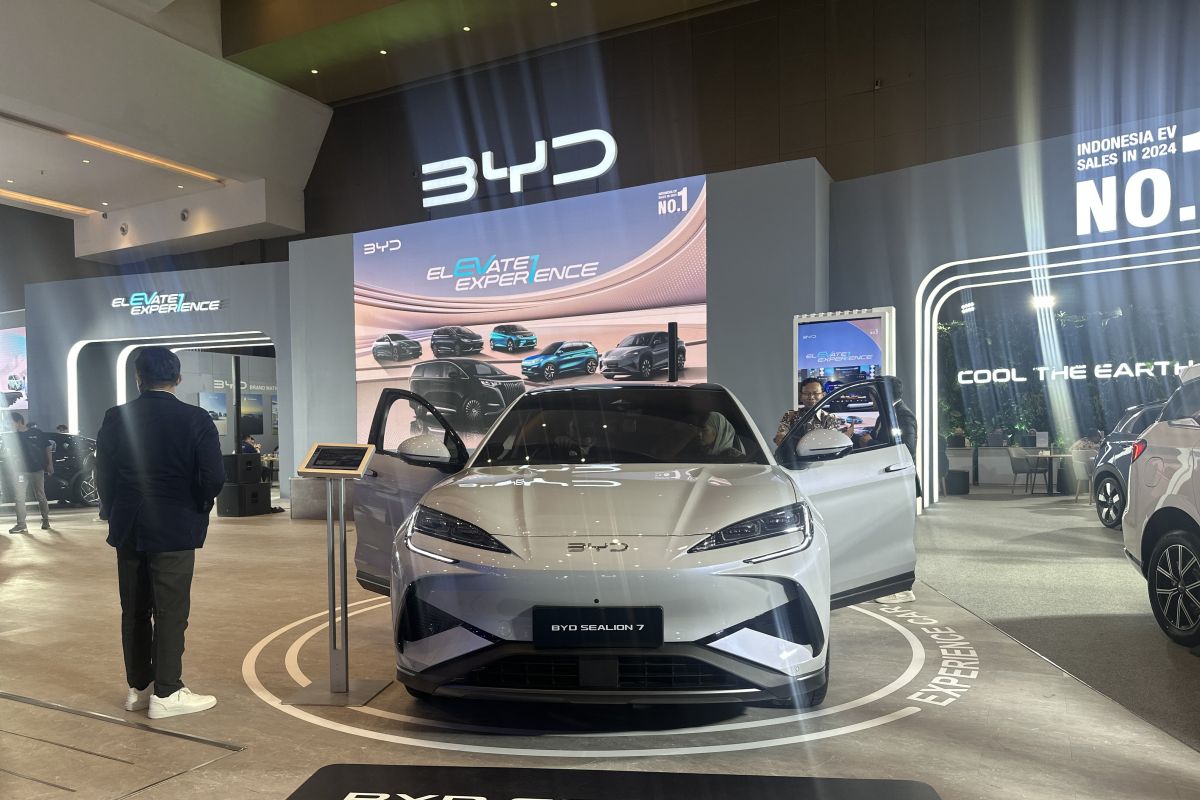
The automotive landscape is undergoing a massive transformation worldwide. Consumers are increasingly shifting their preferences toward sustainable transportation. Among the major players driving this monumental shift is BYD. Recently, the company revealed a comprehensive strategy aimed at dominating the market. Their primary objective is to maximize market share and achieve unprecedented milestones by the end of 2026. This aggressive push involves multiple facets of business development, including network expansion, product diversification, and consumer financing solutions. As we look closer at these initiatives, it becomes clear that the brand is highly dedicated to making green mobility accessible to a broader audience.
Understanding The Current Automotive Market Landscape
To appreciate the magnitude of the company's ambition, one must first analyze the current state of the industry. Environmental awareness has reached an all time high, and governments around the globe are actively promoting clean energy solutions. Consequently, the demand for emission free cars has skyrocketed. People are no longer viewing electric cars as futuristic novelties but as practical daily drivers. In this highly competitive arena, standing out requires more than just offering a decent product. It requires a holistic ecosystem that supports the consumer from the moment they consider a purchase until long after they have driven off the dealership lot.
The strategic roadmap laid out by the management team is specifically designed to capitalize on this growing momentum. The recent surge in BYD electric vehicle sales is a clear indicator that their foundational efforts are already bearing fruit. However, the leadership is not resting on its laurels. Instead, they are doubling down on their expansion plans. They have meticulously analyzed consumer behavior, identifying key barriers to adoption such as range anxiety, upfront costs, and a lack of charging infrastructure. By addressing these pain points systematically, they aim to convert hesitant buyers into loyal brand advocates.
Expanding The Dealership Network Nationwide
One of the most critical components of their growth strategy is the rapid expansion of their physical presence. While digital marketing and online sales channels are important, buying a car remains a highly tactile experience for most consumers. Buyers want to see the car, sit inside the cabin, and take it for a test drive before making a financial commitment. Recognizing this reality, the company has announced plans to aggressively increase its dealership footprint.
The goal is to ensure that potential customers do not have to travel far to experience the vehicles firsthand. By establishing a robust network of showrooms and service centers across various regions, they are building trust and accessibility. A larger dealership network also means a stronger after sales support system. When consumers know that maintenance and repair services are conveniently located, their confidence in the brand increases significantly. This localized approach is expected to play a huge role in bolstering overall BYD electric vehicle sales throughout the year.
Introducing Flexible Financing Solutions For Consumers
Affordability remains a significant hurdle for many prospective electric car buyers. Although the long term savings on fuel and maintenance are substantial, the initial purchase price can be daunting. To overcome this financial barrier, the manufacturer is preparing to introduce innovative and flexible financing solutions. Establishing an in house leasing and financing institution is a game changer. It allows the brand to offer tailored payment plans, lower interest rates, and attractive lease options that traditional banks might not provide.
By taking control of the financing process, the company can streamline the purchasing journey. Customers will experience a seamless transition from selecting their preferred model to finalizing the paperwork. Special promotional rates and extended loan terms will make the monthly payments much more manageable for the average household. As a result, demographic segments that previously considered electric cars out of reach will now be able to participate in the green revolution. This proactive financial strategy is a massive catalyst that will inevitably drive BYD electric vehicle sales to new heights.
Strengthening Product Portfolios With Advanced Technology
Innovation is the lifeblood of the technology sector, and modern automobiles are essentially computers on wheels. To maintain a competitive edge, continuous investment in research and development is mandatory. The upcoming lineup of vehicles promises to feature cutting edge advancements in battery technology, autonomous driving capabilities, and intelligent connectivity. The proprietary battery technology, for instance, offers enhanced safety, longer lifespans, and greater energy density.
Furthermore, the integration of smart software ensures that the cars receive over the air updates, constantly improving the user experience. Drivers can expect intuitive infotainment systems, advanced driver assistance features, and superior energy management systems. By consistently delivering premium features at accessible price points, the brand creates a compelling value proposition. Consumers are savvy; they recognize when a product offers superior technology without the exorbitant price tag usually associated with luxury brands. This strong product portfolio is the foundation upon which future BYD electric vehicle sales will be built.
The Role Of Government Policies In Market Expansion
No corporate strategy exists in a vacuum. External factors, particularly government policies, heavily influence market dynamics. Various administrations have implemented incentives such as tax rebates, subsidies, and exemptions from luxury taxes to encourage the adoption of environmentally friendly transportation. The manufacturer has strategically aligned its operational goals with these public policy initiatives.
However, reliance on government subsidies is not a sustainable long term business model. The company is fully aware that such incentives may eventually be phased out. Therefore, their focus is on achieving economies of scale. By ramping up production and optimizing the supply chain, they can reduce manufacturing costs significantly. This cost efficiency allows them to maintain competitive retail pricing even in the absence of government financial support. Preparing for a market environment where they can compete purely on merit and pricing demonstrates remarkable foresight and corporate maturity.
Overcoming Potential Challenges In The Electric Car Industry
Despite the optimistic outlook, the journey ahead is not entirely devoid of obstacles. The global supply chain remains vulnerable to geopolitical tensions and shortages of critical raw materials. The production of high capacity batteries requires immense amounts of lithium, nickel, and cobalt. Any disruption in the procurement of these materials could lead to production delays and increased costs.
Additionally, the development of public charging infrastructure must keep pace with the growing number of electric vehicles on the road. While the automaker is doing its part by partnering with infrastructure developers, widespread charging accessibility remains a collaborative effort requiring government and private sector participation. Educating the public about the realities of electric vehicle ownership is another ongoing challenge. Misconceptions regarding battery degradation and vehicle performance in extreme weather conditions still linger in the minds of some consumers. The company plans to combat this through aggressive educational marketing campaigns, highlighting real world testimonials and transparent performance data.
Forecasting The Future Of Sustainable Transportation
The strategic initiatives slated for execution before the end of 2026 paint a very clear picture of the future. The combination of expanded retail presence, attractive financing options, technological superiority, and proactive supply chain management creates a formidable business model. The brand is not merely reacting to market trends; they are actively shaping the future of mobility.
As we progress through the coming months, the industry will closely monitor the execution of these plans. If the company successfully implements its blueprint, the impact on the global market will be profound. We are witnessing a historic transition away from fossil fuels, and visionary companies are leading the charge. The relentless pursuit of excellence and accessibility guarantees that BYD electric vehicle sales will continue to capture the attention of industry analysts and consumers alike. The path to a sustainable future is being paved today, and the strategies deployed now will define the automotive hierarchy for decades to come.
Read More