





 Monday, 12-10-26








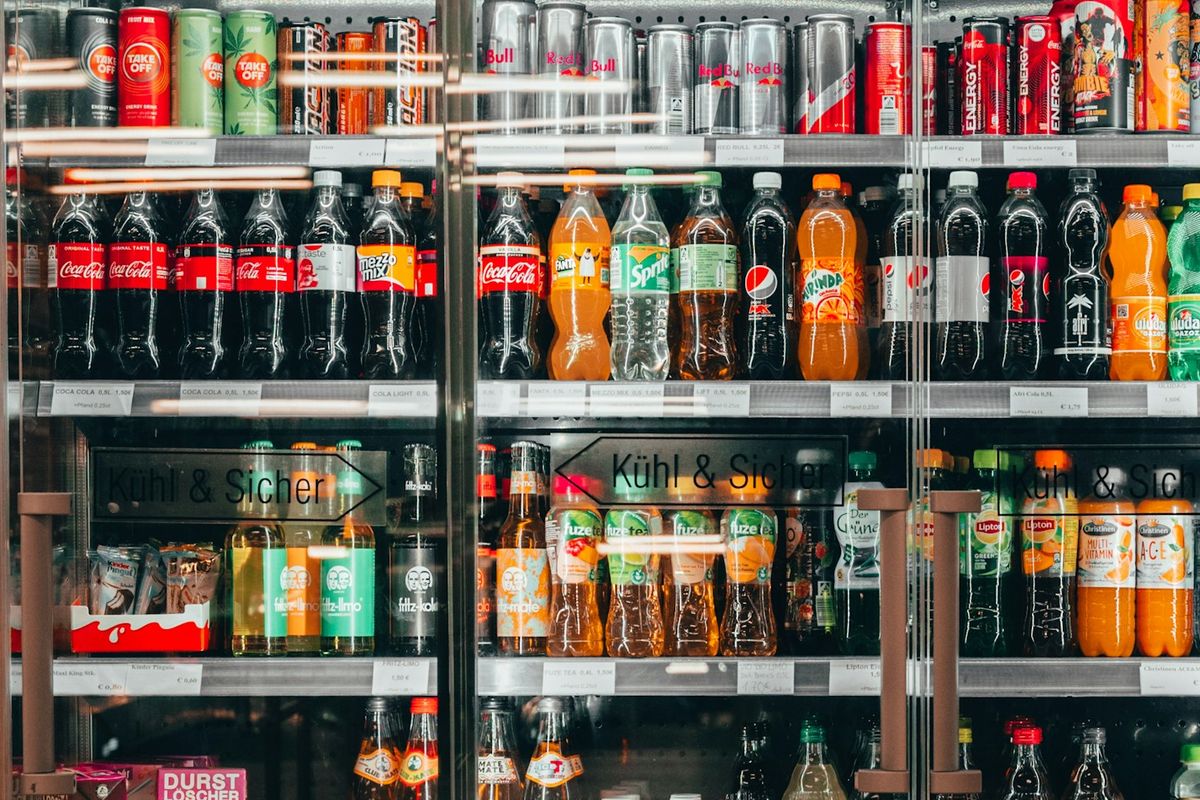
The global conversation around public health and preventive measures has reached a critical turning point in Southeast Asia. For years, public health advocates and economic strategists have debated the most effective ways to reduce the consumption of products that negatively impact society. Recently, the Indonesian government made a landmark decision that will reshape the domestic beverage industry and influence consumer habits across the vast archipelago. In a bold move to combat the rising tide of non communicable diseases, policymakers have officially announced their plan to implement a sweetened drink tax. Slated to take effect in the second half of 2027, this sweeping fiscal policy aims to collect approximately 1.7 trillion Indonesian Rupiah, which translates to roughly 102 million United States Dollars.
This comprehensive policy represents a monumental shift in how the nation approaches the intersection of economic strategy and public wellness. As the government finalizes the regulatory framework, businesses and consumers alike are preparing for a new era of market dynamics. Implementing a sweetened drink tax is not merely about generating state revenue; it is a calculated public health intervention designed to alter purchasing behaviors and encourage healthier lifestyle choices among millions of citizens. By targeting beverages that contain high levels of added sugar, authorities hope to address one of the most pressing medical crises of our time.
The Alarming Health Crisis Driving The Policy
To fully grasp the necessity of this upcoming fiscal measure, one must first understand the severe public health challenges currently facing the country. The primary catalyst for the new sweetened drink tax is the skyrocketing prevalence of diabetes among the population. According to recent estimates from national health authorities, over 20.4 million individuals in the country have been officially diagnosed with diabetes. This staggering statistic places the nation fifth globally in terms of the total number of people living with this chronic condition. Even more concerning are the medical projections indicating that the actual number of affected individuals could be closer to 30 million, as millions remain undiagnosed and untreated due to limited access to early healthcare screening.
The national health survey conducted recently revealed that the prevalence of diabetes among individuals aged 15 and older has reached 11.7 percent based on routine blood glucose testing. This growing epidemic places a massive burden on the national healthcare system, leading to exorbitant medical treatment costs and a significant loss in workforce productivity. High sugar consumption, particularly through easily accessible packaged beverages, has been identified as a major contributing factor to this health crisis. Ready to drink teas, carbonated sodas, and energy drinks are heavily marketed and widely consumed across all demographics in the country. By introducing a sweetened drink tax, the government aims to directly tackle this root cause. The overarching goal is to create a financial deterrent that discourages the excessive intake of sugary liquids, thereby slowing down the rapid spread of diet related diseases and improving the overall quality of life for future generations.
Mechanics Of The Upcoming Fiscal Measure
The successful execution of any nationwide fiscal policy relies heavily on its detailed mechanics and regulatory framework. Currently, the national authorities, led by the customs and excise directorate, are diligently working to finalize the technical rules governing the new sweetened drink tax. While the state budget law for 2027 already includes concrete provisions for this levy, the specific tax rates and sugar content thresholds are still under intense deliberation among various ministries. Policymakers must carefully determine exactly how much added sugar a beverage must contain to be legally subject to the new financial charge.
The proposed levy is specifically intended to cover a wide array of packaged drinks containing added sweeteners. This encompasses popular consumer categories such as carbonated soft drinks, highly caffeinated energy drinks, sweetened flavored waters, and various other ready to drink products available in retail stores. In previous exploratory discussions, government officials had proposed an excise rate of 1,500 Indonesian Rupiah per liter for standard ready to drink beverages and 2,500 Indonesian Rupiah per liter for liquid concentrates, heavy syrups, and flavor extracts. However, these initial figures are not yet finalized for the 2027 rollout. The final structural design of the sweetened drink tax will ultimately dictate its market effectiveness. If the tax rate is set too low, it may fail to significantly alter consumer purchasing habits. Conversely, if the regulatory rate is exceedingly high, it could cause severe economic disruptions for local manufacturers and small retailers. Therefore, finding the perfect fiscal balance remains the utmost priority for the government as they draft the final regulatory guidelines over the coming months.
Economic Balancing And Revenue Adjustments
Implementing a new nationwide excise duty requires a delicate balancing act between achieving ambitious public health objectives and maintaining broader economic stability. Interestingly, the current revenue target of 1.7 trillion Indonesian Rupiah for the sweetened drink tax is substantially lower than earlier government projections. During initial policy deliberations in the previous fiscal year, officials had publicly discussed a potential revenue target reaching up to 7.6 trillion Indonesian Rupiah. This significant downward revision heavily reflects the pragmatic approach the government is taking as it meticulously prepares to roll out the technical rules.
Policymakers are acutely aware of the current macroeconomic conditions, including the somewhat fragile purchasing power of everyday consumers and the complex operational realities faced by the domestic beverage industry. A sudden and drastic increase in retail prices could trigger a sharp decline in overall sales, potentially resulting in widespread job losses within the manufacturing, distribution, and retail sectors. By intentionally lowering the initial revenue expectations, the government intends to implement the sweetened drink tax gradually over time. This phased approach provides businesses with adequate time to adapt their supply chains to the changing regulatory environment. It also minimizes the immediate financial shock to consumers, particularly those in lower income brackets who might be disproportionately affected by sudden price hikes on everyday consumer goods. The adjustment in state revenue targets brilliantly demonstrates a strategic compromise, ensuring that the health focused initiative does not inadvertently derail ongoing economic growth and market stability.
Industry Adaptation And Product Reformulation
The impending implementation of this massive fiscal policy is already sending ripples throughout the fast moving consumer goods sector. Beverage manufacturers are well aware that the new government regulations will fundamentally alter the highly competitive landscape. In proactive response to the upcoming policy, many leading industry players are heavily exploring strategies to minimize their future tax liabilities while concurrently continuing to meet high consumer demand.
One of the most highly anticipated and positive outcomes of the sweetened drink tax is the widespread reformulation of existing commercial beverage products. To entirely avoid the extra financial costs associated with the new levy, companies are now heavily investing in advanced research and development to create drinks with significantly lower sugar content. We can confidently expect to see a massive surge in the availability of zero sugar alternatives, lightly sweetened herbal teas, and innovative beverages utilizing natural, low calorie sugar substitutes. This industry wide shift aligns perfectly with the overarching public health objectives of the state. As manufacturers voluntarily reduce the sugar levels in their product portfolios, the average everyday consumer will naturally ingest less sugar, even if their overall liquid consumption habits remain relatively unchanged. Furthermore, corporate marketing strategies will likely pivot heavily to highlight the numerous health benefits of these newly reformulated products. Prominent brands will emphasize their strict compliance with the new health standards, using reduced sugar content as a powerful unique selling proposition. Ultimately, the collaboration between strict regulatory pressure and agile industry innovation possesses the immense potential to transform the entire beverage market into a much healthier commercial ecosystem.
Shaping Consumer Behavior And Public Awareness
Financial incentives and regulatory penalties have long been recognized by economists as incredibly powerful tools for actively shaping consumer behavior. When the retail price of a sugary beverage inevitably increases due to the newly applied excise duty, everyday consumers are forced to deeply reconsider their daily purchasing decisions. For a significant portion of the population, the higher checkout cost will serve as a sufficient deterrent, leading them to quickly opt for untaxed, healthier alternatives such as plain bottled water, unsweetened teas, or freshly pressed juices.
However, permanently altering deeply ingrained dietary habits requires substantially more than just periodic price adjustments. For this fiscal policy to be truly effective across all demographics, it must be vigorously accompanied by comprehensive public education campaigns. The national government and various health organizations must actively work in tandem to consistently raise awareness about the severe health risks associated with excessive sugar consumption. Consumers need to thoroughly understand that the retail price increase is not merely a bureaucratic state revenue generation scheme, but rather a vital medical intervention designed to protect their long term physical well being. By educating the general public on how to properly read nutritional labels and precisely understand sugar content thresholds, individuals will be greatly empowered to make fully informed dietary choices on a daily basis. When broad public awareness perfectly aligns with a strong fiscal policy, the overall societal impact is tremendously magnified. The ultimate success of the current government initiative will therefore depend on a highly holistic approach that brilliantly combines economic disincentives with robust health literacy programs, ensuring that the entire diverse population truly understands the critical importance of drastically reducing their daily sugar intake.
Global Perspectives On Sugar Levies
Indonesia is certainly not alone in its ongoing battle against diet related non communicable diseases. Across the globe, numerous progressive countries have successfully implemented very similar fiscal measures to effectively curb the consumption of unhealthy dietary products. From Latin America to Western Europe, overwhelming empirical evidence heavily suggests that strictly taxing sugary beverages can quickly lead to a measurable and sustained decline in their retail sales and overall consumption.
For instance, several nations that introduced strict excise duties on high sugar items witnessed a massive and immediate drop in the purchase of carbonated sodas within the very first few years of regulatory implementation. These prominent international precedents provide incredibly valuable data insights for Indonesian policymakers. By diligently studying the distinct successes and logistical challenges faced by other foreign nations, the government can easily refine its own domestic regulatory framework to maximize public health effectiveness and completely minimize unintended negative economic consequences. The global public health trend towards strictly regulating consumer products extremely high in sugar, salt, and saturated fat is quickly gaining massive momentum, and the historic decision to actively join this movement strongly highlights the nation's steadfast commitment to elevating global health standards. As the world closely watches, the eventual outcome of this ambitious fiscal policy could easily serve as a brilliant functional model for other rapidly developing nations currently grappling with similar widespread health crises.
Moving Towards A Healthier Future
As the targeted implementation date of 2027 rapidly approaches, anticipation and logistical preparation are heavily accelerating across all major sectors of modern society. The upcoming public health policy represents a highly critical juncture in the nation's long journey towards better public health and truly sustainable economic practices. While the initial market transition may briefly present temporary financial challenges for beverage manufacturers and require a slight adjustment period for everyday consumers, the long term societal benefits are absolutely undeniable.
Reducing the massive prevalence of diabetes and other completely preventable diet related diseases will greatly alleviate the immense financial strain currently placed on the national healthcare system, thereby freeing up crucial monetary resources for other critical developmental areas. Furthermore, a significantly healthier population seamlessly translates directly to a much more productive and energetic workforce, which is absolutely essential for driving the nation's continued robust economic prosperity in the coming decades. The highly careful planning, the remarkably measured revenue targets, and the ongoing transparent dialogue between key government agencies and massive industry stakeholders all strongly point towards a well considered and highly successful implementation strategy. By directly addressing the looming sugar epidemic head on, the nation is taking a remarkably proactive, necessary, and courageous step towards officially securing a vibrant and healthy future for all generations to come.
Read More