





 Monday, 05-10-26








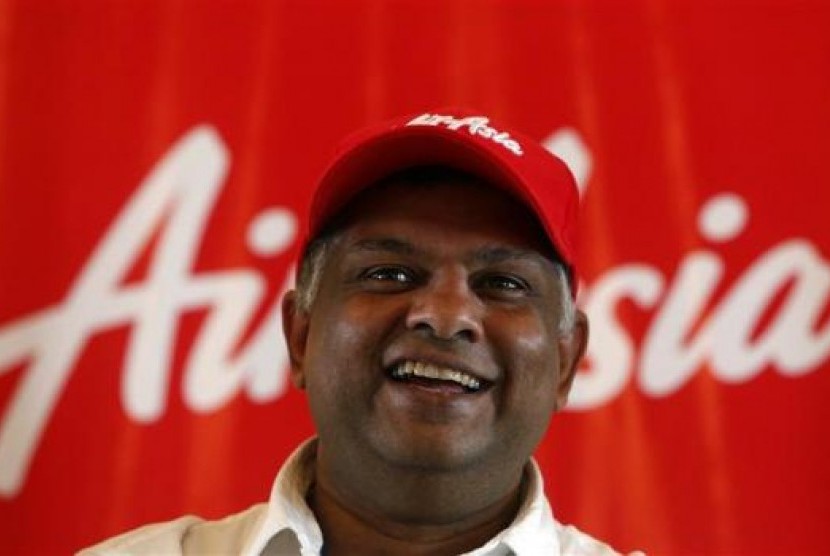
The aviation industry has faced numerous financial hurdles over the past few years. From fluctuating travel demands to rising operational expenses, airlines around the world have had to adapt quickly just to survive. Recently, a major budget carrier in Southeast Asia found itself in the spotlight due to serious financial concerns. The ongoing AirAsia cash squeeze has become a central topic of discussion among global investors and frequent travelers alike. Despite the highly alarming news headlines, company leadership remains confident about the future outlook. By implementing strategic financial maneuvers and focusing closely on core daily operations, the airline aims to navigate these turbulent financial waters without shutting down its services.
The Current State Of Financial Affairs For The Budget Airline
Understanding the true extent of the AirAsia cash squeeze requires a close look at the recent financial statements officially released by the company. Group Chief Executive Officer Bo Lingam recently spoke candidly to the press about the liquidity problems currently facing the business. In a comprehensive interview conducted near the Kuala Lumpur International Airport, he openly acknowledged the immense financial pressure but firmly stated that operations would continue normally. The primary culprit behind this heavy financial burden is the soaring price of aviation fuel, which severely impacts the tight profit margins of low cost carriers across the globe.
During the business quarter spanning from April to June, the popular airline recorded its absolute largest quarterly loss in four entire years. The total financial loss amounted to roughly five hundred and twenty seven million Malaysian ringgit, which translates to a massive sum in international currencies. A major driver of this historic loss was a stunning fifty eight percent increase in global fuel costs. When fuel prices spike so dramatically, airlines must make the difficult choice between raising ticket prices or simply absorbing the extra costs internally. For a company built specifically on a budget friendly business model, passing too much of the cost onto consumers can drastically reduce overall ticket sales. As a direct result, the financial balance sheet took a very significant hit.
Rising Fuel Costs And Quarterly Losses Explained
A much deeper dive into the provided numbers reveals the true severity of the financial situation. By the end of June, the reported liabilities of the company exceeded its overall assets by approximately six hundred million Malaysian ringgit. At that exact same time, the airline held nine hundred and fifty four million Malaysian ringgit in total cash reserves. Independent financial analysts quickly noted that this was one of the absolute lowest cash levels among major airlines currently tracked by leading financial data firms. This precise combination of incredibly high liabilities and low cash reserves is exactly what triggered widespread public concern regarding an AirAsia cash squeeze.
Despite these daunting financial figures, the entire leadership team remains highly optimistic. Bo Lingam emphasized strongly that the airline continues to generate cash every single day through its regular ongoing flight operations. Because daily passengers continuously pay for flight tickets, extra baggage fees, and in flight meals, money is constantly flowing into the business accounts. This steady daily income stream allows the company to comfortably meet its essential obligations, including paying incredibly expensive lease fees for its massive fleet of aircraft. As long as the planes keep flying and passengers keep booking trips, the daily cash flow provides a vital lifeline for the currently struggling carrier.
Addressing Closure Rumors And Assuring Ongoing Flight Operations
When news of the significant financial struggle first broke, panicked rumors began rapidly circulating that the airline might be forced to permanently close its doors. These worst case scenario fears caused the company share price to drop sharply in the month of September. However, executive leadership quickly stepped in to squash these highly alarming rumors. The Chief Executive Officer explicitly stated to reporters that the airline is absolutely not closing down. He also completely ruled out the possibility of a government rescue or any state funded bailout, expressing full confidence in the internal recovery strategy meticulously crafted by the executive board.
The public reassurance that daily operations will remain entirely unaffected is absolutely crucial for maintaining consumer trust. If loyal passengers begin to believe an airline might soon go bankrupt, they will immediately stop booking future flights, which would only worsen the existing AirAsia cash squeeze. By publicly addressing the financial situation head on and outlining a very clear path forward, the management team successfully calmed anxious investors and worried customers. The airline proudly continues to operate its vast network of popular domestic and international routes, safely serving millions of travelers across the Asian continent without any major disruptions.
Restructuring Debt And Securing Significant International Funding
To properly resolve the liquidity problem and effectively stabilize the company, management rapidly initiated a massive fundraising campaign. The airline is currently in the complex process of raising one billion United States dollars to permanently strengthen its financial foundation. Group Deputy Chief Executive Officer Farouk Kamal detailed exactly how these crucial funds will be utilized. Approximately half a billion dollars will be strategically used to consolidate existing company debt into one single manageable loan. This new consolidated loan will then only need to be fully repaid in a single payment at its future maturity date.
This clever financial restructuring maneuver is specifically designed to deeply ease the immediate short term financial pressure currently placed on the company. By smartly pushing the heavy debt repayment much further down the road, the airline instantly frees up much needed capital to easily sustain its current daily operations. The remaining portion of the newly raised funds will go directly toward boosting general working capital. Having a healthy internal reserve of working capital ensures that the business can comfortably pay for necessary daily expenses, employee salaries, and routine aircraft maintenance while safely navigating the broader economic challenges impacting the global travel industry today.
Managing Fleet Size And Future Aircraft Deliveries
A highly critical component of successfully managing any airline involves optimizing the overall size and daily efficiency of the aircraft fleet. In a bold effort to reduce unnecessary monetary expenses, the company recently made some incredibly difficult decisions regarding its airplanes. In late September, credible reports surfaced that the airline sold six newly received jets back to a prominent aviation leasing company. These specific aircraft were originally accepted during a chaotic period of massive industry restructuring just a few years ago.
Bo Lingam clearly explained that the monthly rental rates for these six specific planes were simply too incredibly high to ever justify keeping them in active service. Returning them to the original lessors was widely described as a highly strategic one off decision meant to actively protect the bottom line. Those successfully returned aircraft were subsequently transferred to a brand new aviation startup proudly based in Vietnam. By selectively shedding overly expensive operational assets, the management team successfully reduced monthly operational costs, thereby taking another highly positive step toward mitigating the effects of the AirAsia cash squeeze.
Leadership Perspectives On Overcoming Financial Hurdles
Prominent company founders have also publicly voiced their strong support and openly shared their bright vision for the future. Co founder Tony Fernandes recently held a major press conference in Bangkok to directly address the general public and the international media. He firmly reiterated that the company still has a massive confirmed order of five hundred new aircraft currently sitting in the manufacturing pipeline. More importantly, he boldly clarified that the airline will absolutely not attempt to convert these incoming aircraft orders into immediate cash. This powerful statement signals a very strong corporate commitment to long term growth and regional expansion, rather than short term liquidation.
At the end of June, the popular airline was actively using one hundred and sixty one out of its two hundred and thirty nine available company aircraft. Slowly bringing more resting planes back into active daily service will significantly help the company quickly increase its total revenue generation capacity. The executive leadership team truly believes that as regional travel demand continues to steadily bounce back, utilizing the full active fleet will naturally lead to much higher profits and deeply improved financial stability. Their unwavering corporate confidence serves as a incredibly strong counter narrative to the overly pessimistic financial reports currently dominating the recent international news cycle.
Looking Ahead Towards Sustained Profitability
The ambitious roadmap for the future involves a very careful balancing act between safely managing current debts and intelligently investing in future flight capacity. Solid funding is already firmly in place for a highly substantial number of exciting new aircraft deliveries scheduled over the next several years. The company fully expects to formally receive seven brand new planes in the year two thousand and twenty seven, quickly followed by an additional twenty planes in the year two thousand and twenty eight. These highly modern aircraft will drastically reduce overall daily fuel consumption, greatly helping to actively prevent future financial crises caused by highly unpredictable global oil prices.
Ultimately, the commercial aviation sector remains an incredibly tough business environment for everyone involved. Standard profit margins are inherently very thin, and uncontrollable external factors like global fuel markets can quickly disrupt even the most carefully crafted corporate business plans. However, the highly proactive measures confidently taken by the executive management team demonstrate a deeply clear understanding of the complex challenges at hand. Through smart debt consolidation, careful fleet optimization, and a highly renewed focus on daily operational efficiency, the airline is exceptionally well positioned to successfully overcome its current financial hurdles. The wonderfully transparent approach to properly handling the AirAsia cash squeeze has effectively provided dedicated stakeholders with a highly realistic but wonderfully hopeful perspective on the eventual grand return to sustained corporate profitability.
Read More