





 Monday, 05-10-26








The Astonishing Rebound Of The Southeast Asian Economy
In May, the largest economy in Southeast Asia experienced a rare downturn. For the first time in six years, the nation recorded a trade deficit. This initial drop sparked concerns among investors and economic observers globally. However, the subsequent recovery was nothing short of remarkable. The central statistics agency revealed that by August, the Indonesia trade surplus had reached an impressive three billion and fifty five million dollars. This figure far surpassed initial expectations and effectively soothed lingering deficit fears.
To grasp the magnitude of this recovery, one must look at the broader economic context. The world market has been volatile, with fluctuating commodity prices and changing international demand. Despite these external pressures, the local economy demonstrated profound resilience. The government and private sectors worked in tandem to stabilize the situation. They focused on maximizing the output of key commodities while carefully managing import volumes.
This strategic approach paid off handsomely. The quick bounce back from a brief deficit to a massive surplus highlights the structural strength of the domestic market. It also sends a strong positive signal to foreign investors. The ability to pivot and recover within a mere few months is a testament to effective economic governance and the inherent robust nature of local industries.
Key Drivers Behind The Soaring Export Numbers
The remarkable Indonesia trade surplus did not materialize out of nowhere. It was the direct result of a significant boost in overall export activities. According to official data, exports in August rose by more than six percent compared to the same period in the previous year. This consistent growth brought the total export value to over twenty six billion dollars. Several core industries contributed heavily to this massive financial figure.
Non oil and gas commodities were the primary heroes of this economic narrative. The surplus in this specific sector alone exceeded six billion dollars. Manufacturing, agriculture, and mining sectors saw elevated production and distribution levels. Global demand for raw materials and semi finished goods from the region remained incredibly strong. Buyers from various continents continued to place massive orders, securing the nation as a vital supplier on the global commercial stage.
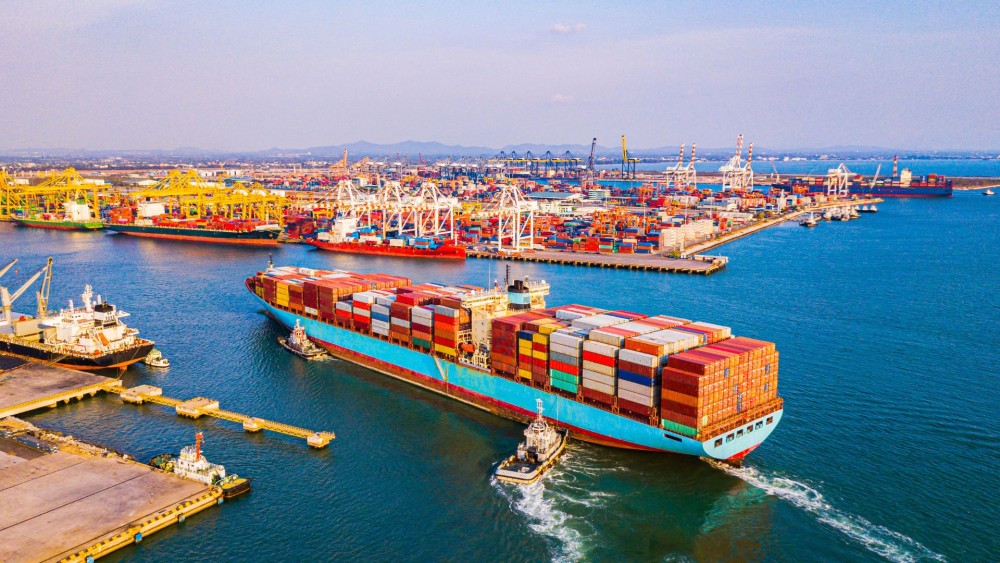
Furthermore, improved logistical networks and streamlined customs procedures at major national ports played a pivotal role. Faster loading and unloading times mean that cargo ships can transport goods more efficiently across the ocean. This logistical efficiency directly translates into higher monthly export volumes, thereby cementing the strong economic performance recorded in recent analytical reports.
The Role Of Palm Oil In Strengthening Global Market Confidence
When analyzing the Indonesia trade surplus, one cannot overlook the massive contribution of palm oil. The global appetite for this versatile agricultural commodity remains overwhelmingly large. From everyday food products to cosmetics and industrial biofuels, palm oil is an essential ingredient for countless industries worldwide. The nation stands as one of the top producers globally, and this dominance was fully leveraged during the recent economic quarter.
Despite various environmental debates and changing trade regulations in certain western markets, the demand from major Asian and African economies stayed robust. These expanding markets prioritize affordable and abundant vegetable oils, making the local supply incredibly attractive. Exporters maximized this steady demand by increasing shipment volumes throughout August. The revenue generated from palm oil exports formed a massive chunk of the overall positive trade balance.
The success of the palm oil sector also creates a positive ripple effect across the entire domestic economy. Millions of smallholder farmers and rural plantation workers benefit directly from sustained global demand. Increased export revenues lead to better wages, infrastructure development, and greater purchasing power within agricultural communities. This internal economic circulation further fortifies the national economy against potential global recessions or sudden market downturns.
Comparing Oil And Gas Deficits With Non Oil Commerce
While the overall Indonesia trade surplus is worth celebrating, a detailed look at the internal statistics reveals a stark contrast between different industrial sectors. The non oil and gas sector was the undeniable champion, raking in a massive surplus that carried the national average. However, the oil and gas sector painted a completely different economic picture. This specific sector actually experienced a shortfall of more than two billion dollars during the exact same period.
This deficit in the energy sector is a recurring historical theme. The nation consumes vast amounts of fossil fuels to power its rapidly growing industries and expanding urban centers. Domestic oil production simply cannot keep up with the soaring internal energy demand. As a result, the government must rely on heavy international imports of crude oil and refined petroleum products. Interestingly, the outbound shipments of local oil and gas commodities actually fell by more than five percent year on year, dropping below the one billion dollar mark.
Despite this notable energy deficit, the sheer volume and overall value of non oil exports were more than enough to offset the financial losses. The robust performance of agricultural and manufactured goods easily covered the soaring costs of imported fuel. This dynamic highlights a critical balancing act within the national economy. It underscores the vital importance of continuously growing the non oil sectors to compensate for the inevitable expenses associated with heavy energy importation.
Analyzing The Influx Of Chinese Goods And Import Dynamics
To fully understand the current Indonesia trade surplus, we must also thoroughly examine the other side of the trade equation. Total imports in August soared by nineteen percent compared to the previous year, reaching an excess of twenty three billion dollars. A rapidly growing economy naturally requires more raw materials, heavy machinery, and diverse consumer goods. The steady rise in imports is actually a clear indicator of active domestic manufacturing and strong national consumer confidence.
Chinese goods made up the lion share of these incoming global shipments. This is a common and expected trend, as the two nations share deep and extensive commercial ties. Domestic manufacturers rely heavily on affordable industrial components and electronic machinery sourced from their northern neighbor. From smart electronics to heavy construction equipment, these imported goods are essential for maintaining the momentum of local infrastructure projects and bustling factory production lines.
While exceptionally high import numbers can sometimes threaten a delicate trade balance, in this particular scenario, they represent highly productive investments. Many of the imported items are crucial capital goods utilized to manufacture products that will eventually be exported back to the global market. Therefore, the strategic influx of foreign goods actually feeds into the domestic cycle of production, ultimately supporting the sustained growth of the national export capacity over the long run.
Examining The Perspectives And Forecasts Of Top Economic Analysts
Prior to the official release of the statistics by the central agency, financial experts were largely divided in their market predictions. The sudden transition from a surprising deficit in May to a slim surplus a few months later left many top tier analysts guessing about the true economic trajectory for August. Bank Permata analysts were cautiously optimistic about the recovery. They confidently projected a positive balance but severely underestimated the actual outcome, predicting a modest surplus of slightly less than one billion dollars.
On the other hand, some prominent experts adopted a much more skeptical financial stance. Media reports indicated that the lead economist at Bank Danamon forecasted a troubling deficit of nearly one billion dollars. The sheer unpredictability of modern global markets and constantly fluctuating commodity prices made accurate forecasting an incredibly difficult task for everyone involved. The lingering psychological effects of the previous historic deficit heavily influenced these conservative and sometimes rather pessimistic economic estimations.
When the actual astonishing figure of over three billion dollars was publicly announced, it completely shattered all these mixed financial expectations. The reality of the monthly economic performance proved that the foundational elements of the export sector were much stronger than anyone anticipated. This surprising positive result has since forced many banking institutions to rapidly recalibrate their internal economic models and adopt a much more positive outlook regarding the future commercial performance of the nation.
Long Term Outlook For Jakarta And The Regional Markets
The phenomenal Indonesia trade surplus achieved in August provides a rock solid foundation for the remainder of the calendar year. However, maintaining this upward momentum requires continuous daily effort and strategic financial foresight. The total goods trade surplus for the first eight months of the year impressively stood at over seven billion dollars. While this is an objectively substantial amount, it does represent a notable decrease from the massive positive balance recorded during the exact same period in the previous year.
To securely anchor long term stability, regional policymakers must aggressively focus on diversifying international export destinations. Relying too heavily on just a few key global markets can expose the entire economy to unnecessary financial risks. Exploring completely new trade agreements with rapidly emerging economies in South America and Eastern Europe could easily open up highly lucrative avenues for ambitious local exporters. Additionally, intentionally adding more commercial value to raw commodities before they ever leave the shipping ports will significantly boost total national revenue. Instead of merely exporting crude palm oil, expanding the local refining and manufacturing capacity can yield much higher global profits.
The broader regional economic climate also plays a highly vital role in this equation. As neighboring countries begin to recover and rapidly expand their own manufacturing bases, the fierce competition for foreign investment and vital export market share will undoubtedly intensify. Jakarta must proactively continue to improve its local regulatory environment, drastically streamline bureaucratic processes, and heavily invest in modern digital infrastructure. By consistently doing so, the nation will not only carefully maintain its current positive trade balance but also firmly cement its undisputed position as the premier economic powerhouse in the Southeast Asian region.
Overcoming Deficit Fears With Stronger Trade Strategies
The initial market panic caused by the brief unexpected deficit earlier in the year has now been entirely replaced with a renewed sense of unshakeable confidence. The massive statistical rebound effectively proves that temporary market setbacks do not accurately define the overall long term economic trajectory. Both the government and various private sectors have successfully demonstrated their impressive ability to adapt to rapidly changing global circumstances swiftly and decisively.
Moving firmly forward, the national focus must inevitably shift from simply recovering to proactively expanding international presence. Substantial investments in modern technology and highly skilled human resources will be absolutely critical. A highly skilled modern workforce can easily drive profound innovation in the vital manufacturing and technology sectors, expertly creating high value products that naturally command premium prices on the highly competitive international market. Furthermore, aggressively adopting sustainable green practices in large scale agriculture and heavy mining will ensure that the growing nation can easily meet the expanding global demand for ethically sourced raw materials.
Ultimately, the highly impressive economic figures from August serve as a wonderfully powerful reminder of the nation's truly immense financial potential. Through incredibly careful planning, highly strategic global investments, and a relentless commitment to continuous operational improvement, the bustling commercial sector will undoubtedly continue to thrive. The recent financial success story is effectively just one early chapter in a much larger, highly inspiring narrative of enduring economic growth and undisputed regional leadership.
Conclusion
The dynamic economic landscape of Southeast Asia has recently witnessed a truly spectacular financial recovery led by absolutely incredible global export performances. The exciting realization of a massive positive trade balance has successfully silenced skeptical market observers and efficiently provided a much needed robust boost to international market confidence. By expertly leveraging strong global demand for key agricultural commodities and carefully maintaining highly productive import strategies, the national economy has clearly proven its exceptional resilience.
As the financial year rapidly progresses, all watchful eyes will undoubtedly remain fixed on the central statistics agency to see if this incredible economic momentum can be successfully sustained. With careful daily management and strategic visionary foresight, the proud nation is exceptionally well equipped to comfortably navigate any future global economic challenges. The truly outstanding market results from August have undeniably set an incredibly high financial benchmark, beautifully highlighting the enduring strength and boundless global potential of the vital local commercial sectors.
Read More