





 Tuesday, 20-10-26








The digital ecosystem across Asia Pacific is entering a transformative phase characterized by rapid technological convergence and expanding infrastructure investments. According to the latest Mobile Economy Asia Pacific report released by global telecom industry association GSMA ahead of the M360 ASEAN summit in Kuala Lumpur, mobile technologies and services are projected to contribute 1.4 trillion dollars to the regional economy by 2030. This landmark valuation represents a substantial 40 percent surge compared to the current annual economic contribution of approximately 1 trillion dollars. The findings demonstrate that regional market expansion is no longer driven purely by basic internet connectivity, but rather by sophisticated integrations of fifth generation wireless networks, artificial intelligence, and enterprise cloud solutions. Consequently, tracking Asia Pacific mobile economy growth provides vital insights into how emerging technologies are reshaping commercial landscapes, government strategies, and consumer behaviors across diverse markets.
As national governments and business leadership accelerate their digital transformation initiatives, telecommunication networks serve as the fundamental backbone powering industrial modernization. The transition toward high value digital ecosystems is opening new frontiers for productivity, workforce development, and economic resilience. Furthermore, the convergence of advanced digital tools is enabling traditional industries to optimize operational workflows, reduce administrative overhead, and deliver personalized services at scale. Understanding the structural pillars behind Asia Pacific mobile economy growth requires a thorough examination of infrastructure investments, enterprise adoption trends, and regional policy adjustments.
Expanding Fifth Generation Networks and Massive Capital Expenditure
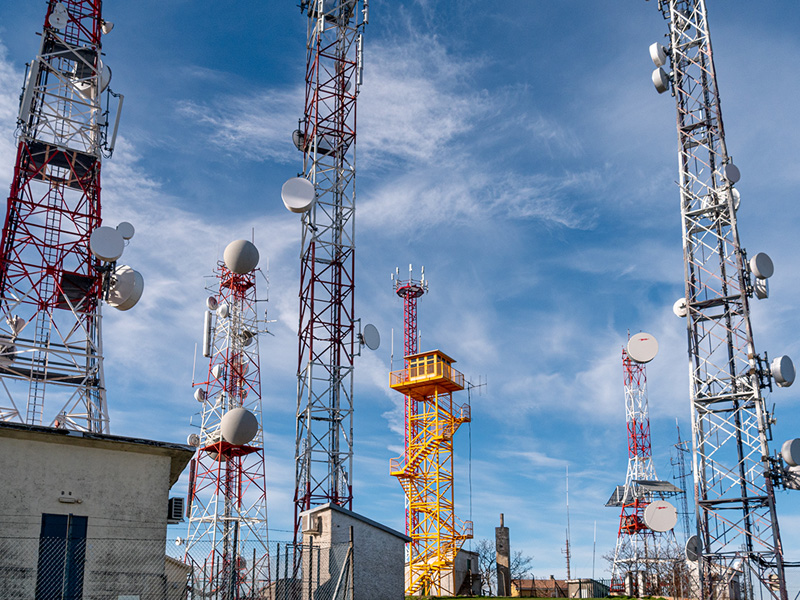
A central driver of regional economic expansion is the accelerated deployment of fifth generation mobile networks. Projections from industry researchers indicate that 5G connections across Asia Pacific will reach 1.5 billion by 2030, accounting for nearly 50 percent of all total mobile connections in the region. This rapid scaling reflects significant financial commitments from telecommunications operators, who are estimated to spend over 200 billion dollars in capital expenditure on network infrastructure between 2025 and 2030. These continuous network upgrades provide the ultra low latency, high bandwidth, and massive device capacity necessary to support advanced enterprise applications.
The wide deployment of fifth generation networks delivers economic value far beyond improved mobile browsing speeds for retail consumers. High speed mobile connectivity enables smart factory automation, real time logistics tracking, remote medical diagnostics, and autonomous transit systems. By supporting an estimated 18 million direct and indirect jobs across the region, the mobile ecosystem acts as a primary engine for employment generation and skills development. As coverage expands into secondary cities and rural industrial corridors, the continuous push toward comprehensive network availability continues to stimulate localized economic activity and foster new digital entrepreneurship opportunities.
Convergence of Artificial Intelligence and Industrial Internet of Things
The integration of artificial intelligence with fifth generation connectivity and Internet of Things architectures represents a fundamental paradigm shift for regional enterprises. Advanced algorithms require real time data transmission and localized computing capacity to deliver actionable insights across complex supply chains. According to economic assessments, the manufacturing and services sectors are expected to capture more than half of the total financial benefits generated by advanced mobile technologies. Smart factories leveraging predictive maintenance, automated quality control, and robotic assembly lines are achieving unprecedented levels of operational efficiency.
In response to these evolving enterprise requirements, mobile network operators are undergoing a profound strategic transformation. Leading telecom providers are evolving beyond traditional connectivity vendors into integrated technology partners. Operators are actively investing in edge computing centers, localized cloud hosting platforms, and artificial intelligence foundation tools designed specifically for corporate clients. By offering end to end digital solution suites, operators enable small and medium enterprises as well as large conglomerates to adopt sophisticated automation tools without requiring prohibitive upfront capital outlays. This technological empowerment serves as a direct catalyst for sustained Asia Pacific mobile economy growth across competitive global markets.
Prioritizing Digital Sovereignty and Infrastructure Resilience
Geopolitical uncertainties and strict international data governance regulations have elevated digital sovereignty to the forefront of national policy agendas across Asia Pacific. Governments and corporate leaders are increasingly focused on retaining control over critical data assets, digital infrastructure, and strategic software platforms. This policy shift is driving substantial domestic investments in localized cloud storage, sovereign data centers, and secure national computing environments. Policymakers recognize that economic stability depends heavily on maintaining resilient digital assets that remain protected from external disruptions and cyber threats.
Mobile operators play an indispensable role in safeguarding national digital sovereignty by constructing secure, redundant, and highly reliable network corridors. By establishing localized data processing nodes and partnering with government institutions, telecommunications companies help ensure that national security protocols are upheld without sacrificing international commercial collaboration. Maintaining this delicate balance between domestic data sovereignty and global digital trade is critical for preserving investor confidence. As regulatory frameworks mature, proactive investments in resilient digital architecture will remain a crucial foundational element supporting long term Asia Pacific mobile economy growth.
Strengthening Digital Trust and Mitigating Cyber Risks
As digital finance, mobile commerce, and public e-governance platforms expand rapidly, safeguarding consumer trust has become a vital strategic challenge. The proliferation of connected devices and digital transactions has unfortunately been accompanied by a rise in sophisticated cybercrime, online phishing, and financial fraud. Surveys across Association of Southeast Asian Nations member countries reveal that consumer exposure to digital fraud rose significantly, with 45 percent of surveyed individuals reporting fraudulent incidents in recent assessments compared to 31 percent in previous cycles.
This alarming trend highlights the urgent necessity for comprehensive digital trust frameworks and robust network security measures. Telecom operators, financial institutions, and regulatory authorities are joining forces to deploy artificial intelligence powered fraud detection systems directly into communications networks. Real time message filtering, biometric identity verification, and automated threat intelligence sharing are being implemented to protect consumer assets. Restoring and maintaining public confidence in digital services is essential, as persistent security vulnerabilities could otherwise slow consumer adoption rates and hinder the broader trajectory of Asia Pacific mobile economy growth.
Bridging the Usage Gap to Unlock Future Potential
Despite impressive network expansion and widespread high speed coverage, a substantial proportion of the region's population remains unable to participate fully in the digital economy. Industry statistics highlight a persistent usage gap, showing that approximately 700 million adults across Asia Pacific live within areas covered by mobile broadband signals but do not actively utilize mobile internet services. The primary barriers hindering adoption include limited digital literacy, high cost of internet capable devices, socio economic disparities, and a shortage of relevant localized content.
Closing this usage gap represents one of the most promising opportunities for expanding the digital market footprint across developing economies. Public agencies and private enterprise leaders must collaborate to introduce targeted policy interventions, such as digital skills training programs, microfinancing for smart devices, and localized public service applications. Bringing hundreds of millions of offline citizens into the digital fold will expand e-commerce markets, increase financial inclusion, and accelerate socio economic development. Addressing these accessibility challenges will ensure that the benefits of mobile innovation are distributed equitably across all segments of society.
Strategic Outlook and Regional Collaboration
The future trajectory of mobile technology in Asia Pacific depends on sustained cross border cooperation, forward looking regulatory policies, and continuous private sector innovation. Events such as the M360 ASEAN summit provide vital platforms for government ministers, regulatory bodies, and industry executives to align their strategic priorities. Key focus areas including spectrum allocation, affordable network licensing fees, and cross border data sharing protocols require harmonized regional standards to maximize efficiency and spur economic investment.
As telecommunications operators continue executing multi-billion dollar infrastructure plans, the region is well positioned to lead global adoption of next generation technology solutions. By combining state of the art 5G networks with artificial intelligence capabilities and strong cybersecurity safeguards, Asia Pacific is establishing a sustainable model for digital economic growth. Over the coming decade, mobile technology will remain the primary engine driving economic transformation, societal empowerment, and regional competitiveness on the global stage.
Read More