





 Friday, 09-10-26








Introduction to Regional Energy Collaboration
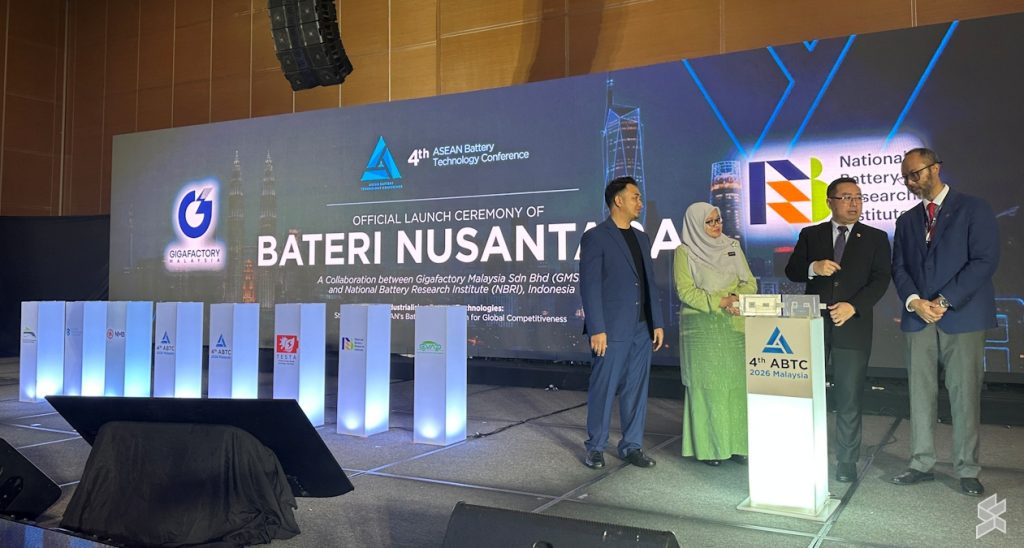
Southeast Asia is rapidly becoming a central hub for technological innovation and green energy development. A shining example of this progression is the recent joint venture between Malaysia and Indonesia. The two nations have proudly unveiled a groundbreaking lithium ion energy storage solution known as the Nusantara Battery. This joint initiative not only highlights the growing technological capabilities of the region but also sets a new standard for international cooperation in addressing global energy needs. Unveiled during the fourth ASEAN Battery Technology Conference in Sepang Malaysia, the project illustrates how neighboring countries can unite to create a sustainable technological ecosystem rather than competing for dominance in the global market. As the world shifts away from fossil fuels, the demand for reliable and efficient energy storage solutions has skyrocketed. By pooling their intellectual and natural resources, Malaysia and Indonesia are positioning themselves at the forefront of this global energy transition, ensuring that Southeast Asia remains a competitive and forward thinking region.
The Science Behind the Advanced Technology
At the core of the Nusantara Battery is a sophisticated nickel manganese cobalt chemistry. This mixed metal oxide is highly regarded in the industry for its exceptional performance in the cathodes of modern energy storage systems. What sets this particular project apart is the integration of graphene into the architecture. Graphene is essentially a single layer of carbon atoms arranged in a honeycomb lattice. It is renowned for its extraordinary strength as well as its superior thermal and electrical conductivity. By incorporating graphene into a pouch cell format, developers aim to significantly enhance the overall efficiency and lifespan of the unit. The use of graphene serves as a highly effective substitute for traditional graphite in the anode section. This advanced scientific approach signals a major leap forward for the regional electric vehicle sector, promising to push the boundaries of current energy storage capabilities and offering a glimpse into the future of automotive power systems.
Leveraging Unique National Strengths
The successful development of the Nusantara Battery relies heavily on the complementary strengths of both participating nations. On one hand, Malaysia brings unparalleled expertise in chemical formulation, cell development, and advanced graphene technology. This expertise is channeled through prominent entities like NanoMalaysia Berhad and its dedicated subsidiary Gigafactory Malaysia. On the other hand, Indonesia contributes its vast experience and resources in producing active materials, specifically leveraging its position as the world leader in nickel reserves. By combining their unique capabilities, Malaysia and Indonesia have created a synergistic partnership that covers the entire production spectrum. This collaboration ensures that all aspects of production, from raw material extraction to high tech component manufacturing, are handled by regional experts who deeply understand the local industrial landscape. Such a localized approach not only streamlines the manufacturing process but also fortifies the region against global supply chain disruptions.
Moving Towards Superior Electric Mobility
The automotive industry is undergoing a massive transformation with electric vehicles taking center stage around the globe. The Nusantara Battery is poised to play a crucial role in this transition within the Southeast Asian market and potentially beyond. Previous statements by developers have hinted at ambitious goals for their graphene enhanced storage solutions. These goals include extended driving ranges of up to six hundred and forty kilometers on a single charge and incredibly fast charging times, reportedly reaching a full charge in just twelve minutes. While the current prototypes are still undergoing rigorous testing to verify these exact specifications, the underlying technology holds immense promise. If these targets are successfully achieved, it could dramatically accelerate the widespread adoption of electric vehicles across the region. High performance batteries are the key to eliminating common consumer concerns such as range anxiety and long charging durations, making electric mobility a practical choice for everyday drivers.
Rigorous Testing and Future Milestones
Despite the widespread excitement surrounding the official unveiling, developers have been remarkably cautious about releasing specific performance metrics right away. The precise capacity, energy density, and exact charging characteristics of the Nusantara Battery remain undisclosed pending comprehensive evaluations. This cautious approach reflects a strong commitment to safety, reliability, and rigorous scientific accuracy. The prototypes must undergo extensive trials to ensure they meet stringent international safety and performance standards before moving into any form of mass production. This testing phase of development is absolutely critical because the final commercial product must be fully capable of withstanding diverse environmental conditions and unpredictable daily usage patterns. The careful and deliberate progression from an initial prototype to a fully realized commercial product underscores the profound dedication of both research institutes to delivering a genuinely high quality solution to the demanding consumer market.
Implications for the Regional Economy
The economic impact of this ambitious joint venture extends far beyond the immediate technology sector. By establishing a localized and robust supply chain for the Nusantara Battery, the region can significantly reduce its historical reliance on imported components and expensive foreign raw materials. This newly found self sufficiency is widely expected to create thousands of highly skilled jobs in manufacturing, scientific research, and logistics across both nations. Furthermore, a thriving local battery industry can attract substantial foreign direct investment from global automotive giants who are actively looking to capitalize on the rapidly growing Southeast Asian electric vehicle market. The initiative perfectly aligns with the broader economic goals of the Association of Southeast Asian Nations, which strongly emphasize building integrated and highly resilient regional value chains that provide tangible economic benefits to all participating member states.
Building a Sustainable Technological Ecosystem
Environmental sustainability is a major driving force behind the global push for advanced energy storage solutions. Traditional internal combustion engines remain a significant source of greenhouse gas emissions worldwide, and transitioning to cleaner electric mobility is vital for combating the escalating effects of climate change. The Nusantara Battery represents a highly critical piece of this complex puzzle. By utilizing more efficient materials and aiming for much higher energy densities, this breakthrough technology can help reduce the overall environmental footprint of electric vehicles from the ground up. Additionally, the strategic partnership involves comprehensive knowledge sharing programs and dedicated industrial training, ensuring that the next generation of regional engineers and scientists is well equipped to continue pushing the boundaries of green technology. This thoughtful long term vision is essential for maintaining momentum in the ongoing fight against environmental degradation and resource depletion.
Overcoming Potential Industry Challenges
While the future prospects are overwhelmingly positive, the path to fully commercializing the Nusantara Battery is certainly not without its share of obstacles. Scaling up complex production from a controlled laboratory setting to a massive gigafactory level involves immense logistical and financial challenges that require careful navigation. Ensuring a consistent, ethical, and environmentally friendly supply of raw materials, particularly crucial elements like nickel and cobalt, requires careful management and stringent regulatory oversight at every step. Moreover, the global energy market is fiercely competitive, with established industry players in North America, Europe, and East Asia continuously advancing their own proprietary technologies. To succeed on this global stage, the joint venture must remain highly agile, continuously focusing on innovating, and securing strong, lasting partnerships with major vehicle manufacturers and utility providers. Navigating these various hurdles will undeniably demand sustained political support and strategic investment from both governments over the coming years.
A Shared Vision for Tomorrow
The leadership involved in this groundbreaking project has articulated a clear, cohesive, and deeply inspiring vision for the future of the region. The primary emphasis is placed firmly on constructive collaboration rather than destructive competition. By openly recognizing that no single organization or individual country can build a truly competitive global industry in isolation, Malaysia and Indonesia are setting a powerful and positive example for diplomatic and economic relations everywhere. The initial memorandum of understanding that formally set this project in motion covers several vital areas such as seamless technology transfer, joint innovation initiatives, and standardized testing protocols. This comprehensive collaborative framework ensures that the numerous benefits of the Nusantara Battery are shared equitably among the participants. It stands as a shining testament to the profound belief that regional solidarity can drive unprecedented technological advancements and elevate the entire bloc on the competitive world stage.
Conclusion on the Groundbreaking Initiative
In conclusion, the strategic partnership between Malaysia and Indonesia to develop the Nusantara Battery is a monumental and historic achievement in the rapidly evolving realm of energy storage and electric mobility. By brilliantly blending advanced graphene technology with robust nickel manganese cobalt chemistry, the project aims to deliver a superior, highly efficient product that easily meets the intense demands of modern transportation. The initiative beautifully highlights the immense potential of regional cooperation, effectively utilizing the specific, unique strengths of each nation to build a resilient and entirely self sufficient supply chain. As rigorous testing continues and the exciting prospect of commercial production draws nearer, the eager eyes of the global tech community will undoubtedly remain fixed on this remarkable endeavor. This collaborative spirit not only promises a much greener, more sustainable future but also firmly cements Southeast Asia as a formidable, innovative force in the global technological landscape.
Read More